










It's 5:30 PM. You've spent the last eight hours staring at spreadsheets, sitting through back-to-back Zoom meetings, and fighting off the afternoon energy slump. By the time you log off, your lower back feels tight, your hips feel stiff, and the thought of sitting in rush-hour traffic just to wait for equipment at a crowded gym sounds exhausting.
So you make the classic trade-off:
"I'll just skip tonight and catch up on my workouts this weekend."
The problem? That plan can quickly turn into an inconsistent routine.
You don't need a two-hour workout to make exercise part of your workweek. For many busy professionals, a focused 30-minute workout after work can be a much more realistic way to stay active and build consistency.
Here's a simple routine that combines cardio conditioning with lower-body strength—without requiring a long trip to the gym.
Why 30 Minutes Can Be Enough
A shorter workout doesn't mean an ineffective workout.
Research suggests that consistent, moderate-to-vigorous exercise can support improvements in fitness, body composition, and metabolic health. The key is not simply how long you train in one session, but how consistently you can fit physical activity into your week.
High-intensity intervals can also increase energy expenditure during and after exercise, while regular physical activity can help reduce stress and improve overall well-being.
For someone who spends most of the day at a desk, the biggest advantage of a 30-minute workout may be even simpler:
It's short enough to actually do.
Instead of waiting for the perfect two-hour window, you can finish a focused workout before dinner and move on with your evening.
Your 30-Minute After-Work Workout
A practical 30-minute session can be broken into four simple phases:
| Phase | Time | Goal |
|---|---|---|
| Dynamic Warm-Up | 3 min | Mobility & blood flow |
| Cardio Intervals | 12 min | Cardiovascular conditioning |
| Lower-Body Strength | 12 min | Quad & hamstring strength |
| Cool-Down | 3 min | Recovery & relaxation |
The goal isn't to train until you're completely exhausted. It's to make every minute count.
Phase 1: Dynamic Warm-Up — 3 Minutes
Start with simple movements to get your body ready for exercise after a long day of sitting.
Try:
- Bodyweight squats
- Hip openers
- Arm circles
- Leg swings
- Light walking or marching in place
Keep the pace easy. The goal is to raise your body temperature and prepare your joints and muscles for the workout ahead.
Phase 2: Cardio Intervals — 12 Minutes
Now it's time to raise your heart rate.
Choose one full-body cardio movement and alternate between hard efforts and easier recovery periods.
Simple format:
40 seconds of effort + 20 seconds of recovery × 12 rounds
You can choose the equipment that best fits your training style and available space.
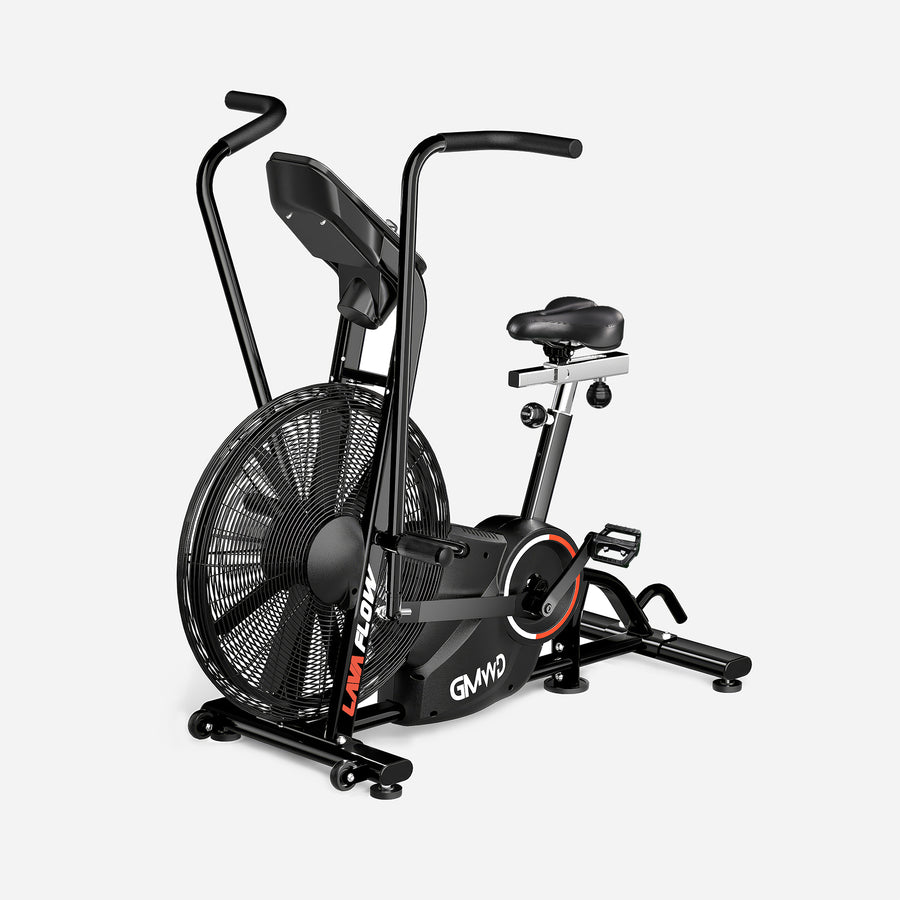
- Air Bike: A fan bike provides resistance that increases as you push harder, making it a simple option for short, intense intervals.
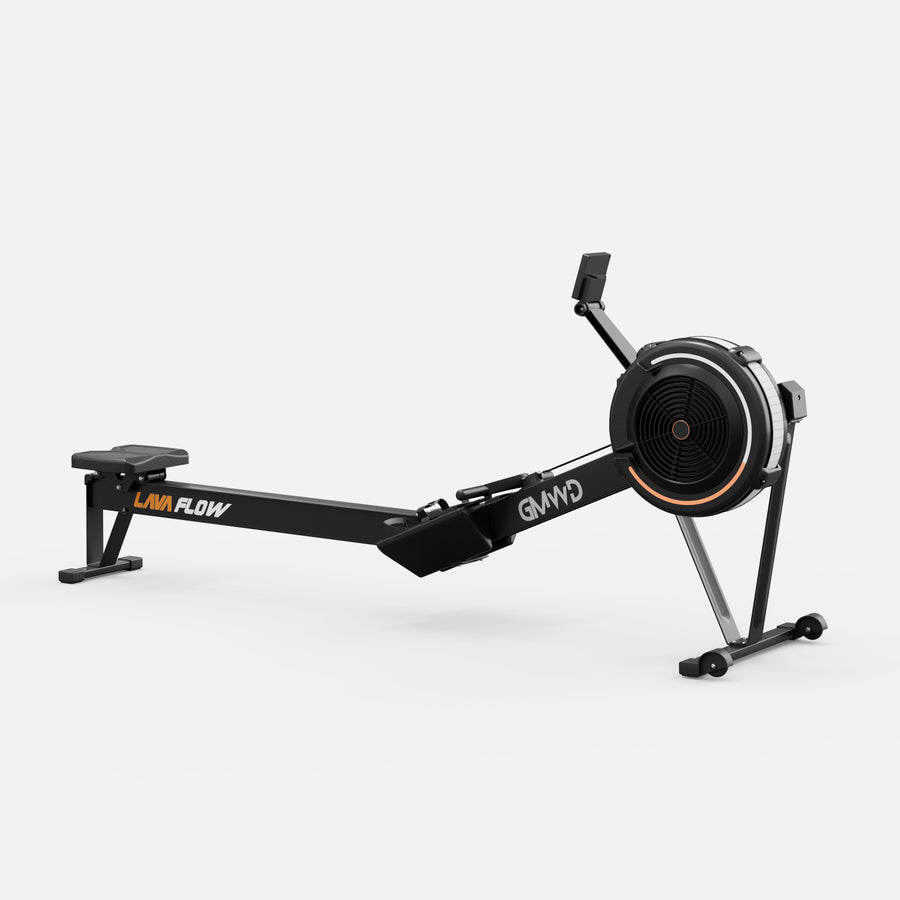
- Rowing Machine: Rowing combines upper- and lower-body movement while providing a low-impact cardio option.
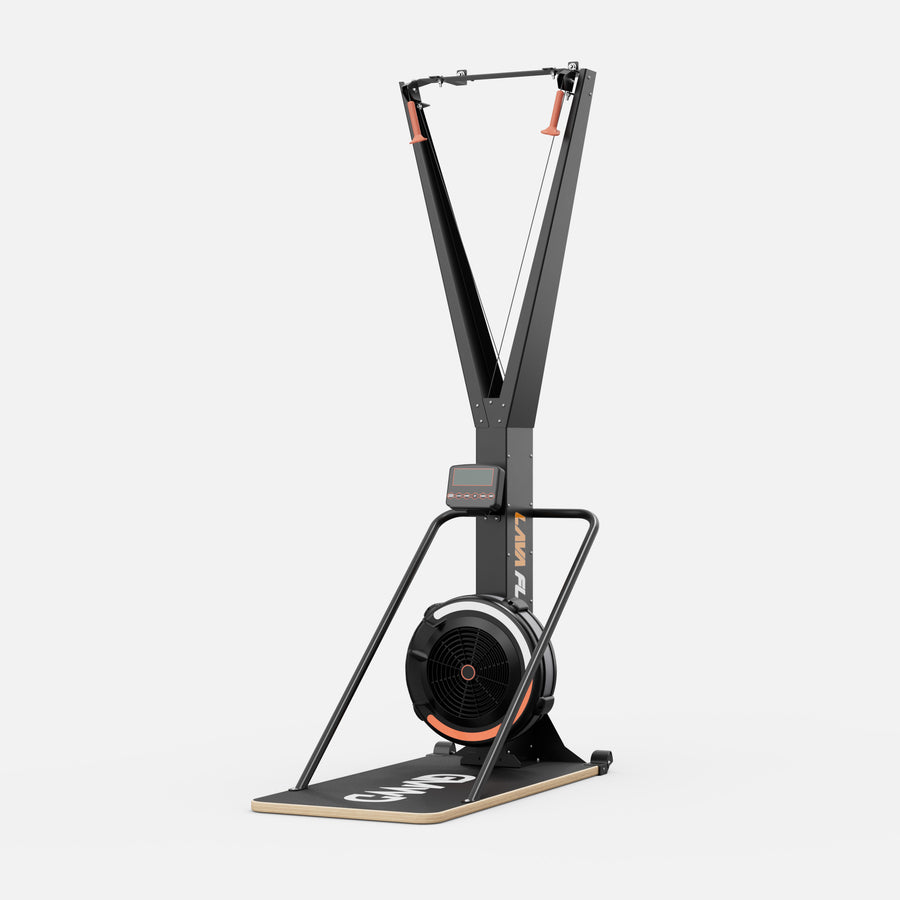
- Ski Trainer: A standing option that works the upper body, core, and lower body while keeping you off the seat.
The goal is not to sprint through every interval. Work at a challenging but manageable pace that allows you to maintain good form throughout the 12 minutes.
Phase 3: Lower-Body Strength — 12 Minutes
After cardio, shift your focus to the lower body.
Long hours of sitting can leave your hips and legs feeling stiff, while regular strength training can help build stronger quads and hamstrings.
For a quick home workout, pair:
Leg Extensions + Leg Curls
- 10–12 leg extensions
- Immediately followed by 10–12 leg curls
- Rest 45–60 seconds
- Repeat for 3 rounds
Choose a weight that challenges you while allowing you to maintain controlled form.
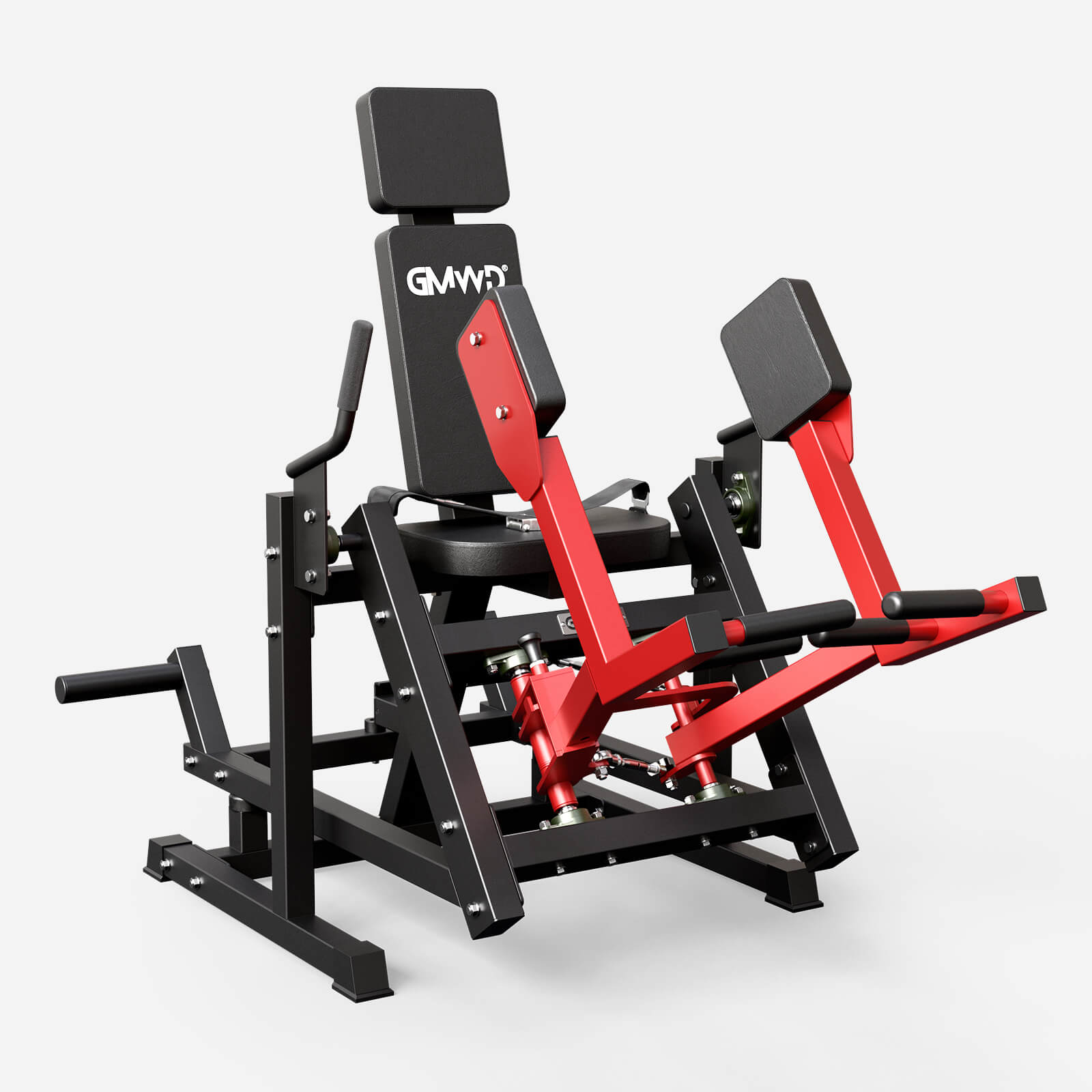
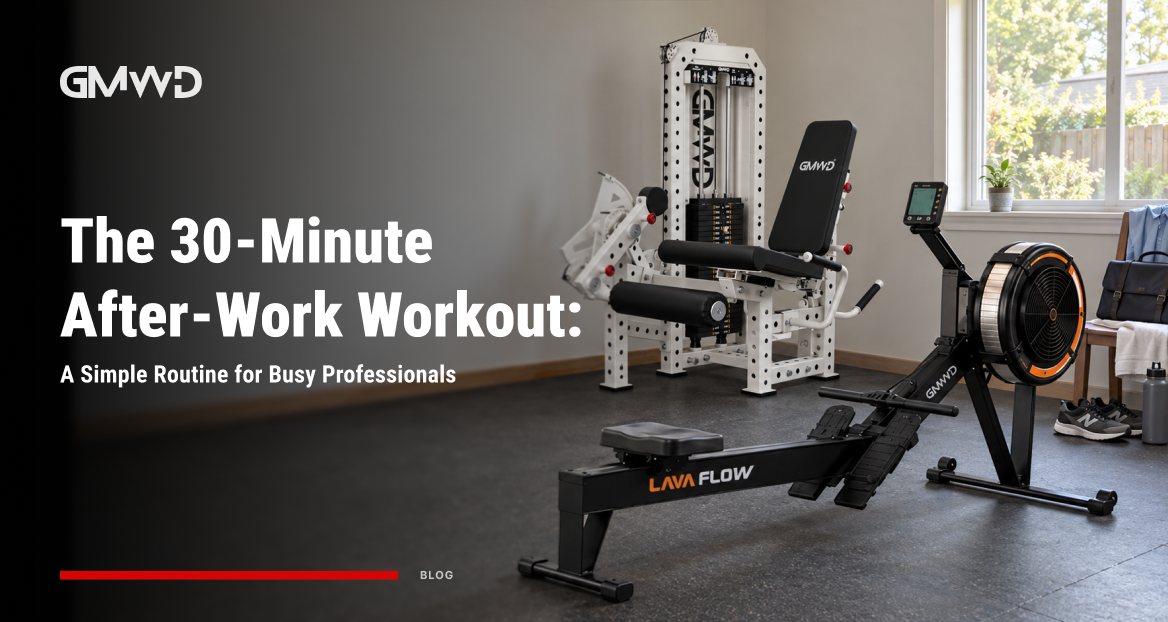
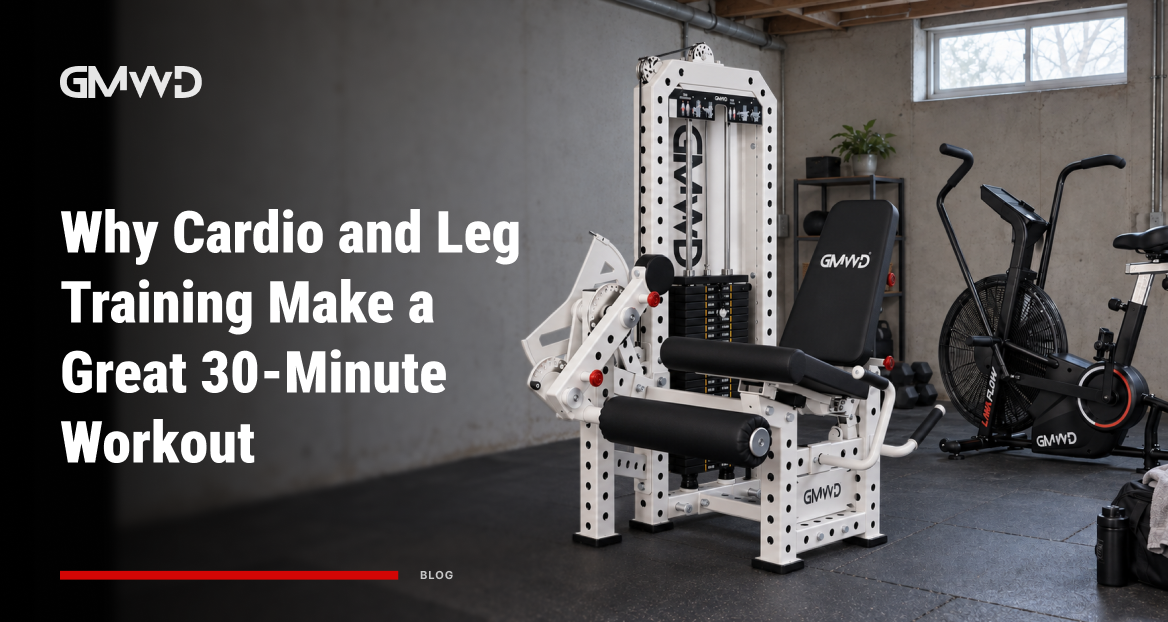
A dual-function leg extension and curl machine can make this type of workout especially convenient because you can switch between quad and hamstring exercises without moving between multiple pieces of equipment.
Phase 4: Cool-Down — 3 Minutes
Finish your workout by gradually bringing your heart rate down.
Use the final three minutes for:
- Gentle quad stretches
- Hamstring stretches
- Hip stretches
- Slow, deep breathing
You're done.
30 minutes. No commute. No waiting for equipment. No two-hour commitment.
Choosing the Right Equipment
The best equipment for a short workout is equipment that removes friction from your routine. If you have to spend 10 minutes setting up, a 30-minute session becomes much harder to stick with.
For Fast Full-Body Cardio
GMWD Air Bike AB01 — Adjustable resistance through fan-based airflow, well suited for interval-style workouts.
GMWD Rowing Machine RM02 — Combines upper- and lower-body movement in each stroke, useful for low-impact full-body conditioning.
GMWD Ski Trainer SK01 — Standing full-body conditioning option that takes up relatively little floor space.
For Quick Lower-Body Supersets
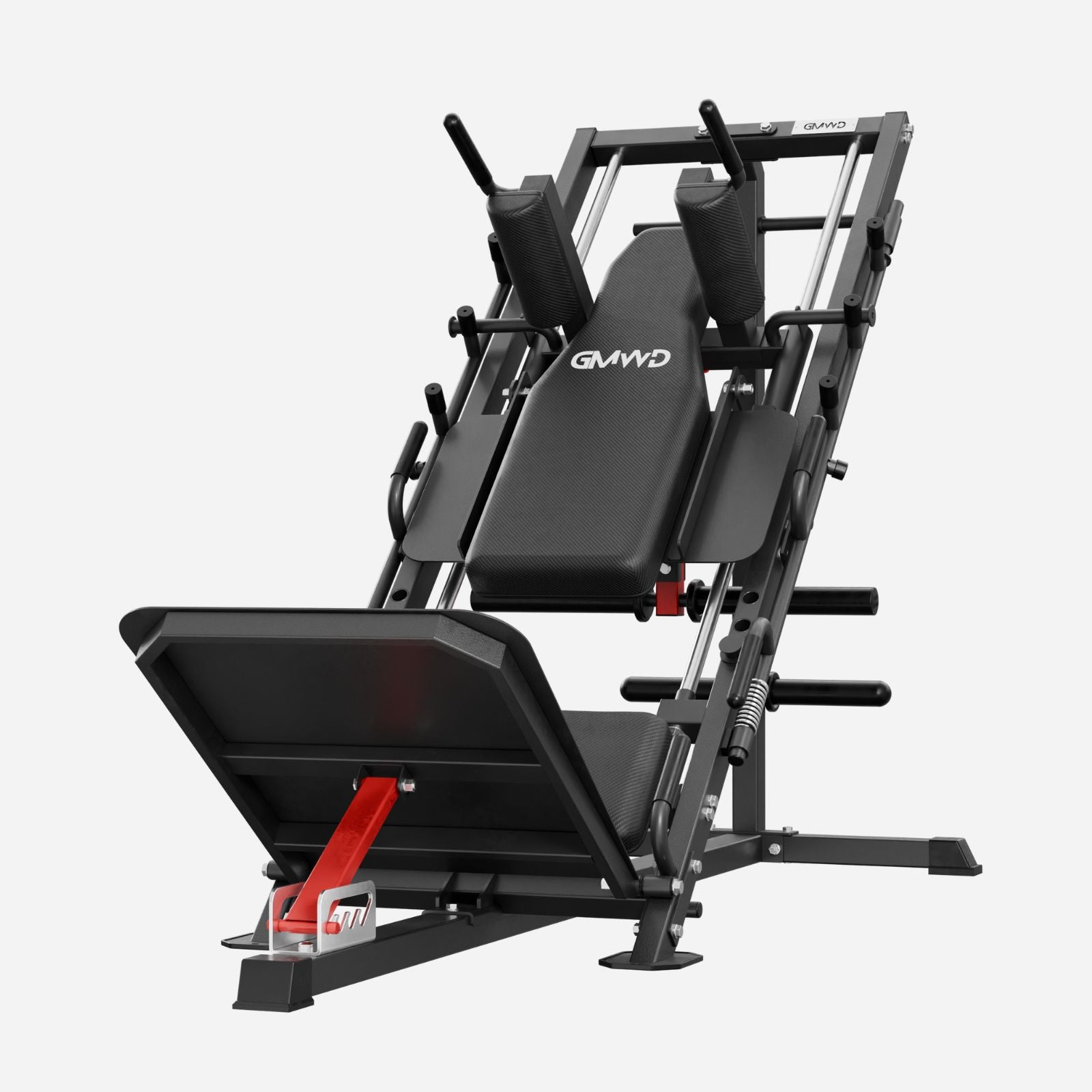
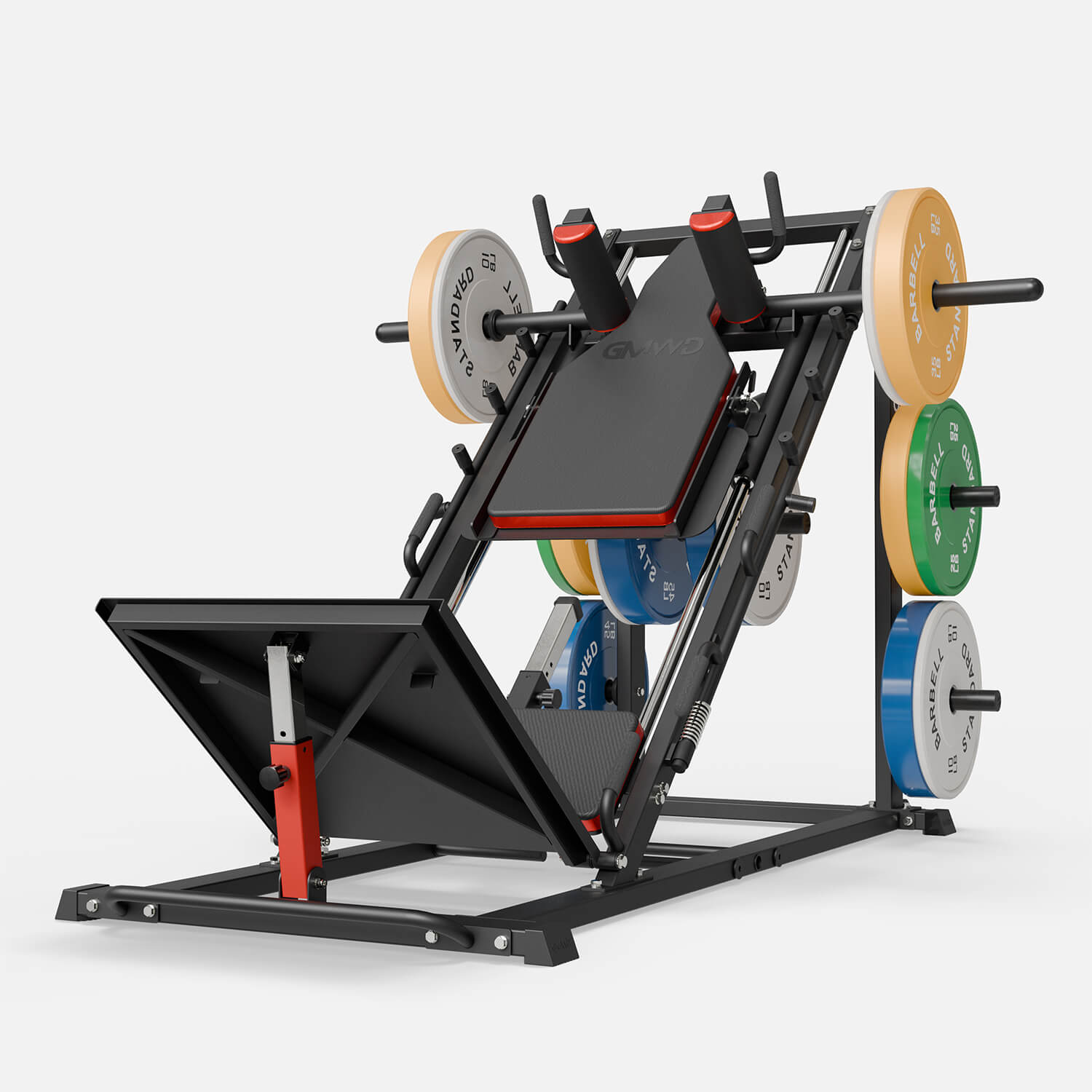
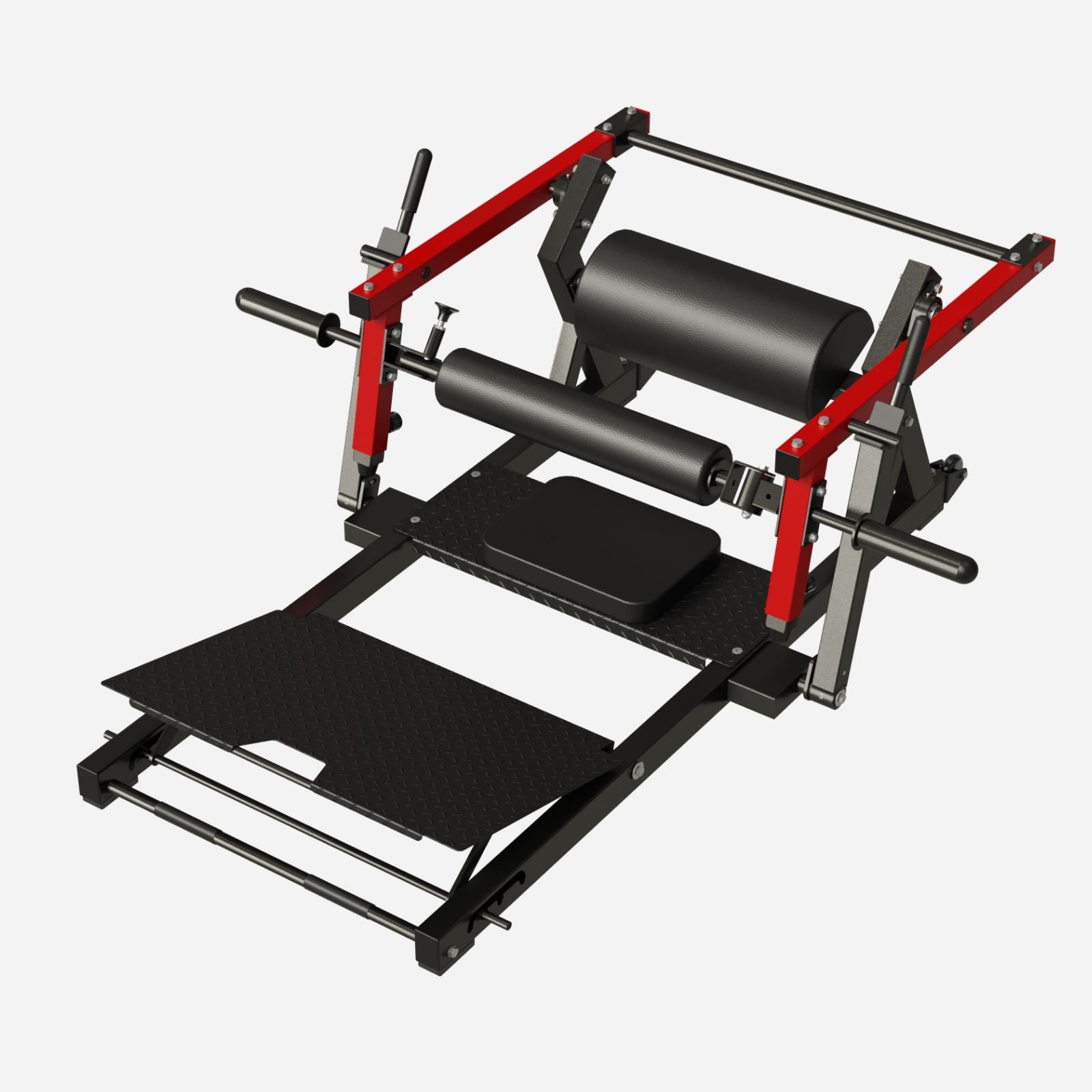
GMWD Leg Extension & Curl Machine Series — Train both quad and hamstring on the same machine, making short supersets easier without moving between stations.
How to Make It Stick
The hardest part of an after-work workout is often not the workout itself. It's getting started.
- Keep your equipment ready. Less friction between finishing work and starting your workout.
- Follow the same structure. Warm-up, cardio, strength, cool-down — repeatable and easy to start.
- Keep it short. A 30-minute session you can repeat several times a week is more sustainable than an occasional marathon workout.
- Focus on consistency. The goal isn't the hardest workout tonight. It's a routine you can continue next week, next month, and beyond.
Frequently Asked Questions
Yes. A well-structured 30-minute workout can provide meaningful cardiovascular and strength-training benefits, especially when performed consistently. The exact benefits depend on your training intensity, exercise selection, fitness level, and overall activity.
A simple option is 3 minutes of dynamic warm-up, 12 minutes of cardio intervals, 12 minutes of lower-body strength training, and 3 minutes of cool-down.
For many busy people, shorter and more frequent workouts can be easier to maintain. Consistency is important, so choosing a schedule that fits your lifestyle is often more useful than relying on one long weekend session.
It depends on your goals and preferences. An air bike is useful for intense intervals, a rowing machine provides low-impact full-body conditioning, and a ski trainer offers a standing full-body option.
Absolutely. One of the biggest advantages of this routine is that it can be performed in a home gym with a few pieces of equipment, eliminating the commute and waiting time associated with a commercial gym.
The Bottom Line
You don't need to spend your entire evening at the gym to stay consistent with your fitness goals.
A 30-minute after-work workout can give you enough time to warm up, get your heart rate up, train your lower body, and cool down before dinner.
The best workout is ultimately the one you can keep doing.
So when 5:30 PM rolls around, don't wait for the perfect two-hour window. Give yourself 30 minutes, get moving, and call it a win.
References
- Rosenkilde, M., et al. (2012). "Body fat loss and compensatory mechanisms in response to different doses of aerobic exercise—a randomized controlled trial in overweight sedentary males." American Journal of Physiology-Regulatory, Integrative and Comparative Physiology, 303(6), R571-R579.
- American College of Sports Medicine (ACSM). (2014). "High-Intensity Interval Training." ACSM's Health & Fitness Journal, 18(5), 4-6.
- Salmon, P. (2001). "Effects of physical exercise on anxiety, depression, and sensitivity to stress: a unifying theory." Clinical Psychology Review, 21(1), 33-61.
- Schoenfeld, B. J. (2010). "The mechanisms of muscle hypertrophy and their application to resistance training." The Journal of Strength & Conditioning Research, 24(10), 2857-2872.

Dejar un comentario
Todos los comentarios se revisan antes de su publicación.
Este sitio está protegido por hCaptcha y se aplican la Política de privacidad de hCaptcha y los Términos del servicio.