










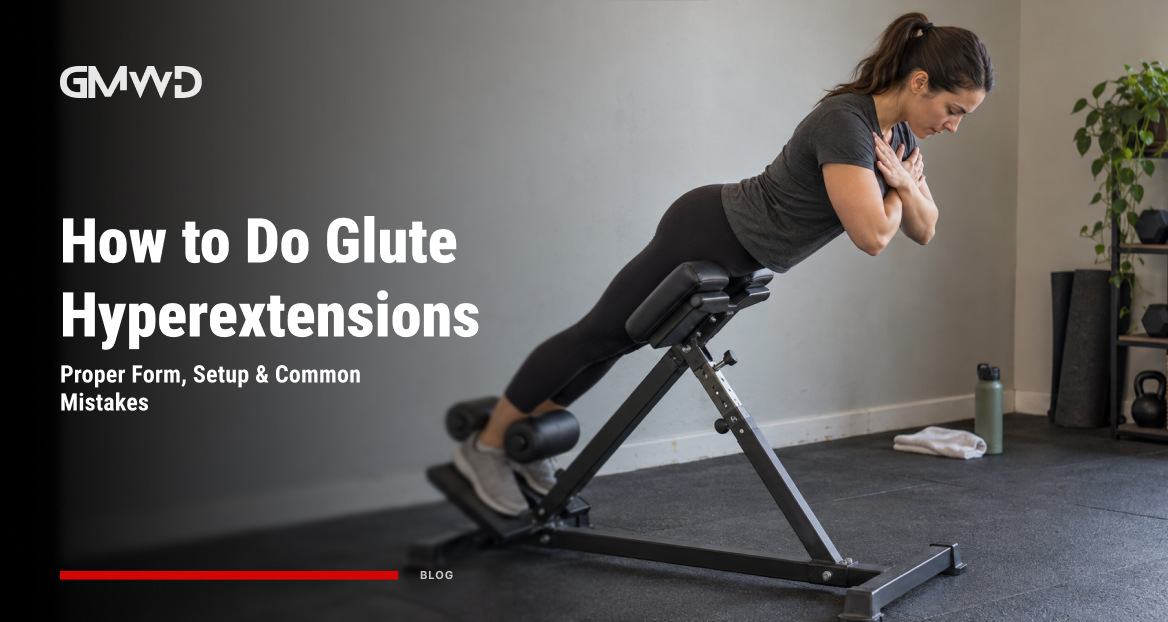
Most lifters who feel a glute extension primarily in their lower back are actually performing more of a spinal extension than a hip hinge. While both movements can be performed on a 45-degree bench, your setup and movement pattern determine which muscles do most of the work.
A glute-focused hyperextension trains hip extension while keeping the spine relatively stable. A back-dominant variation places more movement through the lumbar spine instead.
The key to targeting your glutes comes down to four things: setting the pad at the right height, hinging through your hips, controlling the descent, and finishing each rep without overextending your lower back.
Key Takeaways
- A glute-focused hyperextension moves primarily through the hips while keeping the spine neutral.
- Pad height, hip-hinge mechanics, and controlled range of motion matter more than how much weight you use.
- You should feel the movement primarily in your glutes and hamstrings, not as sharp or radiating pain in your lower back or legs.
What Muscles Do Glute Hyperextensions Work?
Glute hyperextensions primarily target the gluteus maximus, with the hamstrings and adductor magnus assisting during hip extension. Your spinal erectors also work throughout the exercise, but their primary role is to stabilize your torso.
The gluteus maximus is one of the body's primary hip extensors and contributes to movements such as sprinting, climbing, squatting, and deadlifting. Because the hamstrings cross both the hip and knee joints, they also contribute to hip extension when the knee remains relatively fixed.
Glute Extension vs. Back Extension
The terms glute extension, hyperextension, and back extension are often used interchangeably in gyms, but the movement emphasis can be different.
| Feature | Glute-Focused Hyperextension | Back Extension |
|---|---|---|
| Primary movement | Hip flexion and extension | Spinal extension |
| Main muscles | Glutes and hamstrings | Spinal erectors |
| Spine | Relatively neutral | Actively extends |
| Primary goal | Glute and posterior-chain development | Lower-back and erector endurance |
The simplest way to tell the difference is to watch where the movement comes from.
If your hips fold and extend while your torso stays relatively rigid, you're performing a hip hinge. If your spine repeatedly rounds and arches, you're relying more heavily on spinal movement.
Why Hip Hinging Changes the Emphasis
Hinging at the hips places more of the workload on the glutes and hamstrings because the movement is occurring primarily at the hip joint.
As you lower your torso, the glutes lengthen under tension. As you drive your hips forward, they contract to extend the hip and bring your torso back to the starting position.
If your spine becomes the main source of movement, your spinal erectors take on more of the workload. Both movement patterns can have a place in training, but the hip-hinge version is the better choice when your primary goal is emphasizing the glutes.
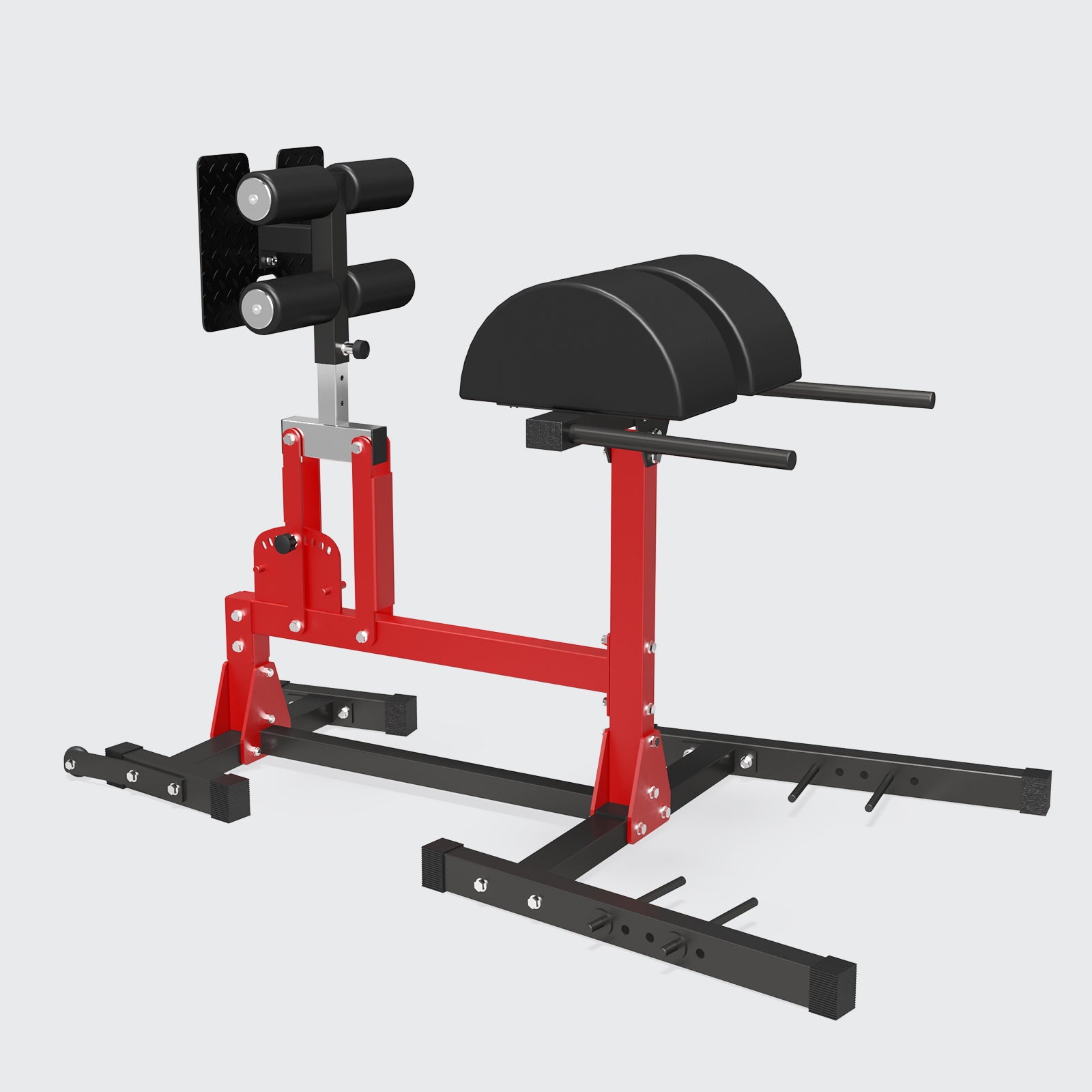
How to Set Up a 45-Degree Bench for Glute Focus
Your setup determines how freely your hips can move before you perform your first rep. The right pad height, foot position, and torso alignment help you hinge through the hips without turning the exercise into a lower-back movement.
Pad Height and Foot Placement
Start with the pad positioned slightly below your hip crease, typically around 2–3 inches, then adjust it based on your body proportions and mobility.
The goal is to give your hips enough room to flex and extend without the pad restricting your movement.
Place your feet firmly against the footplate with a soft bend in your knees. Avoid positions that feel cramped or prevent you from moving comfortably through your hips.
Before adding weight, perform a few bodyweight reps. If you cannot hinge forward without your lower back rounding excessively, adjust the pad height or reduce your range of motion.
Torso Position and Pelvic Control
Keep your pelvis relatively neutral throughout the movement. Avoid deliberately arching your lower back as you lower or raise your torso.
Brace your core lightly before each rep, similar to the setup you would use for a Romanian deadlift. Think about keeping your ribcage stacked over your pelvis while your hips do the moving.
Step-by-Step: How to Do a Glute Hyperextension
Follow these seven steps to keep the movement focused on your glutes:
- Set the pad: Position the pad slightly below your hip crease, starting around 2–3 inches as a reference point.
- Brace your core: Keep your spine neutral and your neck aligned with your torso.
- Hinge at the hips: Push your hips back and lower your torso under control.
- Find your range: Lower until you feel a controlled stretch through your glutes and hamstrings without your lower back rounding excessively.
- Drive your hips forward: Squeeze your glutes and extend your hips to raise your torso.
- Stop at neutral: Finish when your body forms a straight line rather than arching backward.
- Control the next rep: Pause briefly at the top, then begin the next controlled descent.
Fine-Tuning Your Form
Once you've learned the basic movement, focus on controlling each phase of the rep.
The Descent: Hinge Without Rounding Your Low Back
Fold forward from your hips while keeping your spine long and stable.
A useful cue is to imagine pushing your hips backward as your chest moves toward the floor, similar to the first part of a Romanian deadlift.
Lower only as far as you can maintain control. If your lower back begins to round significantly, you've likely reached the end of your useful range for that rep.
Your available range of motion will vary depending on your hip and hamstring mobility, so there is no need to force a deeper position simply to match someone else's technique.
The Ascent: Drive Hip Extension With Your Glutes
Reverse the movement by squeezing your glutes and driving your hips forward into the pad.
Avoid swinging your torso upward or using your lower back to finish the rep.
Think about bringing your hips underneath your torso, rather than lifting your chest as high as possible.
A brief pause at the top can help reinforce control and make it easier to feel the glutes doing the work.
Where Should You Finish Each Rep?
Finish when your shoulders, hips, and legs form a relatively straight line.
You do not need to lean backward beyond this position.
Continuing into an exaggerated lumbar arch increases spinal extension without giving you a meaningful increase in hip-extension range. For a glute-focused variation, stopping at neutral is generally the more useful target.
How to Program Glute Hyperextensions
Glute hyperextensions work well as an accessory movement after larger lower-body exercises such as squats, deadlifts, or hip thrusts.
For most lifters, 2–3 sets of 8–15 controlled reps is a practical starting point. Choose a load that allows you to maintain your hip-hinge mechanics throughout the set.
Progressive Overload and Tempo
Start with bodyweight until you can consistently perform clean, controlled repetitions.
Once bodyweight sets become comfortable, add a light dumbbell or weight plate held close to your chest. Increase the load gradually rather than sacrificing range of motion or spinal position to move more weight.
You can also make the exercise more challenging without adding much weight by slowing down the eccentric phase.
Try a 3-second lowering phase, followed by a controlled reversal and a brief glute squeeze at the top.
| Experience Level | Loading Strategy | Rep Range | Primary Focus |
|---|---|---|---|
| Beginner | Bodyweight | 12–20 | Hinge mechanics and control |
| Intermediate | Dumbbell or plate | 10–15 | Glute hypertrophy |
| Advanced | Heavier plate or barbell | 6–12 | Strength and progressive loading |
| Tempo variation | Bodyweight or light load | 8–15 | Control and time under tension |
Want to Train Your Glutes Beyond Hyperextensions?
Hyperextensions are useful, but they don't have to be the only hip-extension movement in your lower-body routine.
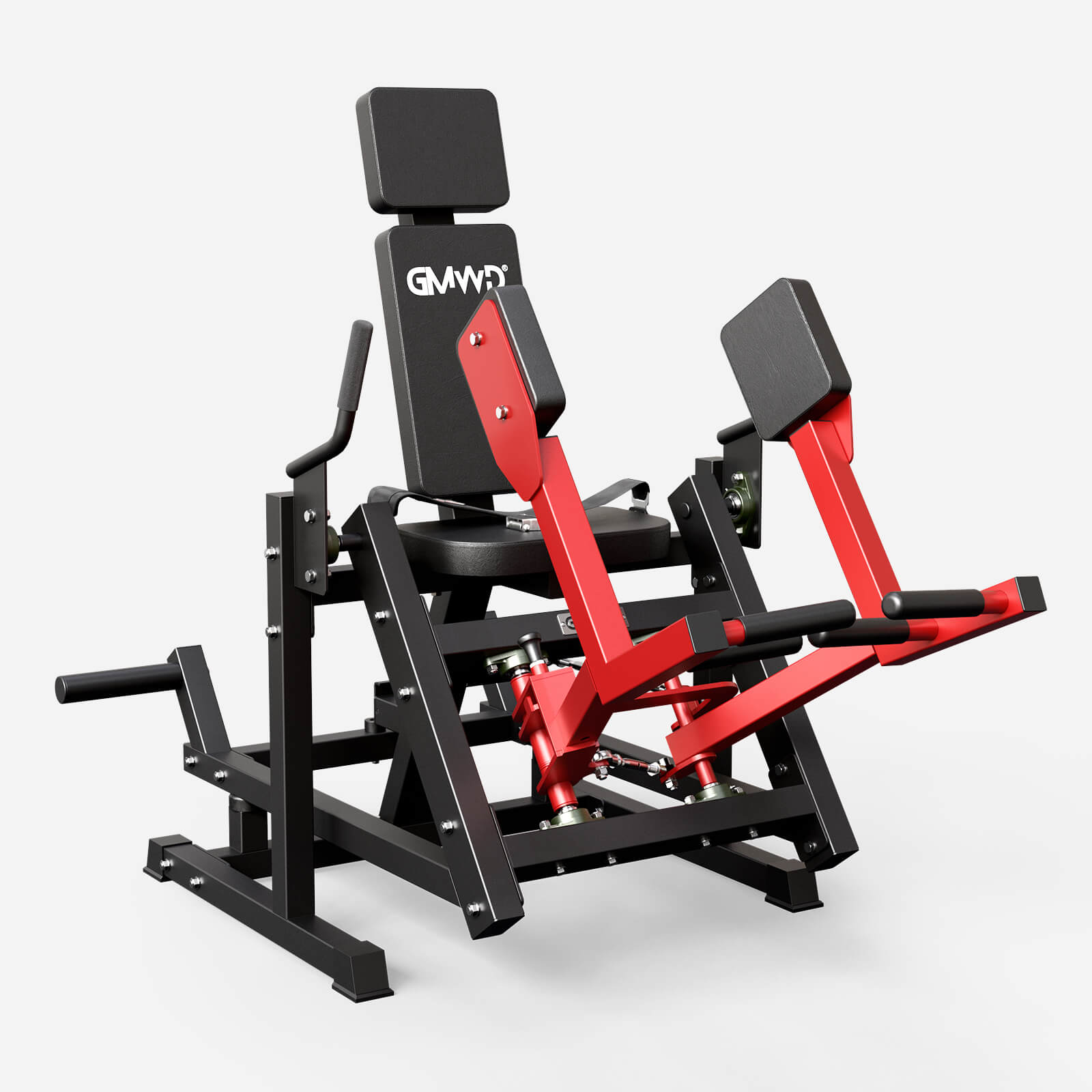
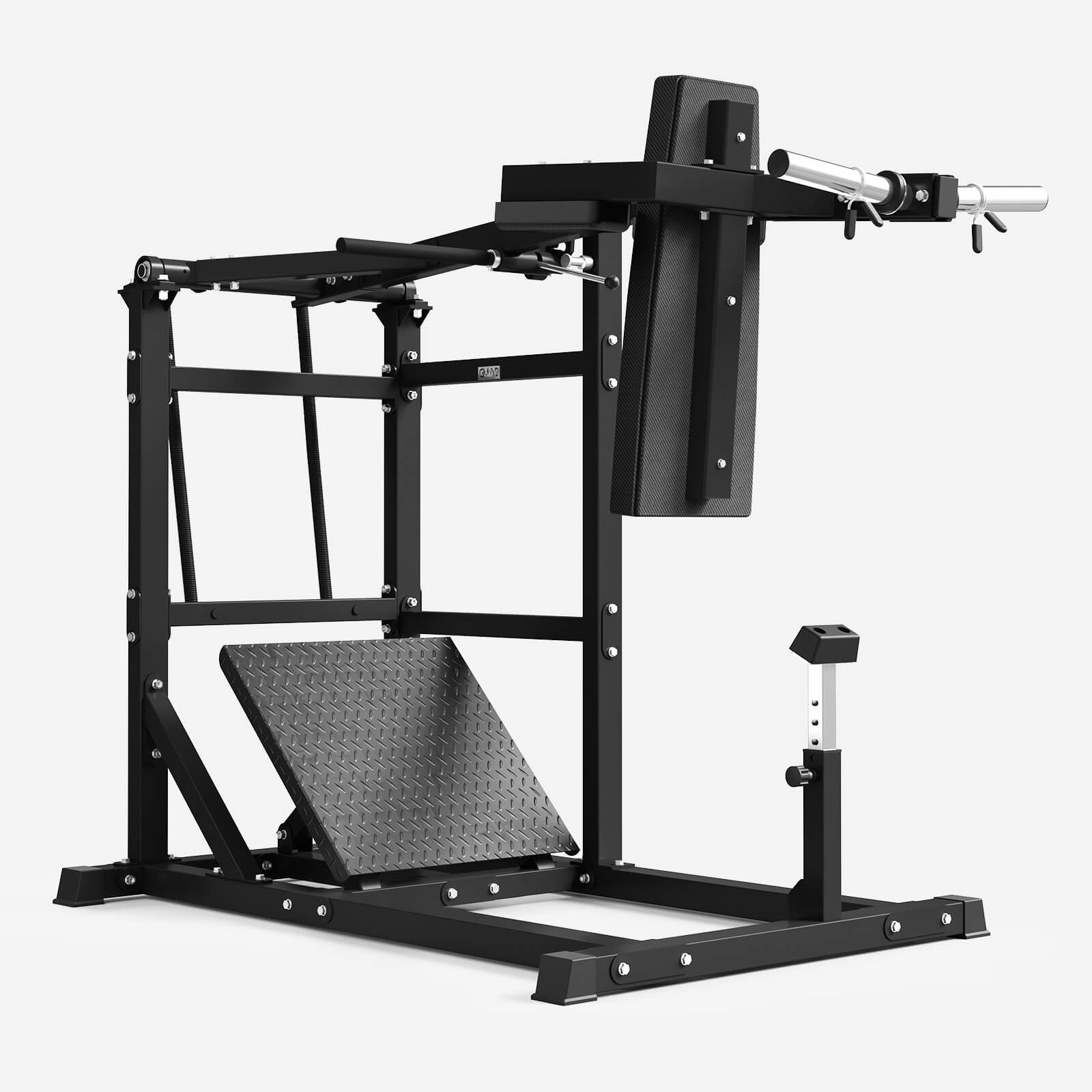
For example, the plate loaded kickback glute machine gives you a more isolated hip-extension movement, while a hip abduction machine adds lateral hip work for the gluteus medius.
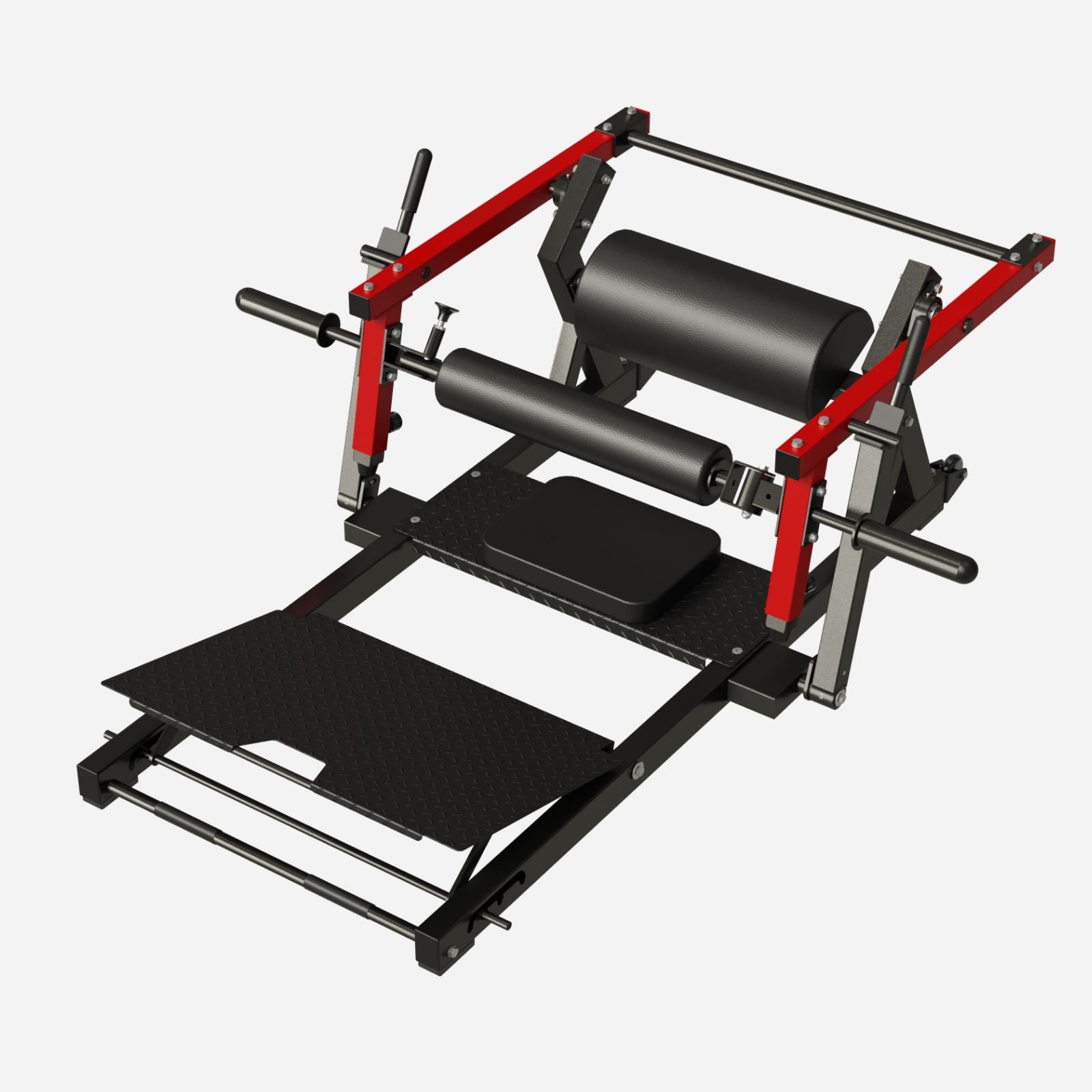
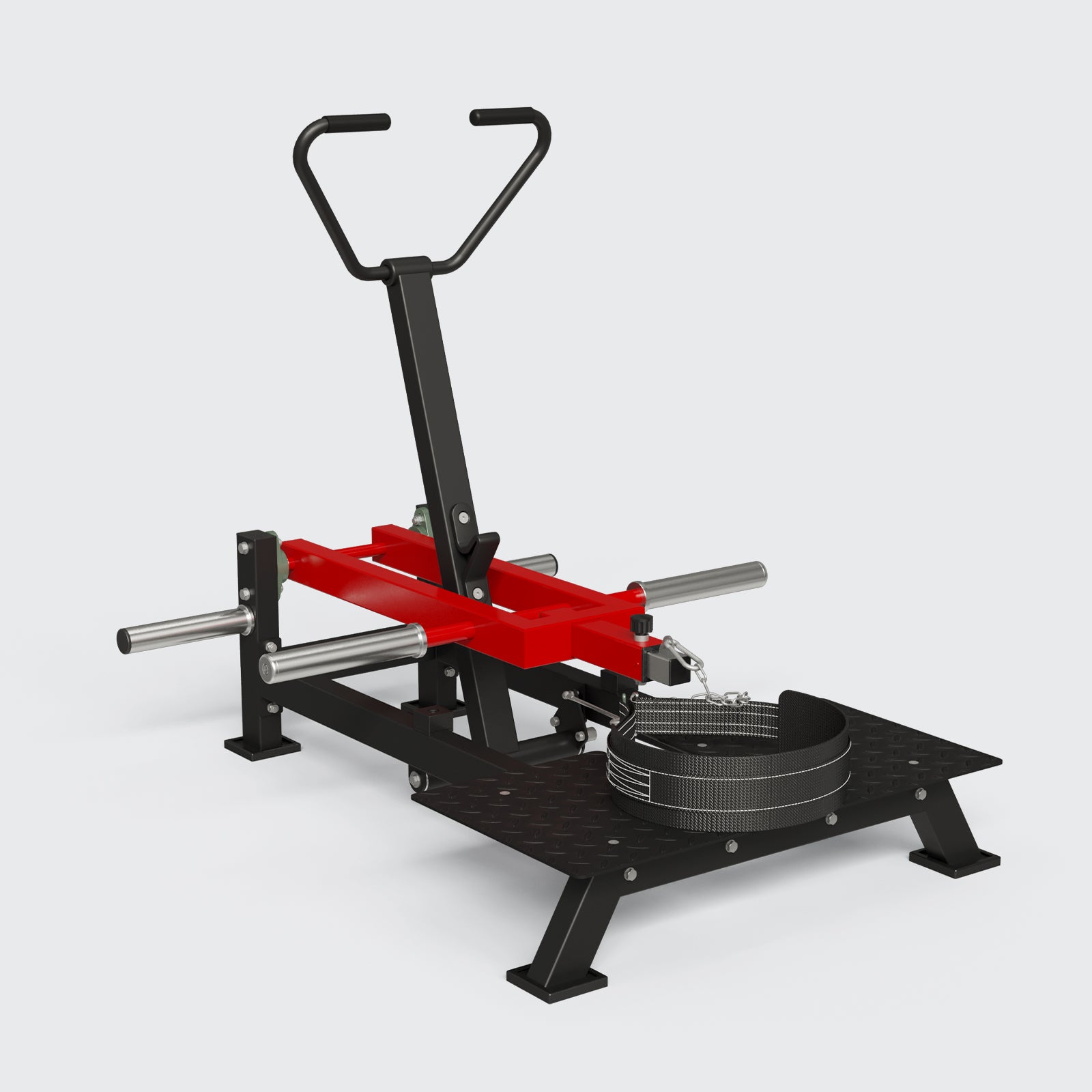
For a heavier horizontal hip-extension movement, the Nautilus Glute Drive provides a dedicated setup for progressive hip-thrust training.
Together, these movements can give your lower-body training more variety than relying on a single glute exercise.
Common Mistakes, Pain Signals, and Alternatives
The most common problem with glute-focused hyperextensions is losing the hip hinge and allowing the spine to become the primary source of movement.
1. Overextending at the Top
You don't need to lean backward to make the exercise more effective.
Stop when your body reaches a straight line. An exaggerated arch primarily adds lumbar extension rather than useful hip-extension range.
2. Rounding Your Lower Back at the Bottom
A deeper range isn't automatically better.
If your lower back begins to round as you descend, shorten your range until you can maintain better control. Your ideal range depends on your individual mobility and bench setup.
3. Using Momentum
Avoid bouncing out of the bottom or swinging your torso upward.
A controlled descent and smooth hip-driven ascent keep the target muscles under tension and make it easier to identify when your form starts to break down.
4. Looking Up During the Movement
Keep your neck aligned with your torso rather than craning your head upward.
Your head should move naturally with your upper body while your hips control the exercise.
When Should You Stop?
A muscular stretch or burn in the glutes and hamstrings can be a normal part of training.
Sharp, pinching, shooting, or radiating pain is different. Stop the exercise if you experience these symptoms, particularly if discomfort travels into your legs.
If discomfort continues after modifying your range or reducing the load, consider getting guidance from a qualified healthcare professional before returning to the exercise.
Glute Hyperextension Alternatives
Don't have a 45-degree bench? You can still train the same general hip-extension pattern.
Glute bridges and single-leg hip thrusts can be performed on the floor with little or no equipment.
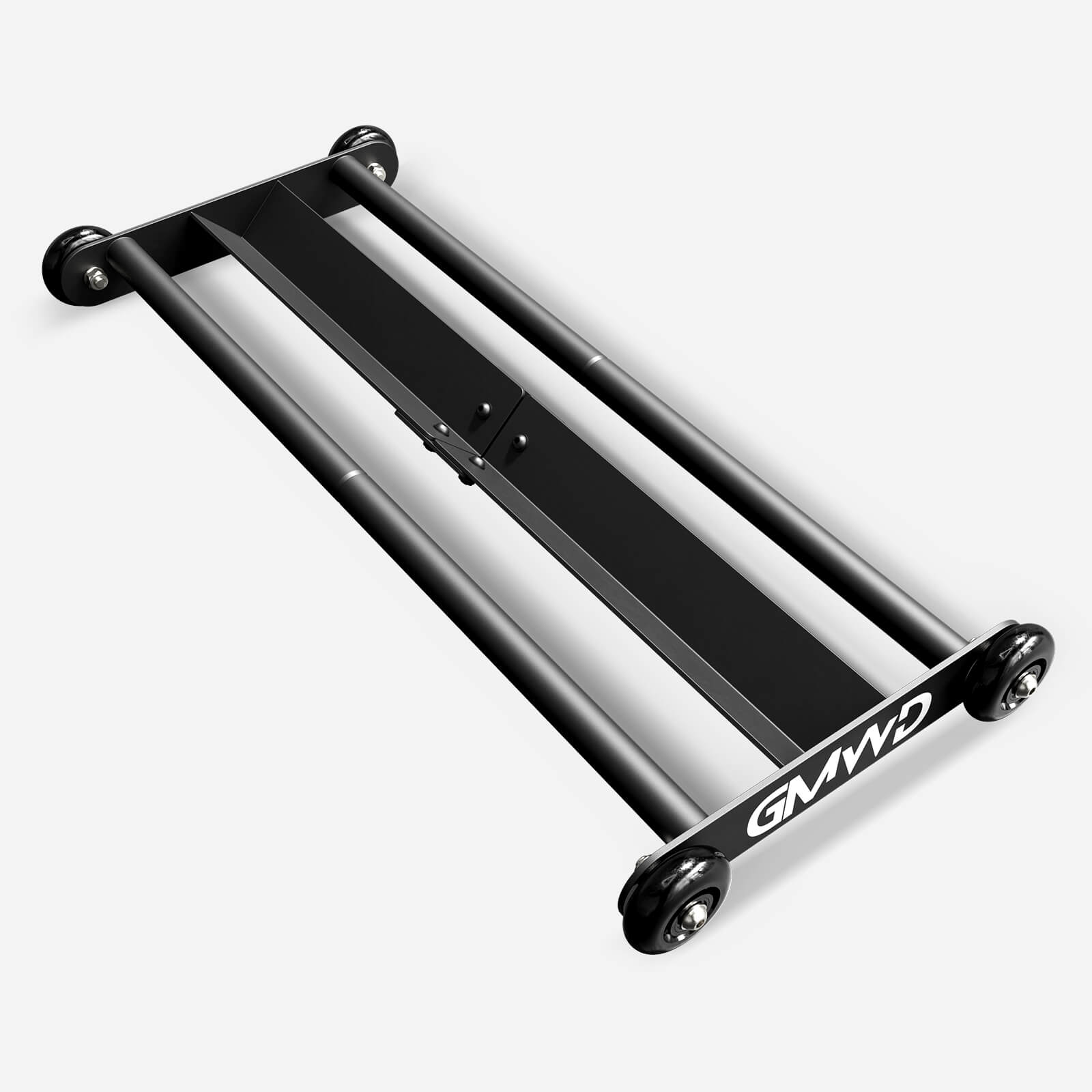
In a gym, a glute ham glider provides another way to challenge the posterior chain.
For a more isolated single-leg movement, standing cable kickbacks paired with a cable kickback attachment are another practical option.
Frequently Asked Questions
Are Hyperextensions Good for Glutes?
Yes. When performed with a hip-dominant technique, hyperextensions can effectively train the gluteus maximus along with the hamstrings and other hip extensors.
Should I Feel Hyperextensions in My Glutes or Lower Back?
You should generally feel the movement primarily in your glutes and hamstrings during a glute-focused variation. Your lower-back muscles still work to stabilize your spine, but they shouldn't be the main muscles driving the movement.
How High Should I Go on Glute Hyperextensions?
Stop when your torso reaches a straight line with your hips and legs. There is no need to arch backward beyond neutral to make the glutes work harder.
How Often Should I Do Glute Hyperextensions?
The ideal frequency depends on your overall training volume, intensity, and recovery. For most lifters, 2–3 sessions per week can work well when the exercise is treated as an accessory movement and total lower-body volume is managed appropriately.
What Is the Difference Between a Glute Hyperextension and a Back Extension?
A glute-focused hyperextension emphasizes movement at the hip while keeping the spine relatively neutral. A traditional back extension places more emphasis on spinal extension and the spinal erectors.
What Can I Do Instead of Hyperextensions?
Good alternatives include Romanian deadlifts, hip thrusts, glute bridges, cable pull-throughs, and standing cable kickbacks. The best choice depends on whether you want to emphasize overall posterior-chain strength, hip extension, or more isolated glute work.


Dejar un comentario
Todos los comentarios se revisan antes de su publicación.
Este sitio está protegido por hCaptcha y se aplican la Política de privacidad de hCaptcha y los Términos del servicio.