










Building a home gym is easily one of the highest-return investments you can make for your physical health, mental energy, and daily routine. But for most busy professionals, space and budget are real constraints. You don't have room for a 2,000-square-foot commercial layout, nor do you want a garage full of single-use, dust-collecting machines.
When outfitting a high-efficiency home gym, two training modalities deliver the absolute biggest bang for your buck: cardiovascular conditioning and lower-body strength training.
Cardio elevates your daily caloric burn, improves heart health, and shakes off workday stress. Leg training targets your body's largest muscle groups—the quads, hamstrings, and glutes—to rebuild functional strength weakened by eight hours in an office chair.
Here is a practical, science-backed guide to choosing the best, space-saving home gym setup for cardio and leg day—and how to layout your gear for rapid 30-minute sessions.
What Makes a Great Home Gym Setup? (The 2 Core Principles)
Before buying equipment, it's easy to get overwhelmed by massive multi-station rigs. The most successful home gym setups follow three simple rules:
Zero-Friction Setup: If an exercise requires 10 minutes of changing cable attachments or moving heavy plates around, you're going to skip it after a exhausting 9-to-5. Your equipment must be "plug-and-play".
Compact Footprint & High Versatility: Home gear needs to maximize every square foot of floor space without compromising structural stability or commercial-grade biomechanics.
High Output, Low Joint Impact: Cardio tools should spike your heart rate fast without pounding your knees, while leg gear should isolate target muscles safely without requiring a spotter.
Step 1: Select Your Primary Cardio Anchor
A great home cardio machine should activate large muscle groups, offer instant resistance, and seamlessly support both high-intensity interval training (HIIT) and low-intensity steady-state (LISS) cardio.
Depending on your training preferences and available floor space, pick one core cardio anchor:
Option A: Fan-Based Air Bikes (The Maximum Calorie Crusher)
- Why It Works: Air bikes utilize dynamic fan resistance—the harder you push, pull, and pedal, the greater the resistance. They force your upper and lower body to work together, making them unmatched for 10-to-15-minute interval blocks.
- Featured Solution: The GMWD Air Bike AB01 offers dynamic fan airflow, micro-adjustable seating for optimal hip alignment, and a heavy-duty steel frame that remains rock-solid during all-out sprints.
Option B: Rowing Machines (Posture & Posterior Chain)
- Why It Works: Rowing recruits roughly 86% of total muscle mass per stroke. It opens up tight hip flexors while building back strength, helping reverse the dreaded "desk hunch".
- Featured Solution: The GMWD Rowing Machine RM02 delivers a smooth, low-impact stroke that protects your knees and back while easily storing away when your session ends.
Option C: Ski Ergometers (Standing Core & Conditioning)
- Why It Works: If you want to get completely out of a seated position after work, a ski trainer targets your core, lats, triceps, and glutes through an explosive downward pulling movement.
- Featured Solution: The GMWD Ski Trainer SK01 provides an intense full-body cardio workout while taking up minimal vertical and floor space in a garage or spare room.
Step 2: Choose Your Lower-Body Strength Workhorse
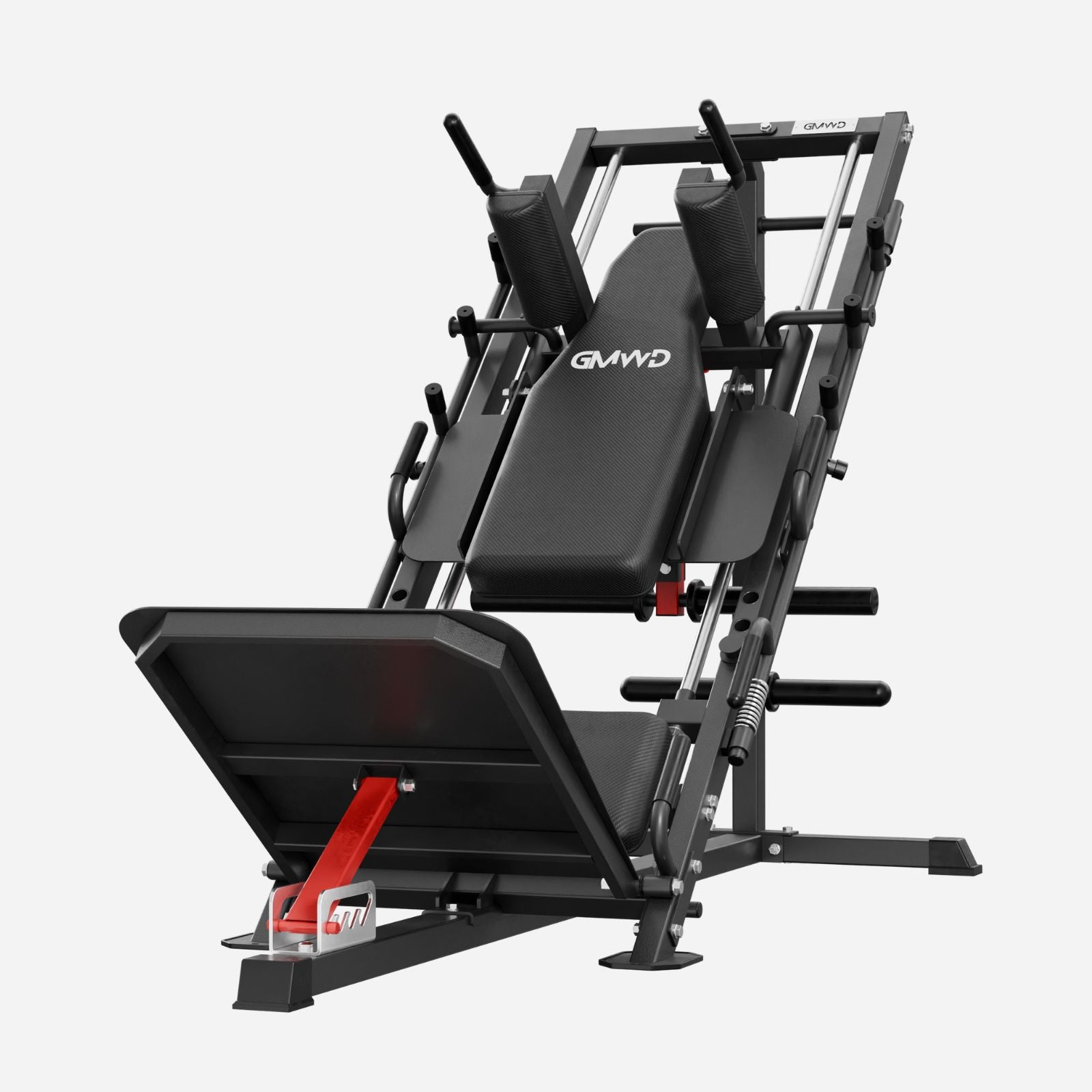
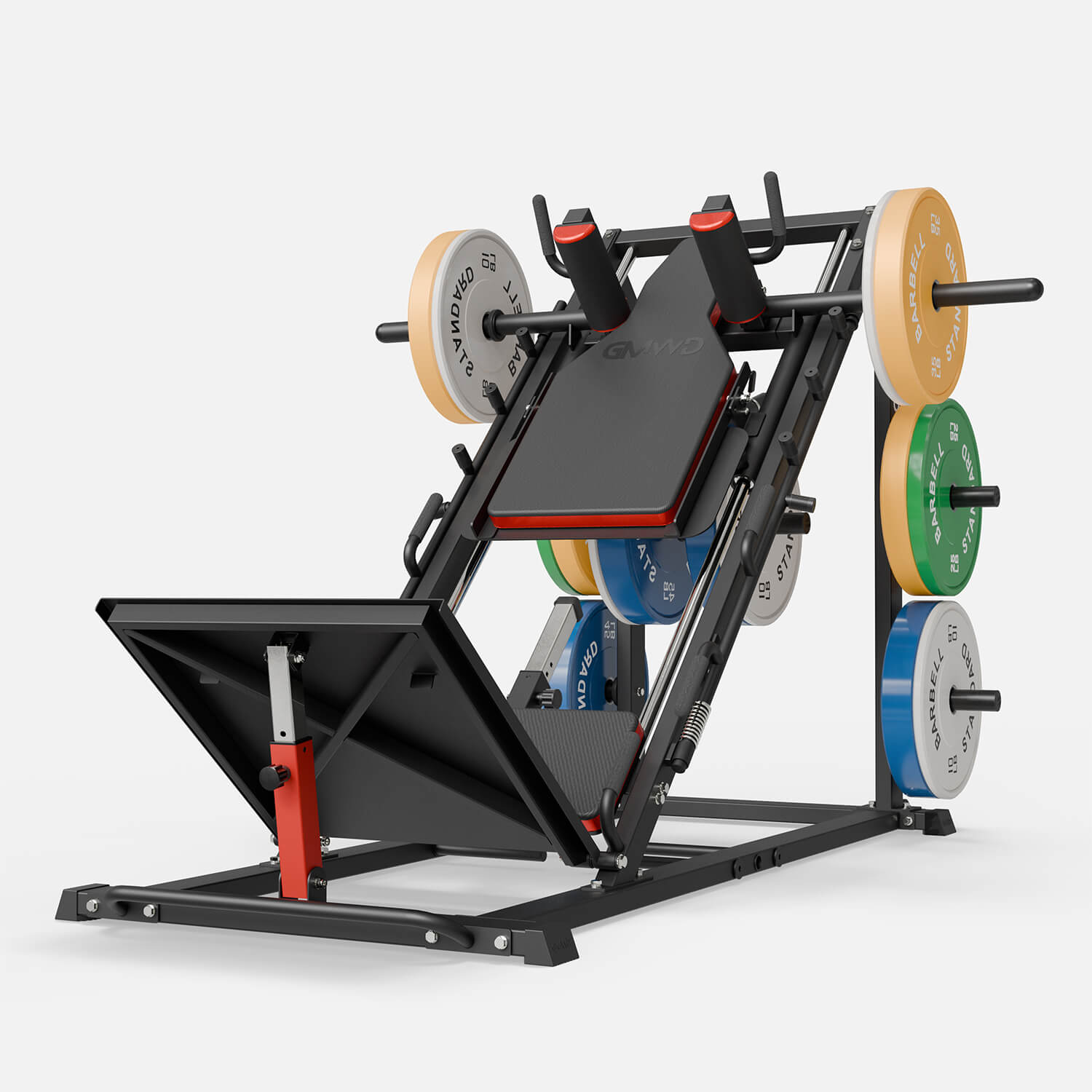
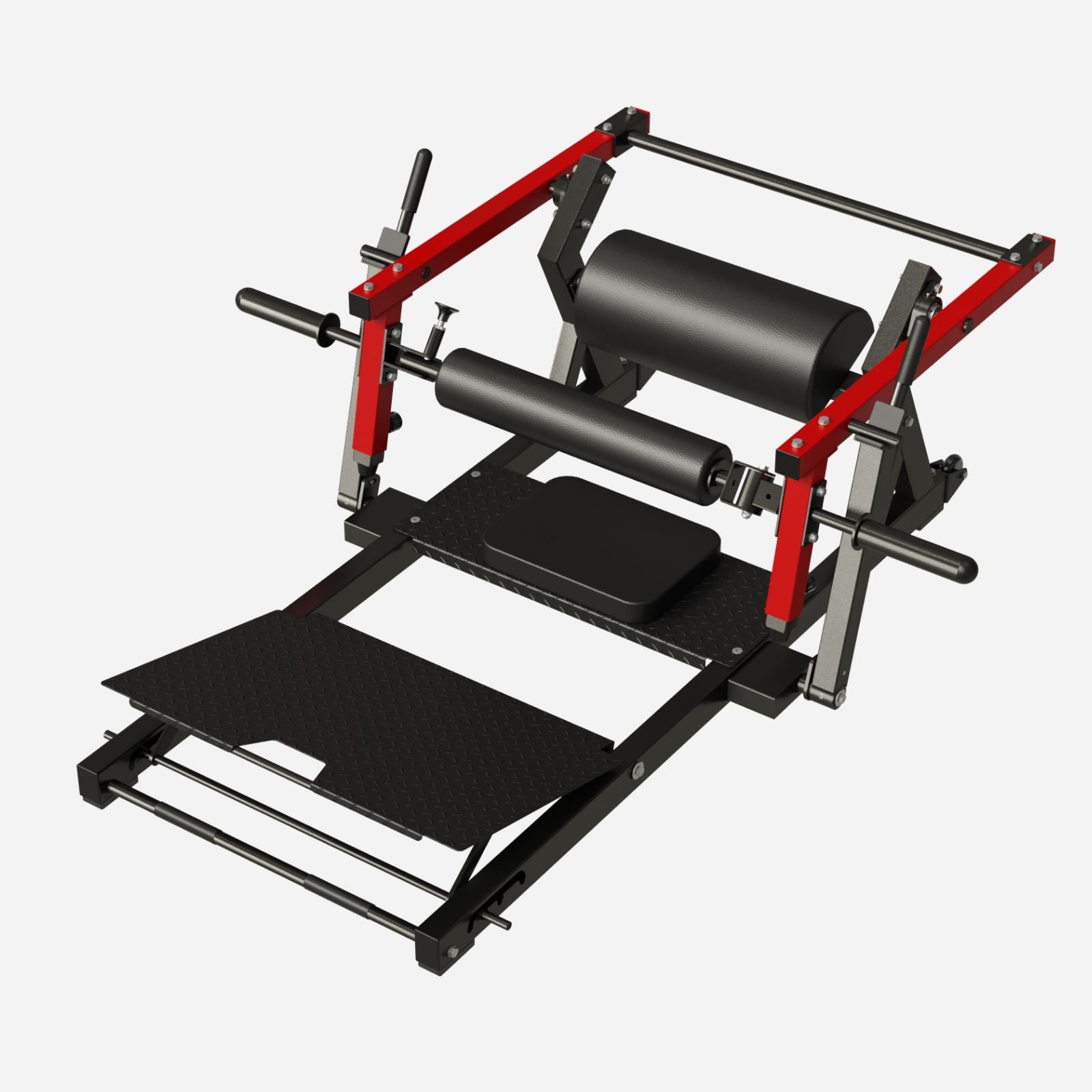
In a commercial gym, leg day usually involves jumping between squat racks, leg press sleds, extension benches, and hamstring curl machines. At home, you need a single dedicated setup that hits the quadriceps and hamstrings safely and effectively.
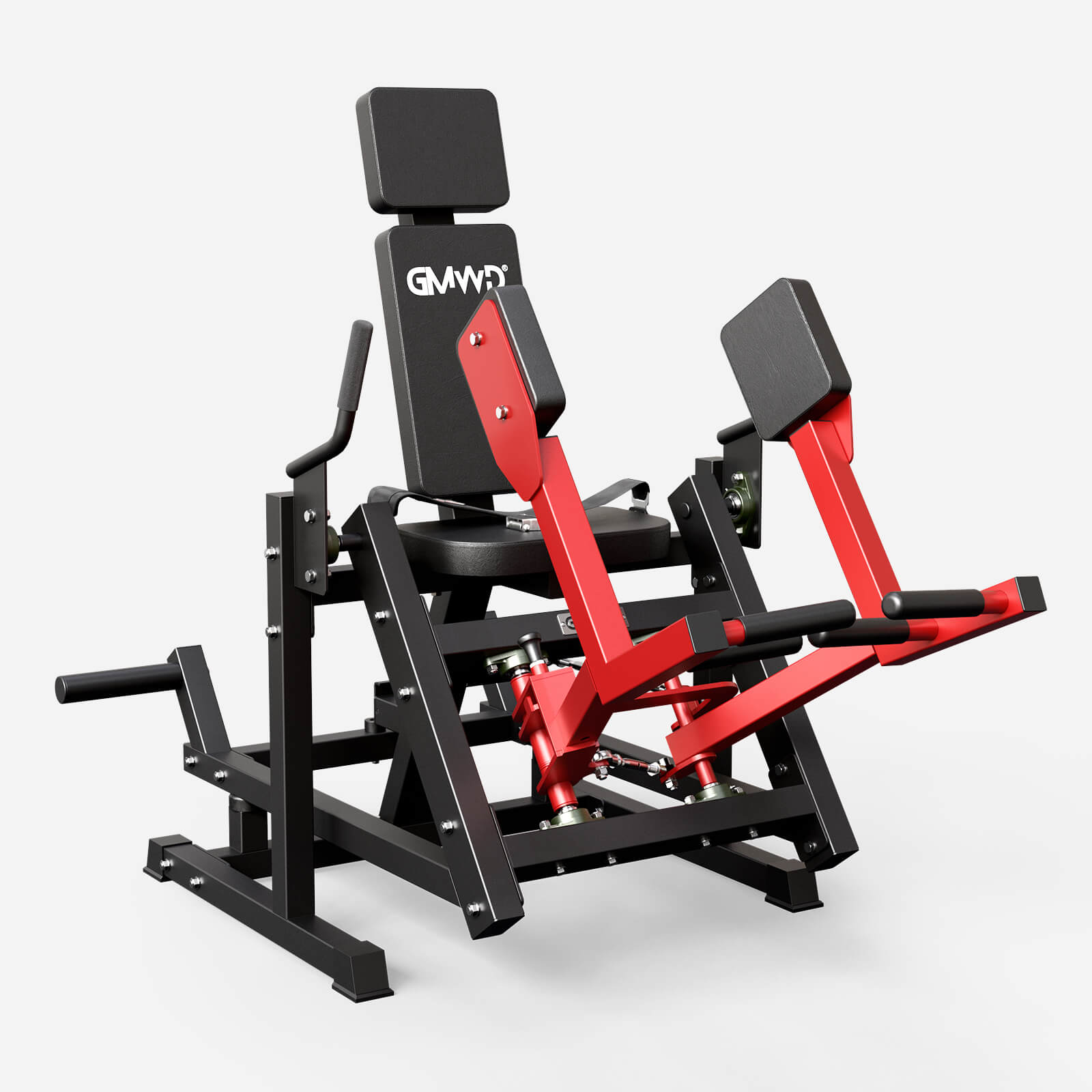
Dual-Function Leg Extension & Leg Curl Machines
- Space-Saving Efficiency: Instead of buying two bulky single-purpose units, a dual-function machine isolates both the front (quads) and back (hamstrings) of your legs on the exact same footprint.
- Seamless Supersets: Moving directly from 10–12 Leg Extensions into 10–12 Leg Curls creates a dense strength block without wasting time changing stations or reloading heavy barbell plates.
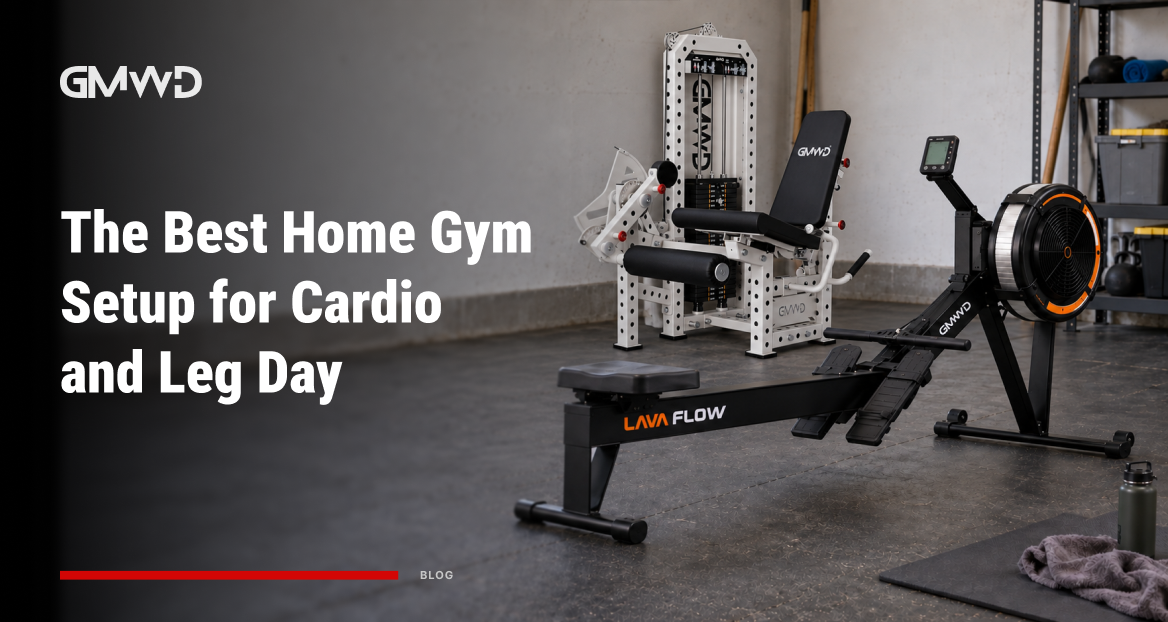
- Featured Solution: The GMWD Leg Extension & Curl Machine Series features commercial-grade high-density padding, smooth resistance, and quick pop-pin adjustments so you can switch exercises in under five seconds.
Designing Your 30-Minute After-Work Floor Plan
Having great equipment is only half the battle; arranging your space for zero friction is what keeps you consistent.
The 30-Minute Game Plan:
Frequently Asked Questions
How much floor space do I actually need for this setup?
You can comfortably build a complete cardio and leg setup in a 6' x 8' area (approx. 48 sq. ft.). Placing your cardio machine parallel to your leg extension/curl machine leaves plenty of room for warm-ups without feeling cramped.
Is a leg machine better than a heavy barbell squat rack for home use?
For busy professionals short on time, a leg extension and curl machine is often safer and more practical. It isolates major leg muscles directly without putting heavy axial loading on your spine or requiring a spotter when you are mentally fatigued after work.
Can I really get a good workout with only two main pieces of gear?
Yes. Consistency and effort drive fitness gains, not machine variety. Pairing a full-body cardio machine with a dual-function lower-body machine covers cardiovascular conditioning, stamina, and target leg strength in one focused 30-minute block.
Bottom Line: Eliminate Friction & Own Your Evenings
Building an effective home gym isn't about collecting endless gear—it's about choosing high-yield equipment that fits your space and removes friction from your daily routine.
By pairing a dynamic cardio anchor with a space-saving leg machine, you can turn 30 spare minutes after work into a sustainable, lifetime habit.
Ready to build your space-efficient setup? Explore the full lineup of commercial-grade home fitness equipment at GMWD Fitness today.

Dejar un comentario
Todos los comentarios se revisan antes de su publicación.
Este sitio está protegido por hCaptcha y se aplican la Política de privacidad de hCaptcha y los Términos del servicio.