











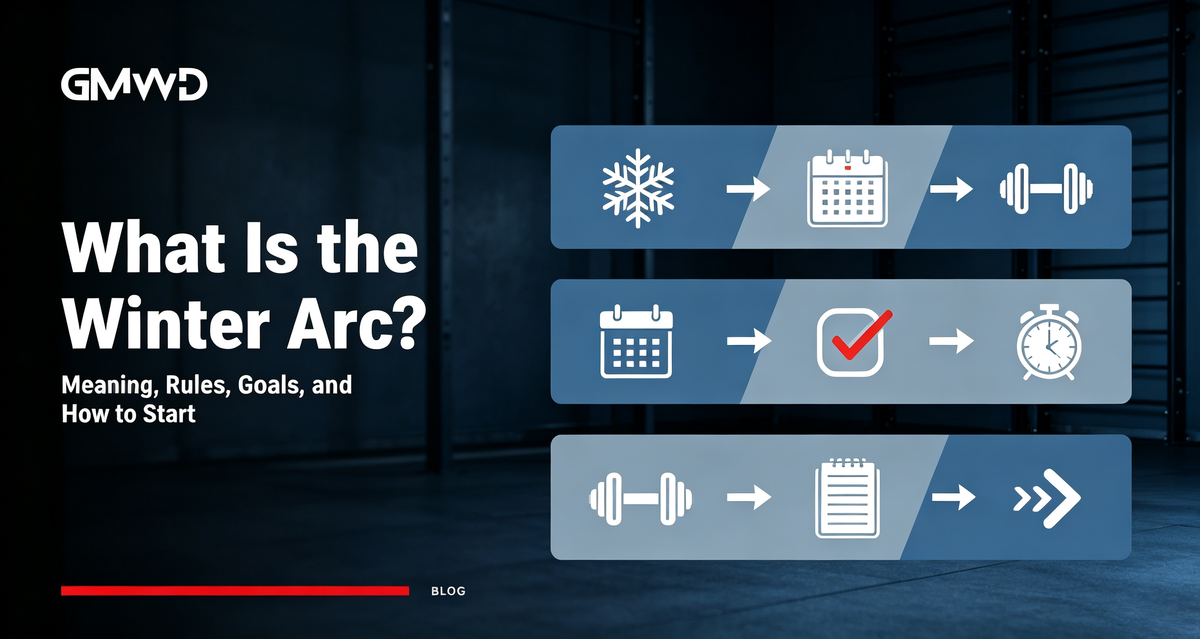
If you've spent any time on fitness TikTok or Instagram, you've probably seen people talking about their Winter Arc.
The idea is simple: instead of waiting until January 1 to start working on your goals, you use the final months of the year to build better habits, get stronger, and enter the new year with momentum already behind you.
But the Winter Arc isn't an official fitness program, and there isn't one universal set of rules. It's better understood as a seasonal challenge or mindset that gives people a reason to take their goals seriously before the new year.
Here's what the Winter Arc means, how it typically works, and how to build one that you can actually stick with.
What Does Winter Arc Mean?
The Winter Arc is a social-media fitness trend centered around using the fall and winter months to work on personal goals before the new year.
The "arc" idea comes from storytelling. Instead of waiting for a dramatic transformation on January 1, you're working on the character development first.
For fitness, that might mean:
- Building strength
- Gaining muscle
- Losing body fat
- Improving conditioning
- Establishing a consistent workout routine
- Improving sleep and recovery
- Eating more intentionally
- Spending less time on habits that get in the way of your goals
The exact goals are up to you. That's important because there are no official Winter Arc rules. Different versions of the trend include different combinations of training, nutrition, sleep, daily movement, and personal development.
The useful part isn't following someone else's checklist. It's using the season to create a routine that fits your own goals.
When Does the Winter Arc Start and End?
There is no official start or end date.
However, October 1 through January 1 is a commonly referenced timeline for the trend. The idea is to spend roughly three months building habits before the new year.
You can also start later. If you discover the Winter Arc in November or December, there's no reason to wait until next October. A six-week or four-week training block can still give you a clear target and a reason to stay consistent.
| Timeline | Main Focus |
|---|---|
| October | Establish your routine |
| November | Build consistency and progress |
| December | Maintain momentum through the holidays |
| January | Carry your habits into the new year |
The goal is not to finish the year exhausted. It's to finish it with a routine you can continue.
What Are the Winter Arc Rules?
Search for "Winter Arc rules" and you'll find plenty of different lists. Some people include daily workouts, early wake-up times, specific diets, step goals, cold showers, or strict limits on social activities.
None of these are universal requirements. A more practical Winter Arc can be built around five basic rules:
1. Choose a specific goal
"Get fit" is difficult to measure. "Add 20 pounds to my squat" or "train four days per week for eight weeks" gives you something concrete to work toward.
2. Follow a realistic training schedule
You don't need to train seven days a week. For many people, three or four well-planned strength sessions are enough to create a consistent routine.
3. Track your progress
Write down your workouts, weights, reps, measurements, or other useful metrics. Progress is easier to recognize when you have something to compare.
4. Prioritize recovery
Training is only part of the process. Sleep, nutrition, rest days, and managing training volume all matter if you want to keep progressing.
5. Make the routine sustainable
A plan that looks impressive on paper but lasts two weeks isn't much of a plan. Your Winter Arc should fit your schedule, experience level, equipment, and lifestyle.
What Should Your Winter Arc Goal Be?
Your Winter Arc doesn't have to be about changing your appearance. You can build the entire challenge around performance.
| Goal | Example |
|---|---|
| Build strength | Improve your squat, bench press, or deadlift |
| Build muscle | Follow a progressive resistance program |
| Improve conditioning | Add two or three conditioning sessions per week |
| Lose body fat | Combine resistance training with an appropriate nutrition plan |
| Improve consistency | Complete three to four workouts every week |
| Improve movement | Build a routine around mobility and basic strength |
Choose one primary goal and a few supporting habits. That makes it easier to know whether your plan is working.
Is the Winter Arc Scientifically Proven?
Not as a specific fitness program. There isn't a scientific protocol showing that something called the "Winter Arc" produces better fitness results.
There is, however, research that helps explain why parts of the idea may be useful.
A study published in Management Science examined what researchers called the fresh start effect. Across several studies, researchers found increases in behaviors such as Google searches for "diet," gym visits, and goal commitments following temporal landmarks such as the beginning of a new week, month, semester, birthday, holiday, or year.
That doesn't prove that the Winter Arc itself works. It suggests that using a clear time marker can help people mentally separate a new period from the past and focus on goals.
How to Start Your Winter Arc
You don't need a complicated system. Start with these five steps:
Step 1: Pick one primary goal
Decide what you want to improve over the next 8–12 weeks.
Step 2: Choose your training days
Pick days you can realistically protect on your calendar (e.g., Mon: Upper, Tue: Lower, Thu: Upper, Fri: Lower).
Step 3: Set a measurable target
Aim to complete 32 workouts, add weight to major lifts, or establish a solid routine.
Step 4: Track the work
Keep a simple training log of exercises, weights, and reps.
Step 5: Don't restart every time something goes wrong
Missed a workout? Just get back on schedule without giving up.
Can You Do a Winter Arc at Home?
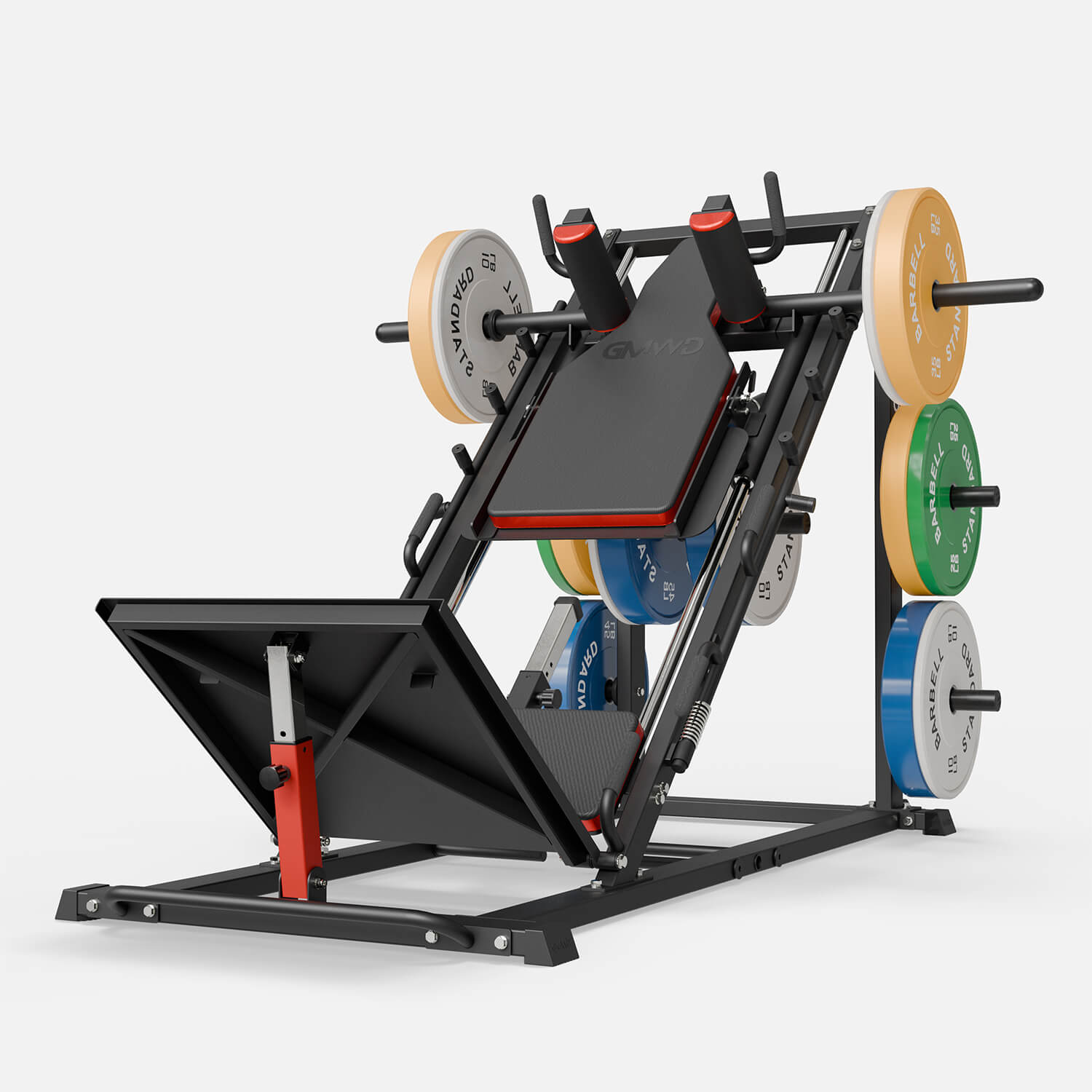
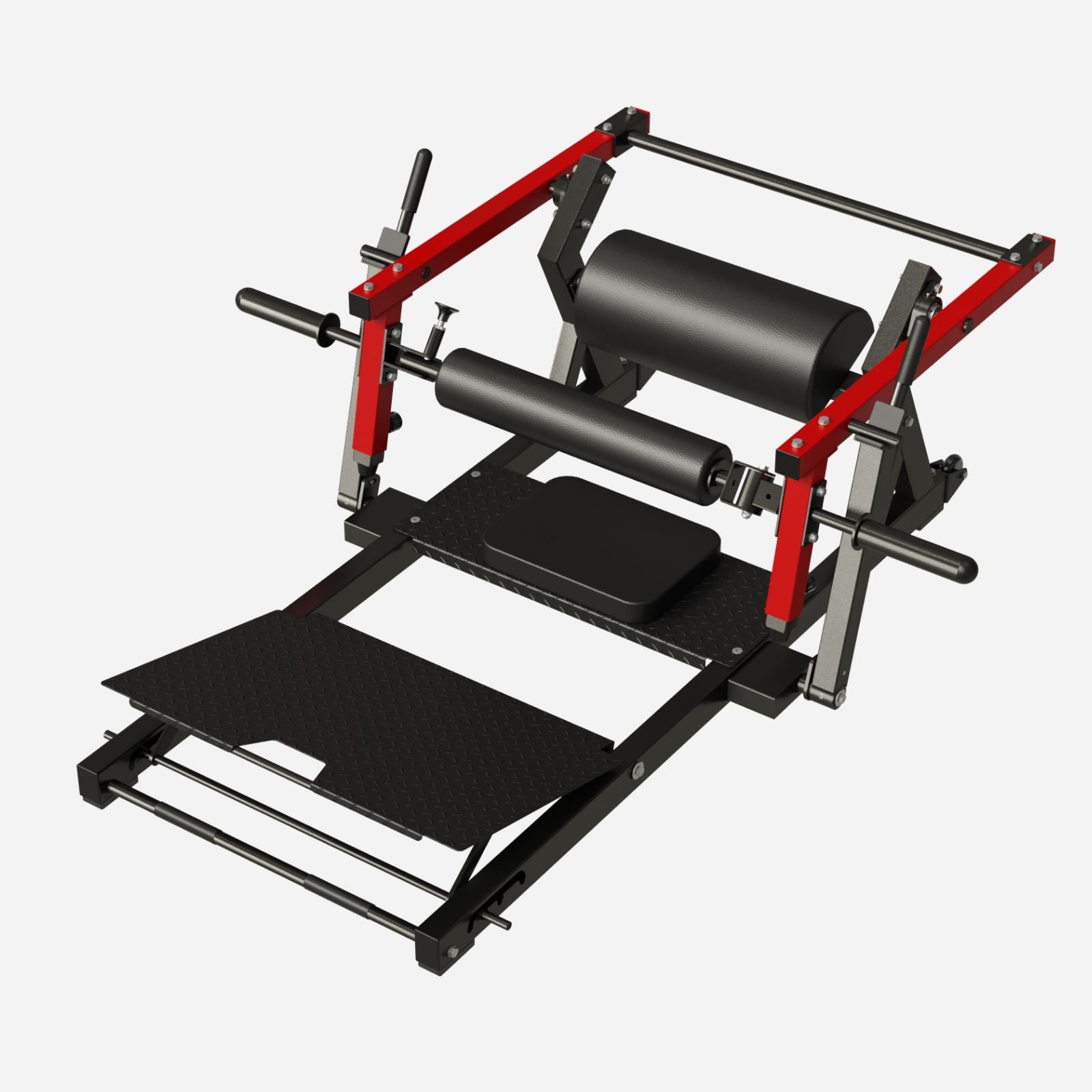
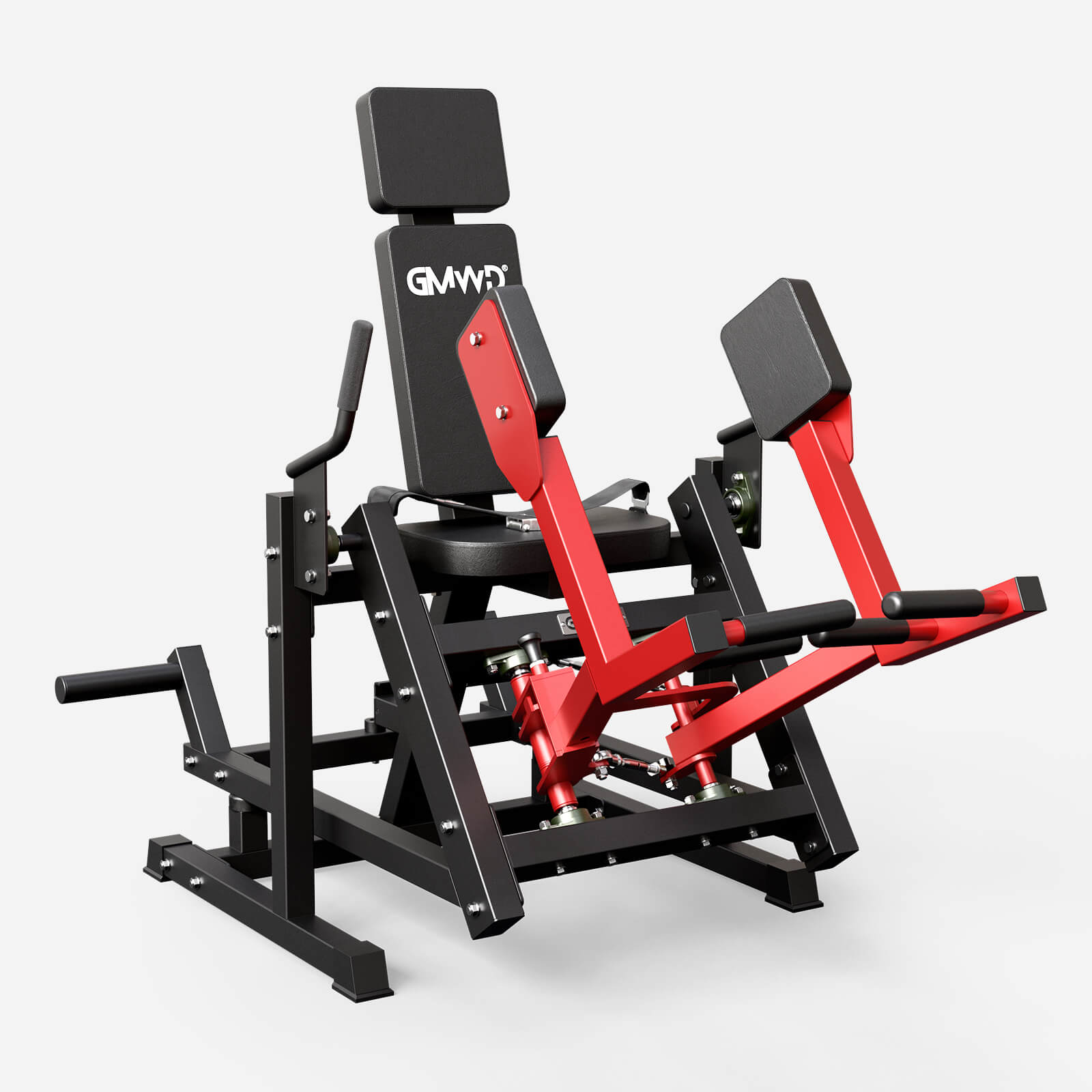
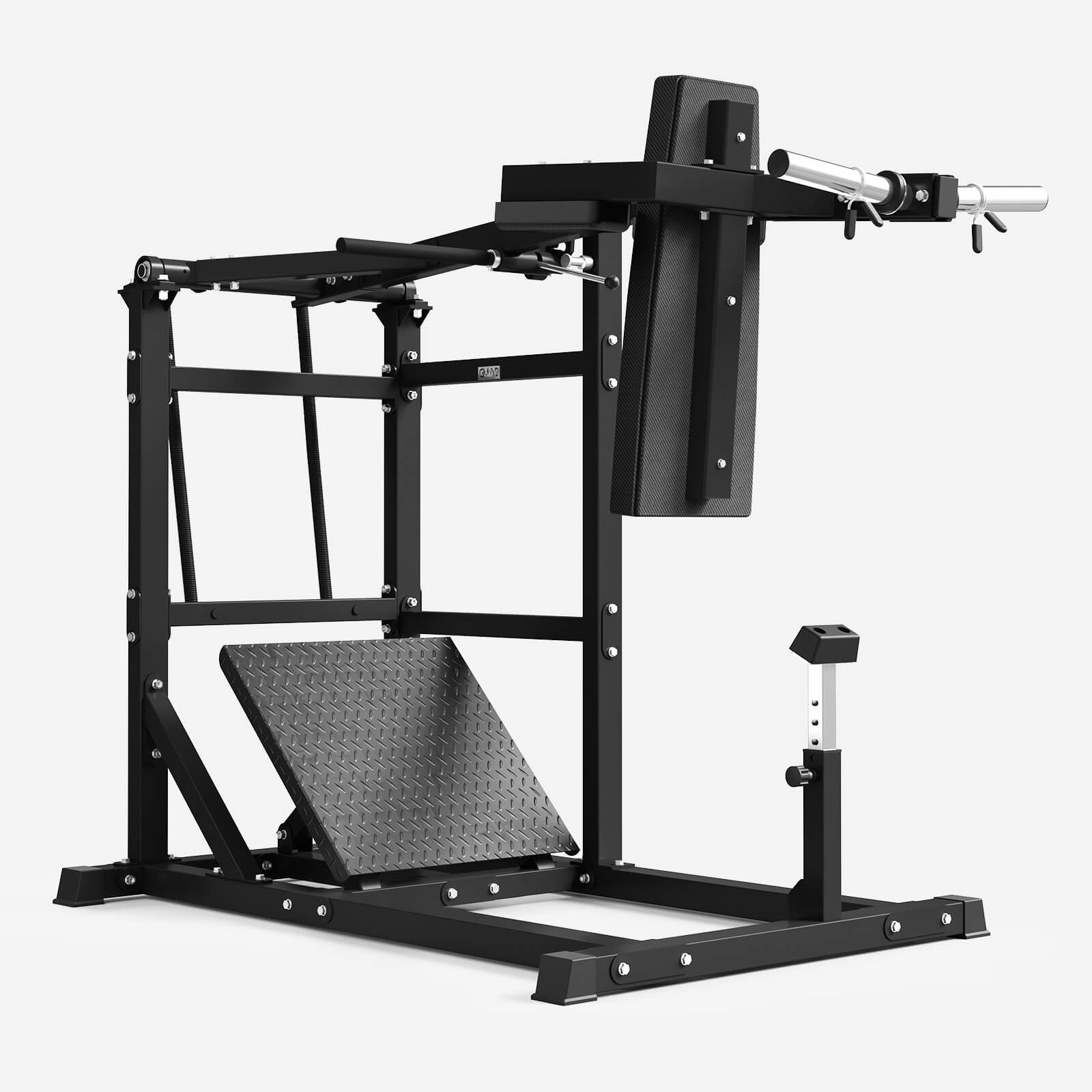
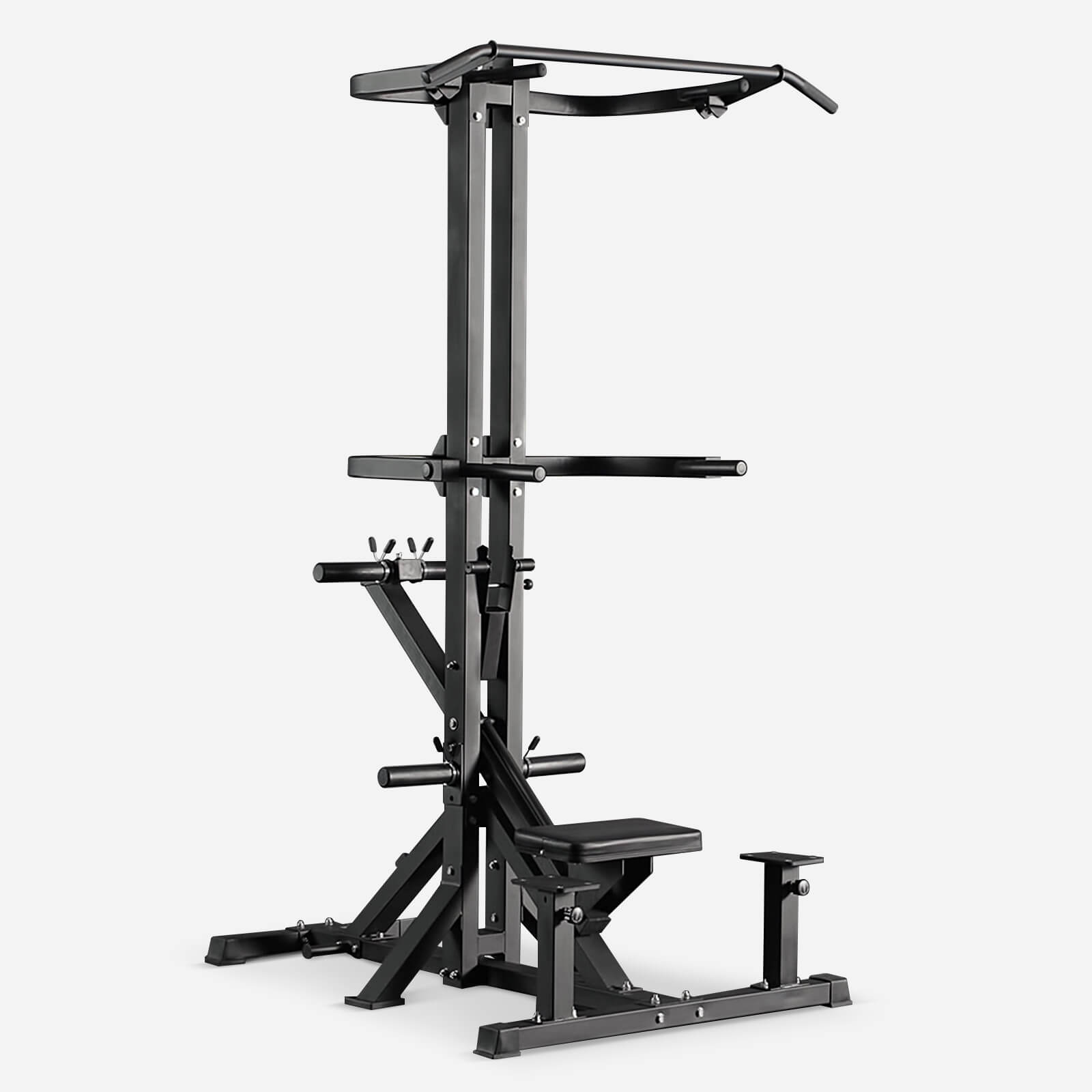
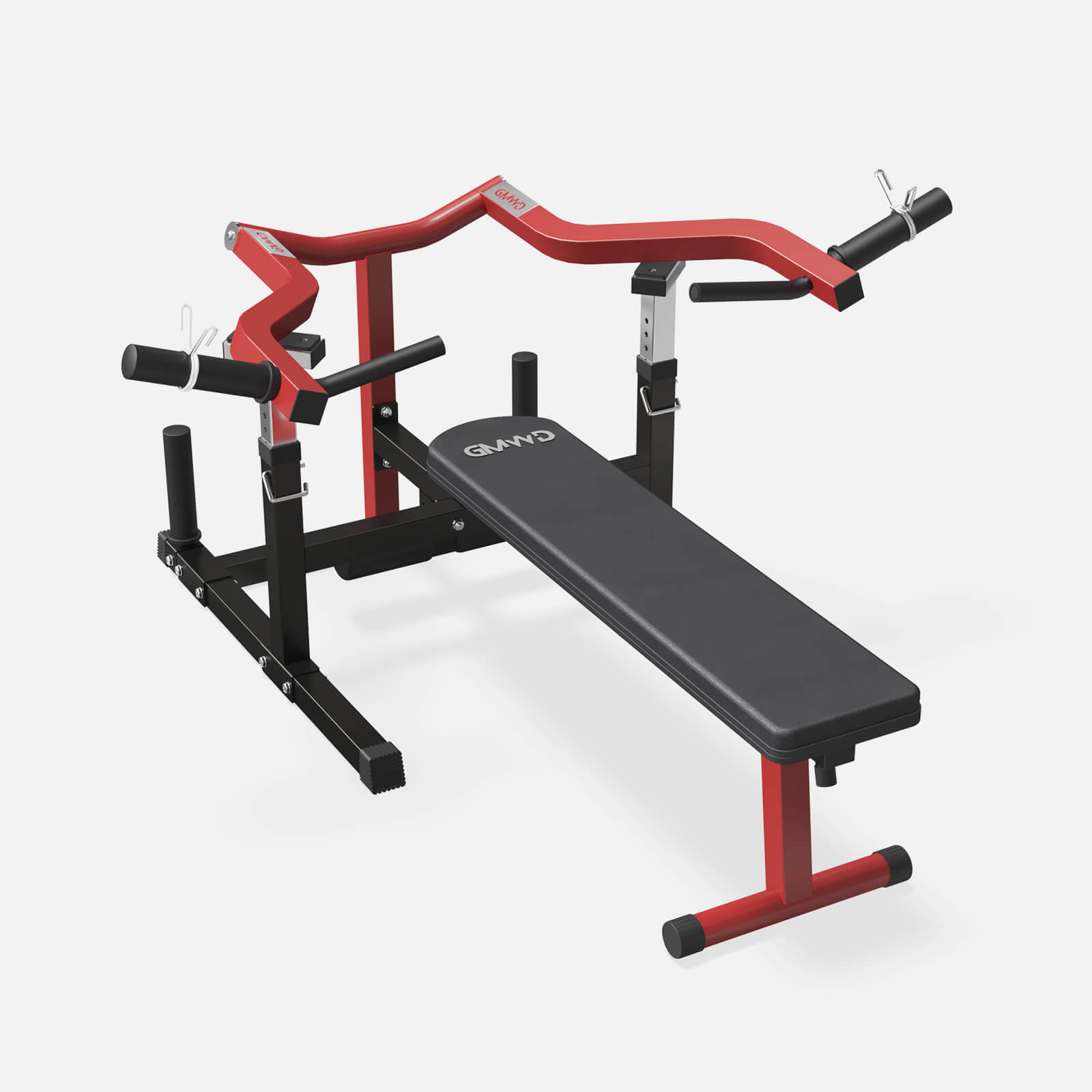
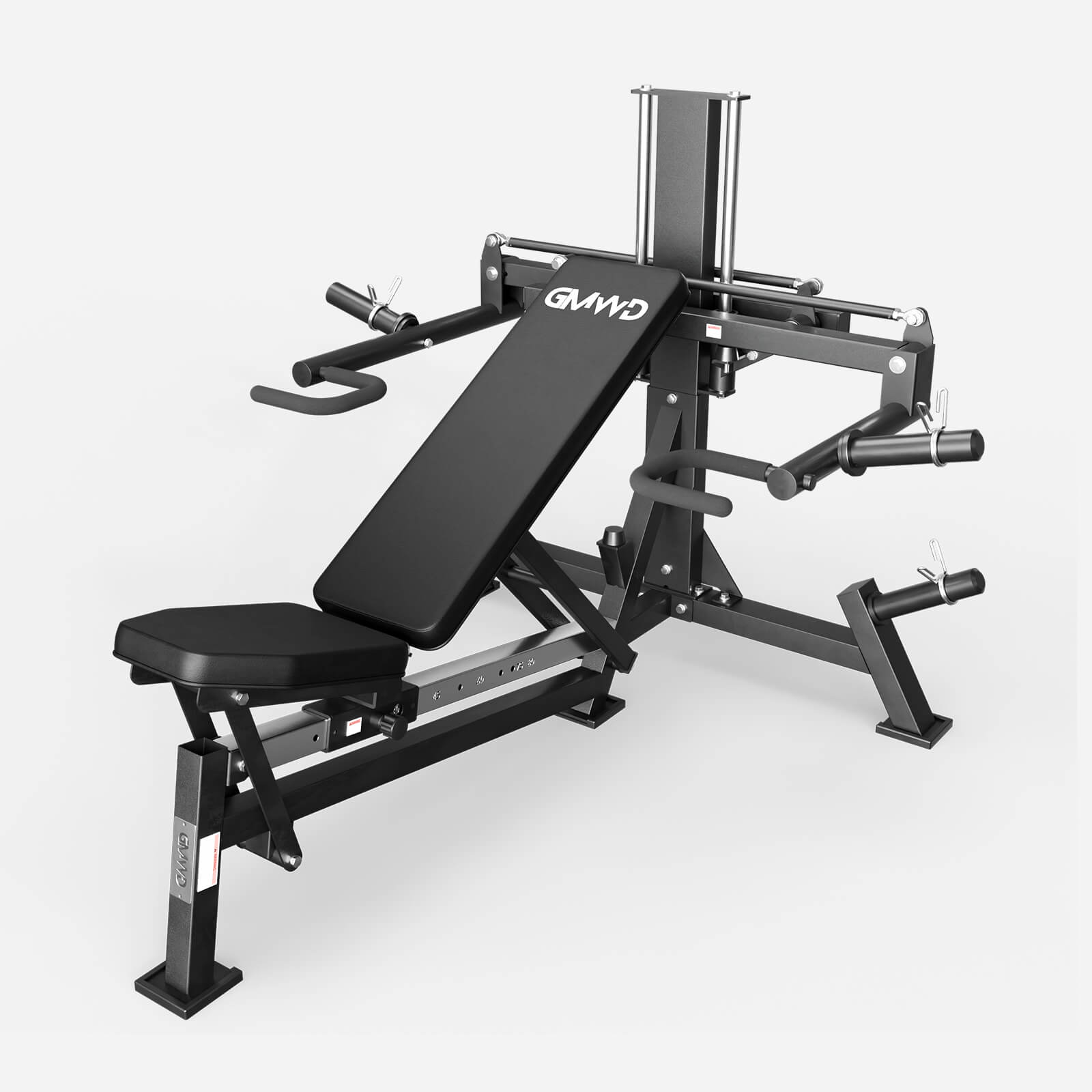
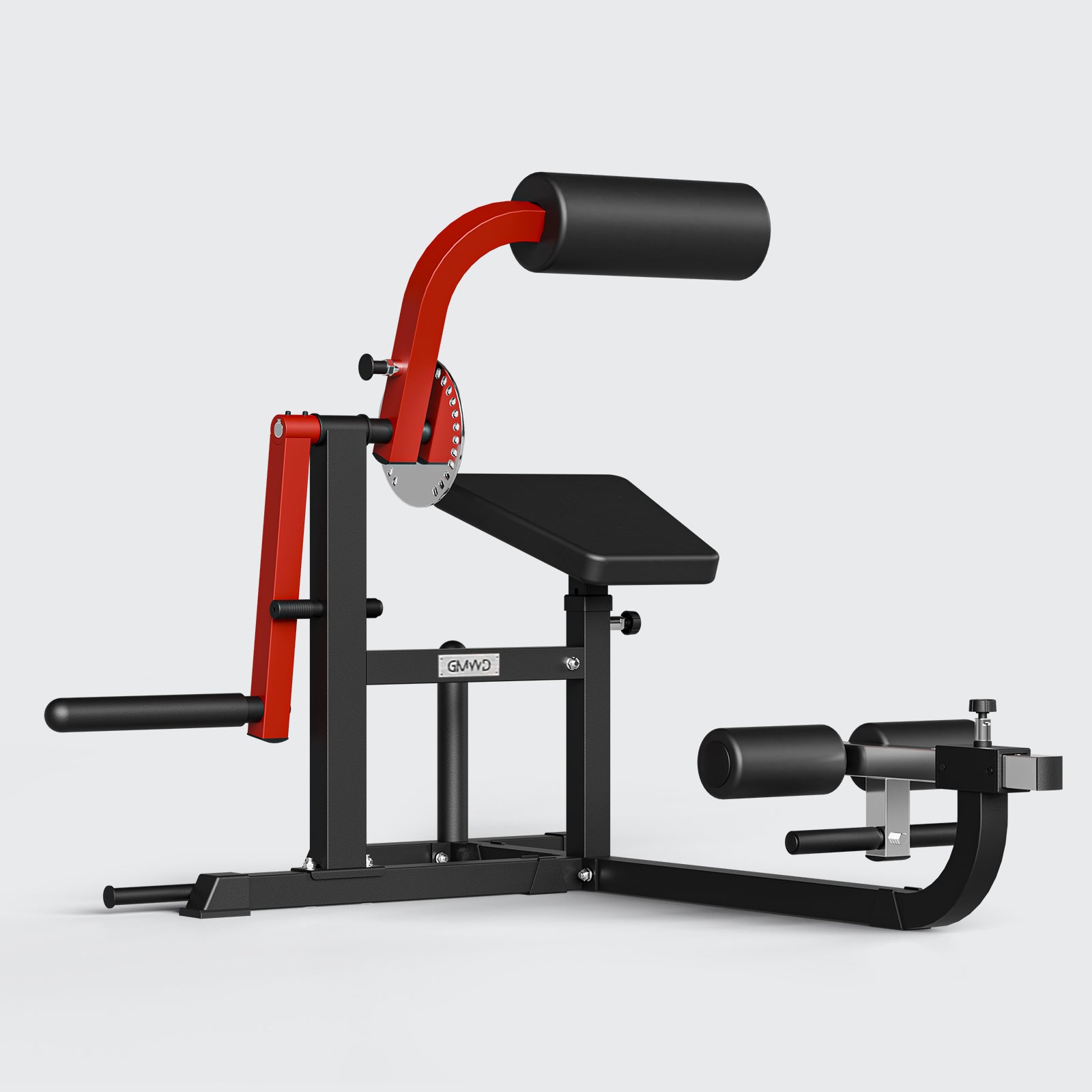
Absolutely. In fact, a home gym can make the routine easier to fit into a busy winter schedule.
You don't have to drive to the gym, wait for equipment, or reorganize your workout around someone else's schedule. Your training space is already where you live.
Ready to start your Winter Arc?
Explore our practical guides to prepare your setup and routine:
Your Winter Arc Doesn't Need to Be Extreme
The most useful Winter Arc may be the least dramatic one. You don't need to wake up at 5 a.m., train twice a day, eliminate every food you enjoy, or follow a rigid checklist.
Instead, build a routine you can repeat. Train consistently, eat to support your goal, and get enough recovery. By January, training will simply be part of your normal life.
Winter Arc FAQ
Is the Winter Arc a real workout program?
No. The Winter Arc is a social-media trend rather than a standardized workout program. There are no official exercises, schedules, or requirements.
When should I start a Winter Arc?
October 1 is a commonly used starting point, but you can start whenever it makes sense for you. A shorter training block can still be useful.
How long should a Winter Arc last?
There is no required duration. Eight to twelve weeks works well for a focused training block, but your timeline can be shorter or longer.
Do I need to train every day?
No. Training three or four days per week can be enough to build a consistent strength routine, depending on your goals and experience.
Can beginners do a Winter Arc?
Yes. Beginners can use the same idea to focus on learning basic movements, establishing a routine, and gradually increasing training volume or resistance.
Can I do a Winter Arc at home?
Yes. A home gym can provide a convenient environment for strength training without requiring a commute to a commercial gym.


Dejar un comentario
Todos los comentarios se revisan antes de su publicación.
Este sitio está protegido por hCaptcha y se aplican la Política de privacidad de hCaptcha y los Términos del servicio.