












If you're using the fall months to get stronger, build muscle, or finally establish a consistent training routine, an eight-week plan gives your fall some structure.
You don't need to train every day. You don't need a complicated challenge. And you don't need to completely change your lifestyle.
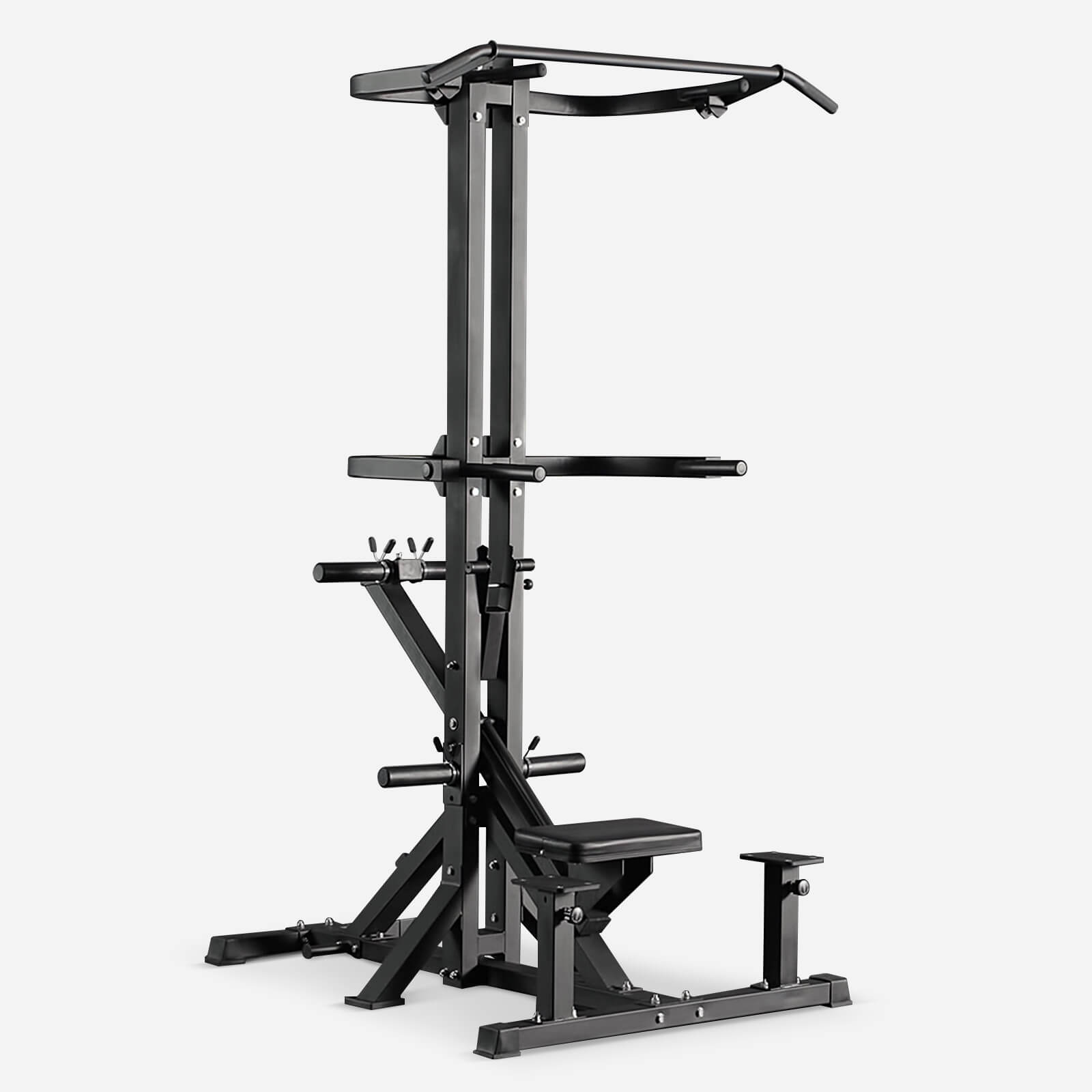
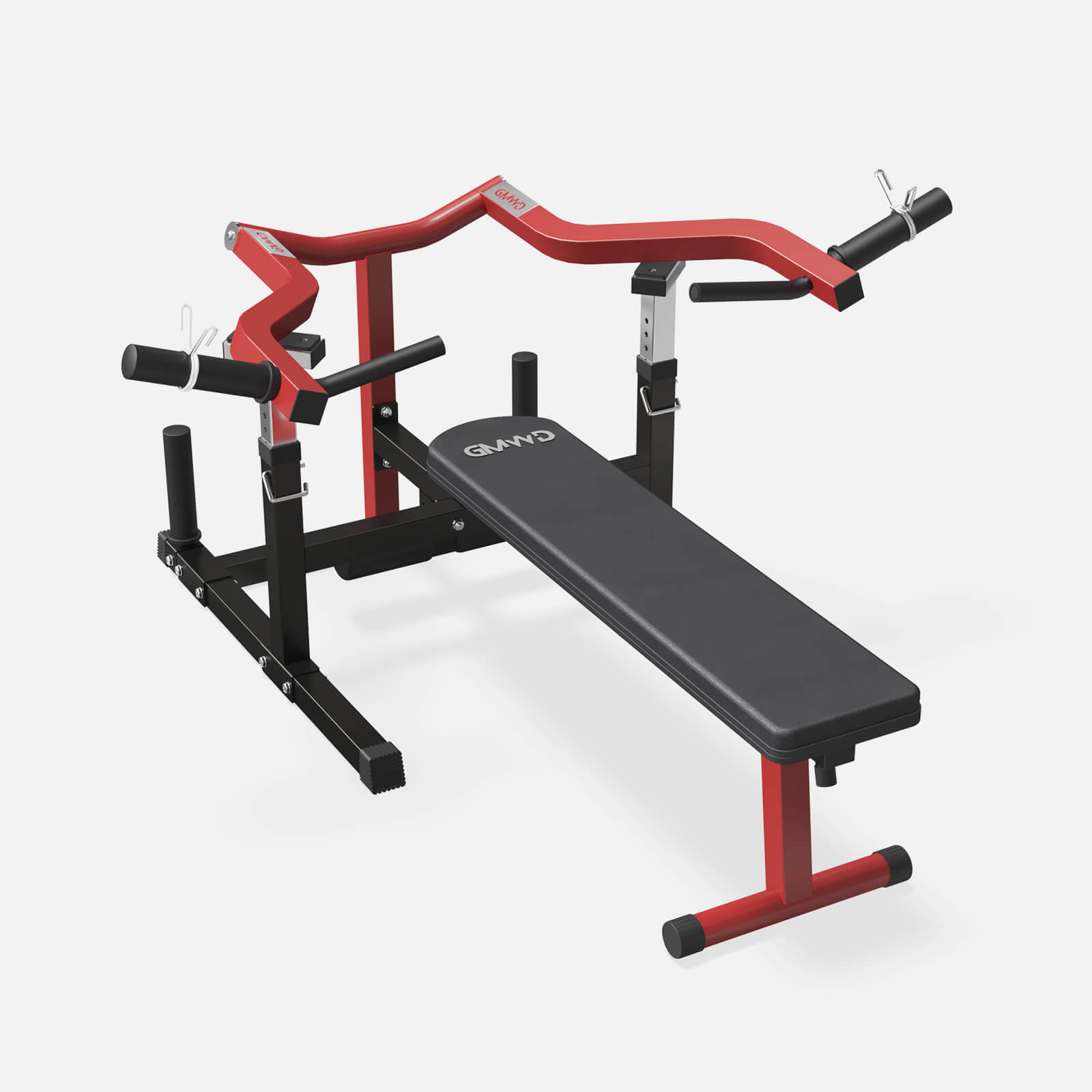
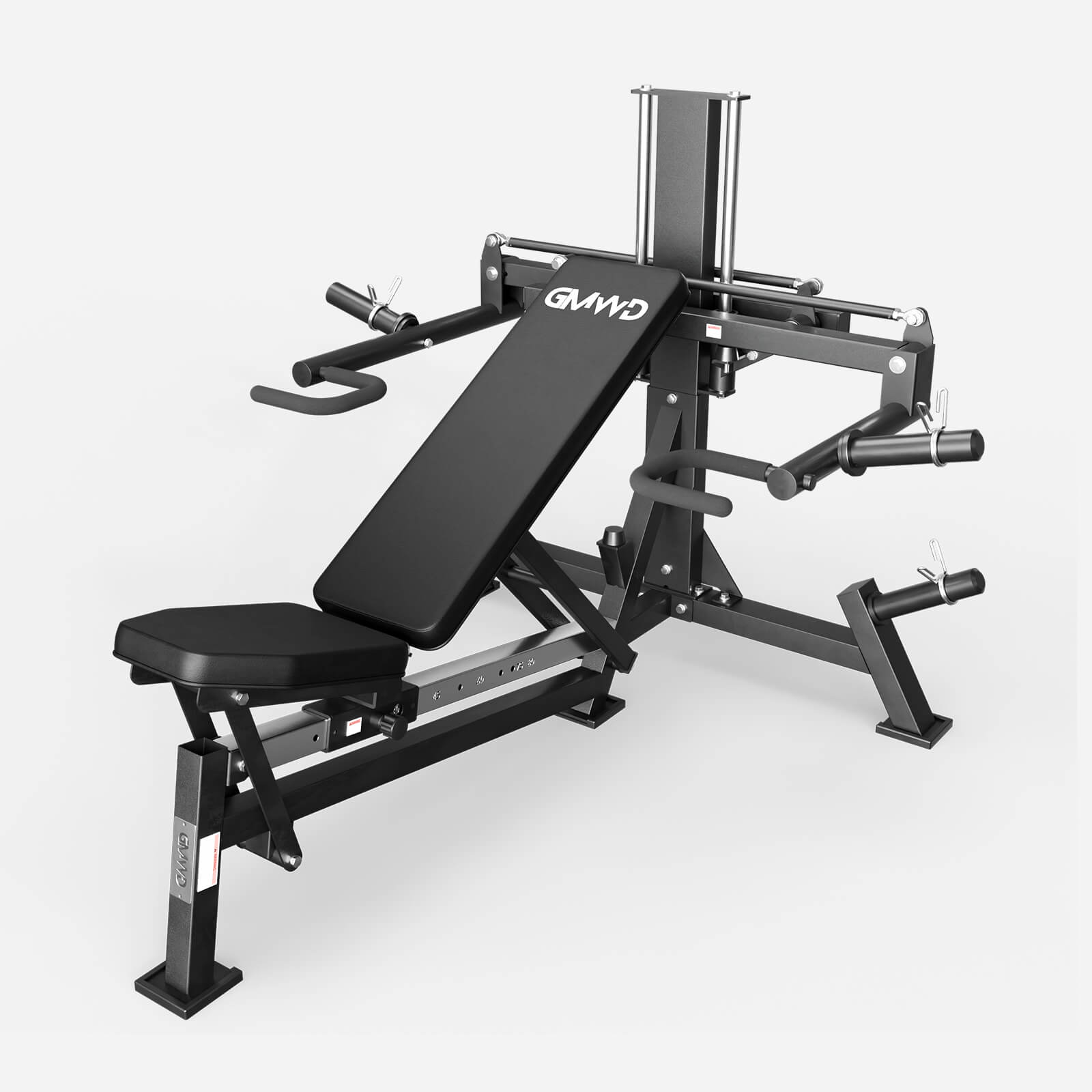
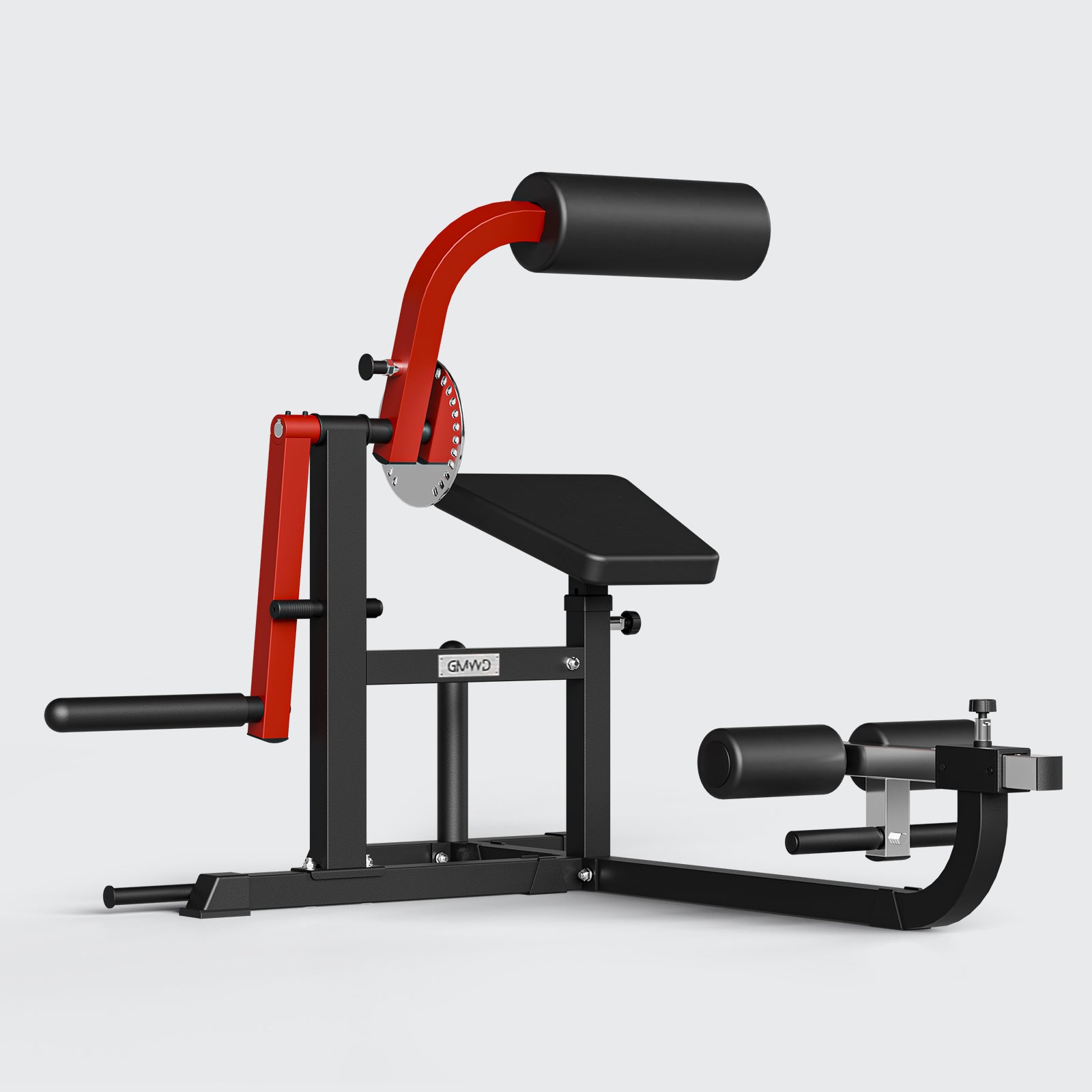
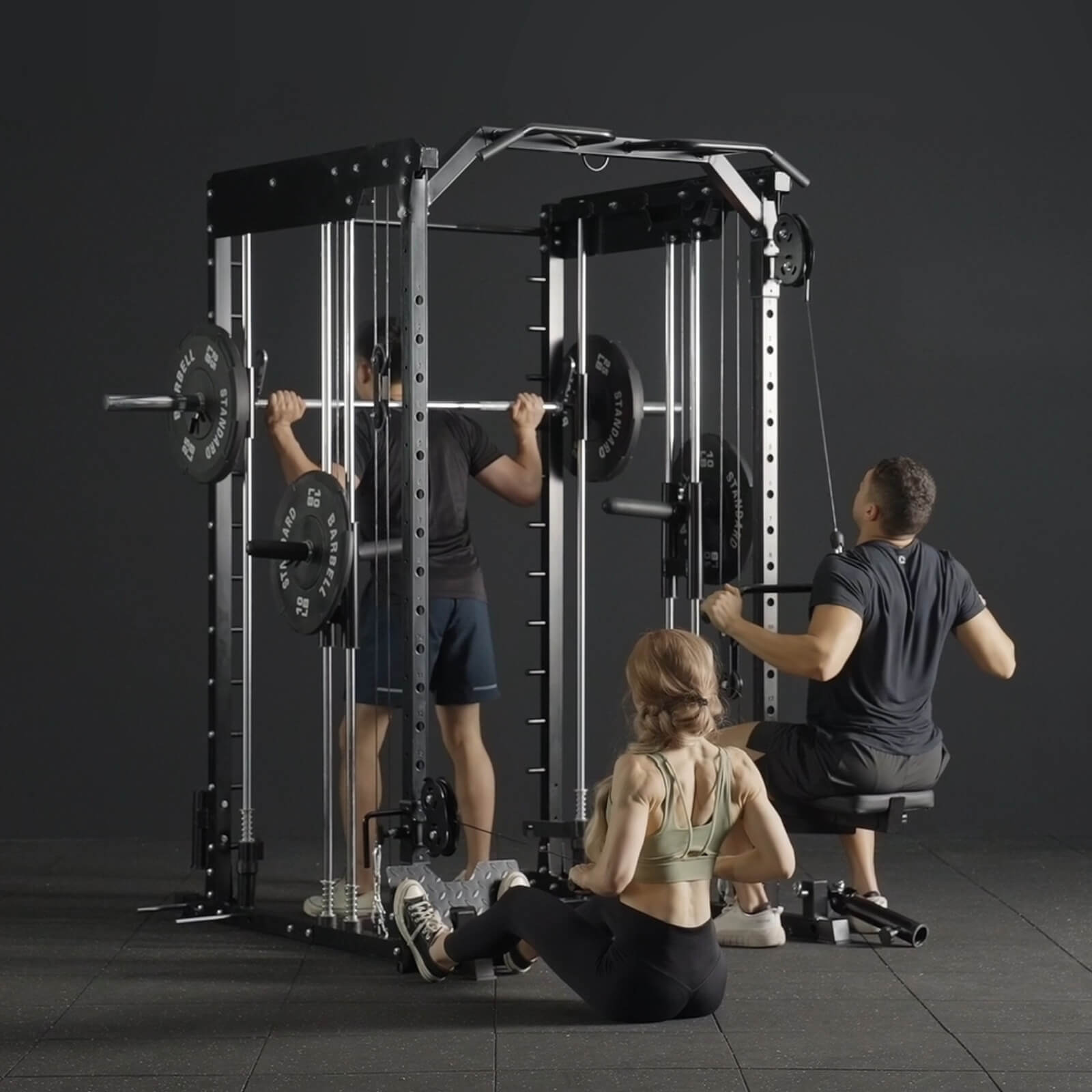
This 8-week fall workout plan uses four strength-training days per week, progressive overload, and built-in recovery. It can be performed in a home gym with a rack or Smith machine, adjustable bench, barbell and plates, and cable equipment.
The goal is simple: Build a routine you can still follow when the fall is over.
How the 8-Week Fall Plan Works
You'll train four days per week:
- Day 1: Upper Body Strength
- Day 2: Lower Body Strength
- Day 3: Recovery
- Day 4: Upper Body Hypertrophy
- Day 5: Lower Body + Core
- Days 6–7: Recovery or optional activity
The exact days don't matter as much as keeping the sessions reasonably spaced. For example:
| Day | Training |
|---|---|
| Monday | Upper Body Strength |
| Tuesday | Lower Body Strength |
| Wednesday | Recovery |
| Thursday | Upper Body Hypertrophy |
| Friday | Lower Body + Core |
| Saturday | Optional conditioning or walking |
| Sunday | Rest |
If four days is too much for your current schedule, reduce the volume rather than forcing yourself to complete every exercise.
Week 1–2: Build Your Base
The first two weeks are about establishing your baseline. Don't chase personal records.
Focus on:
- Learning or refining technique
- Choosing manageable weights
- Recording your sets and reps
- Establishing a consistent schedule
- Leaving enough recovery between sessions
Day 1 — Upper Body Strength
| Exercise | Sets | Reps |
|---|---|---|
| Barbell Bench Press | 4 | 5–8 |
| Barbell Row | 4 | 6–8 |
| Overhead Press | 3 | 6–8 |
| Lat Pulldown | 3 | 8–12 |
| Triceps Extension | 3 | 10–15 |
Day 2 — Lower Body Strength
| Exercise | Sets | Reps |
|---|---|---|
| Back Squat | 4 | 5–8 |
| Romanian Deadlift | 3 | 6–10 |
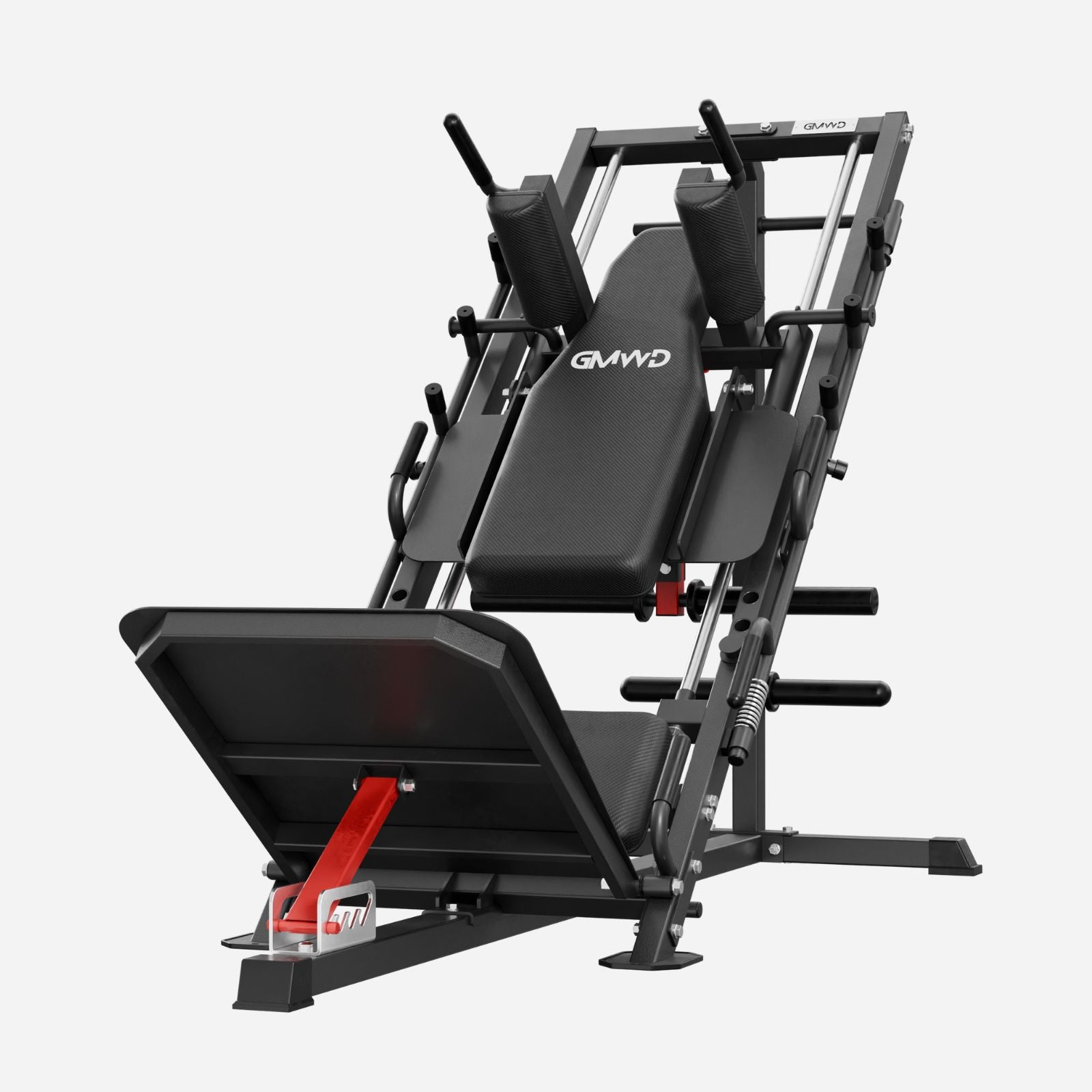
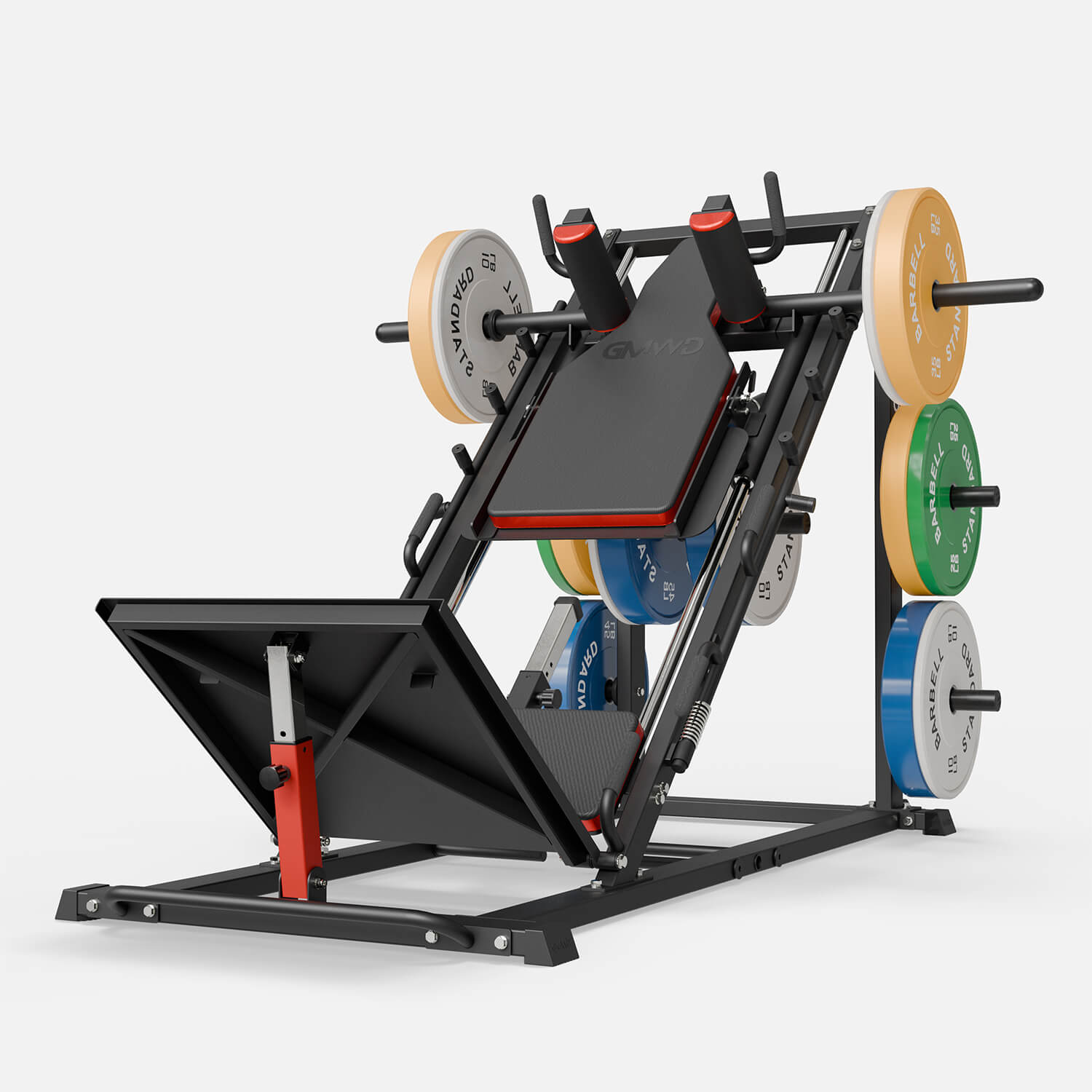
| Leg Press | 3 | 8–12 |
| Leg Curl | 3 | 10–15 |
| Calf Raise | 3 | 10–15 |
Day 4 — Upper Body Hypertrophy
| Exercise | Sets | Reps |
|---|---|---|
| Incline Bench Press | 3 | 8–12 |
| Seated Cable Row | 3 | 8–12 |
| Lat Pulldown | 3 | 10–12 |
| Lateral Raise | 3 | 12–15 |
| Biceps Curl | 3 | 10–15 |
Day 5 — Lower Body + Core
| Exercise | Sets | Reps |
|---|---|---|
| Hip Hinge or Deadlift | 3 | 5–8 |
| Bulgarian Split Squat | 3 | 8–12 / leg |
| Leg Extension | 3 | 10–15 |
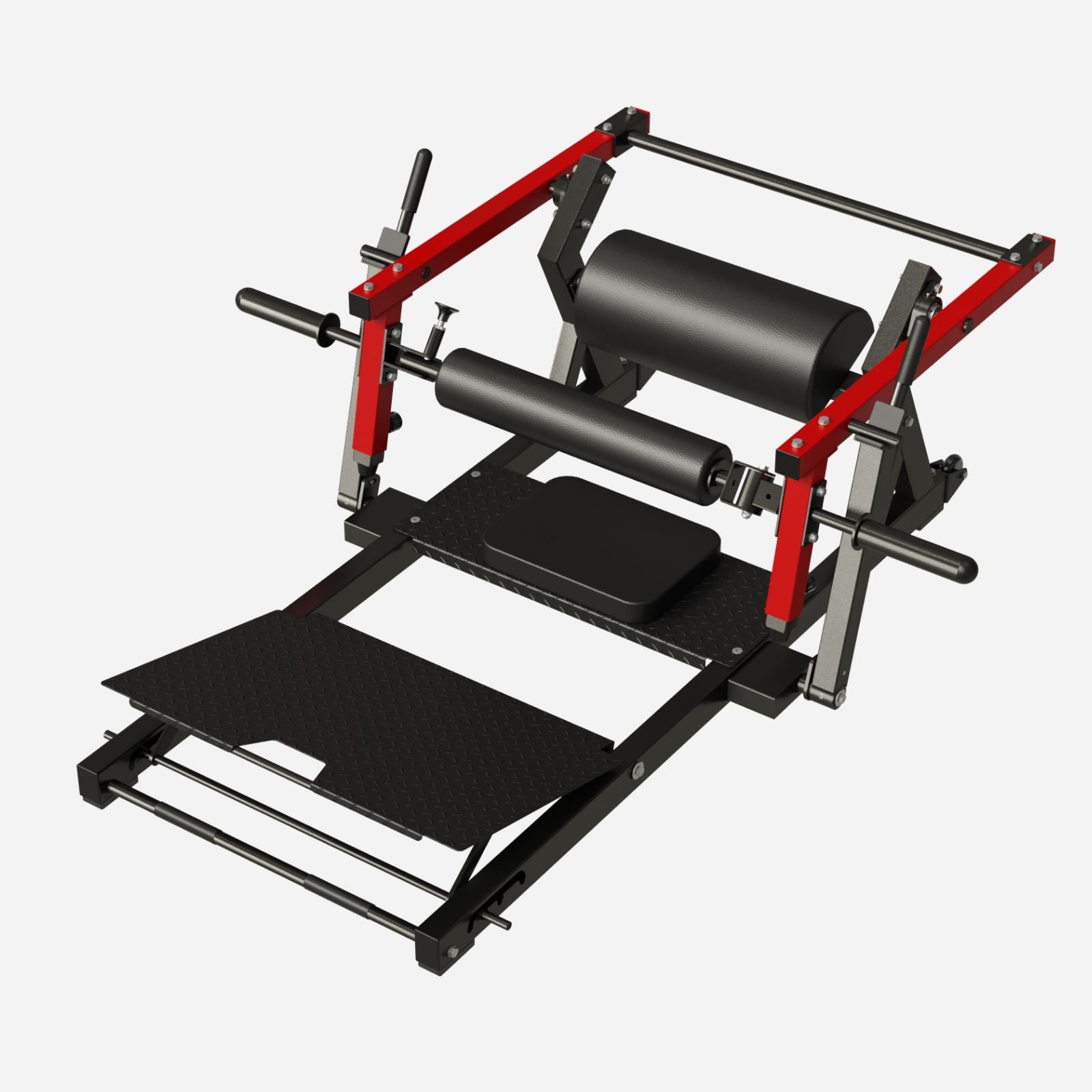
| Hip Thrust | 3 | 8–12 |
| Cable Crunch | 3 | 10–15 |
Use a weight that allows you to complete the prescribed reps with controlled technique.
Week 3–4: Add Volume
Once the movements feel comfortable, start pushing the training stimulus. You don't have to increase weight every workout.
Instead, use double progression:
- Stay within the prescribed rep range.
- Add reps while maintaining good form.
- Once you reach the top of the range on all working sets, increase the load slightly.
- Work back toward the lower end of the rep range.
For example, if your bench press target is 4 × 5–8:
- Week 1: 185 × 6, 6, 6, 5
- Week 2: 185 × 7, 7, 6, 6
- Week 3: 185 × 8, 8, 7, 7
- Week 4: 185 × 8, 8, 8, 8
At that point, you can increase the weight and repeat the process.
Week 5–6: Progressive Overload
By the middle of the program, your priority is to gradually increase the training demand. That can mean:
- More weight or reps
- An additional set for selected exercises
- Better technique and control through the range of motion
The goal is steady progress, not constant max effort.
Week 7: Push the Training Stimulus
By Week 7, you should have enough training data to understand how the program is going. Continue progressing your main lifts while keeping accessory work controlled. Avoid turning every set into a maximum-effort attempt.
Week 8: Consolidate and Check Your Progress
Week 8 is not necessarily a week for testing one-rep maxes. Instead, compare your current performance with Week 1. Look at weight lifted, reps completed, total volume, and consistency.
How to Progress Through the Eight Weeks
Here's the big-picture structure:
| Weeks | Focus | Main Objective |
|---|---|---|
| 1–2 | Foundation | Learn movements and establish baseline |
| 3–4 | Volume | Add reps and build work capacity |
| 5–6 | Progressive overload | Gradually increase training demand |
| 7 | Intensification | Challenge your working weights |
| 8 | Consolidation | Review progress and recover |
What Equipment Do You Need?
You can perform this program with a relatively straightforward home gym setup:
- Power Rack / Smith Machine: Provides a foundation for squats, bench presses, and overhead presses.
- Functional Trainer: Cable equipment for lat pulldowns, rows, triceps extensions, and core work.
- Adjustable Bench: Gives options for flat and incline pressing, supported rows, and split squats.
- Barbell and Weight Plates: Essential for major strength movements.
How Hard Should You Train?
For most working sets, avoid treating every set like a test of maximum strength. Finish most sets with a small amount of effort left in reserve. Your goal is to create a repeatable training stimulus that you can recover from.
What If You Miss a Workout?
Don't restart the program. If you miss Monday's workout, move it to the next available day. Consistency doesn't mean never missing a workout—it means returning to the plan instead of abandoning it.
What About Cardio During a Fall?
On recovery days, you can add low- or moderate-intensity activity like walking, cycling, or easy rowing. Keep additional work appropriate so it doesn't interfere with your lifting recovery.
Your Fall Doesn't Need to Be Extreme
A better target is simple: Four structured workouts. Eight weeks. Gradual progress. That's enough to build a meaningful training habit.
After the 8 Weeks: What Next?
Use the final week to review your progress, see which lifts improved, and build your next training block around your answers.
Fall Workout FAQ
How many days a week should I train during a fall?
This plan uses four strength-training days per week. Beginners or people with limited schedules can reduce the volume and train fewer days.
Is an 8-week workout plan enough to build muscle?
Eight weeks is enough time to establish a consistent training block and potentially make measurable progress, although results vary based on training experience, nutrition, and recovery.
Can beginners follow this fall workout plan?
Yes, but beginners should start conservatively, learn proper exercise technique, and adjust the volume and loading to their experience level.
Can I do this workout plan at home?
Yes. The program is designed around equipment commonly found in a well-equipped home gym, including a rack or Smith machine, bench, free weights, and cable equipment.
Should I train seven days a week for a fall?
No. More training days do not automatically mean better results. Recovery is an important part of a strength-training program.
What should I do after the eight weeks?
Review your training log, identify where you progressed, and use that information to build your next training block. You can repeat the structure while changing exercises or rep ranges.


Leave a comment
All comments are moderated before being published.
This site is protected by hCaptcha and the hCaptcha Privacy Policy and Terms of Service apply.