





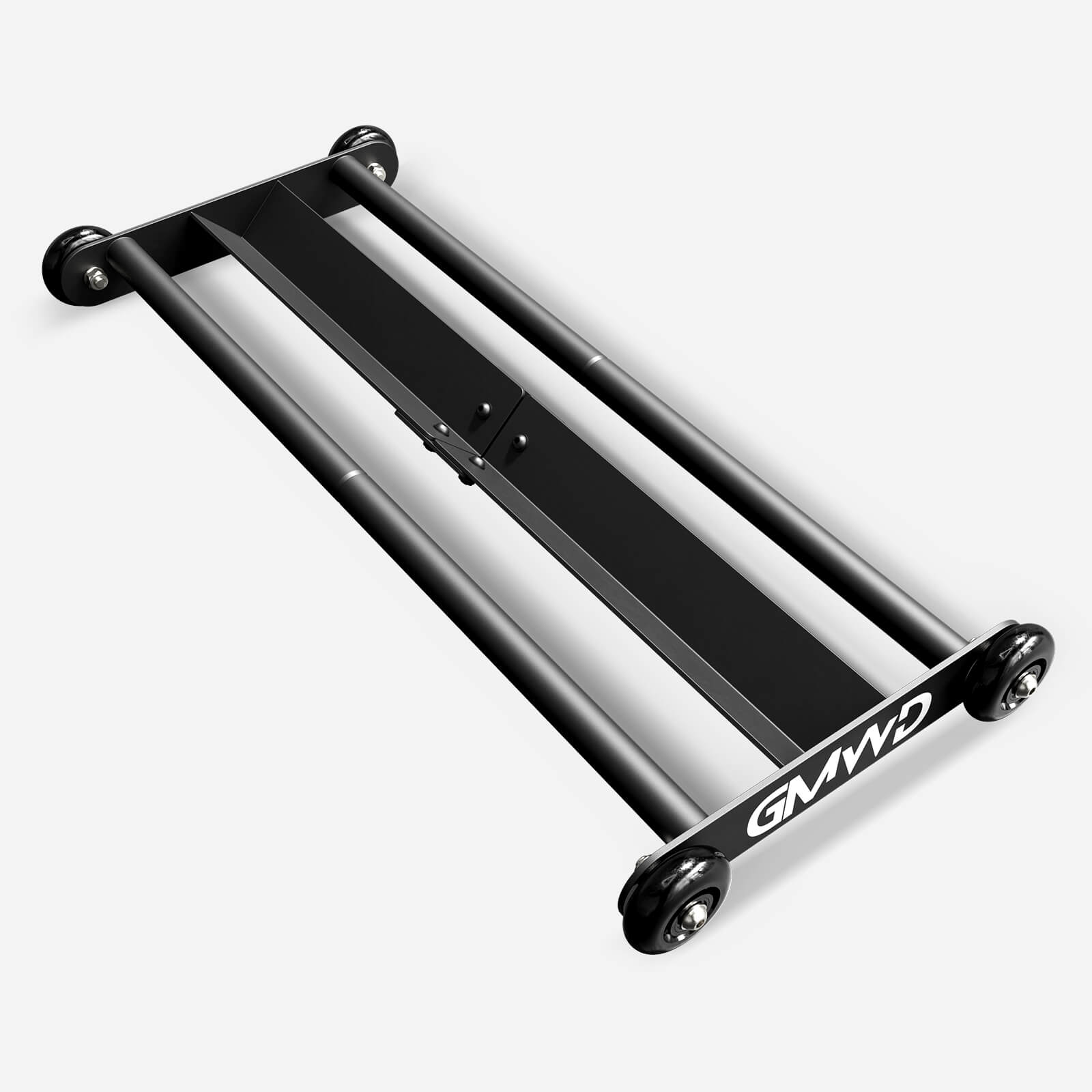

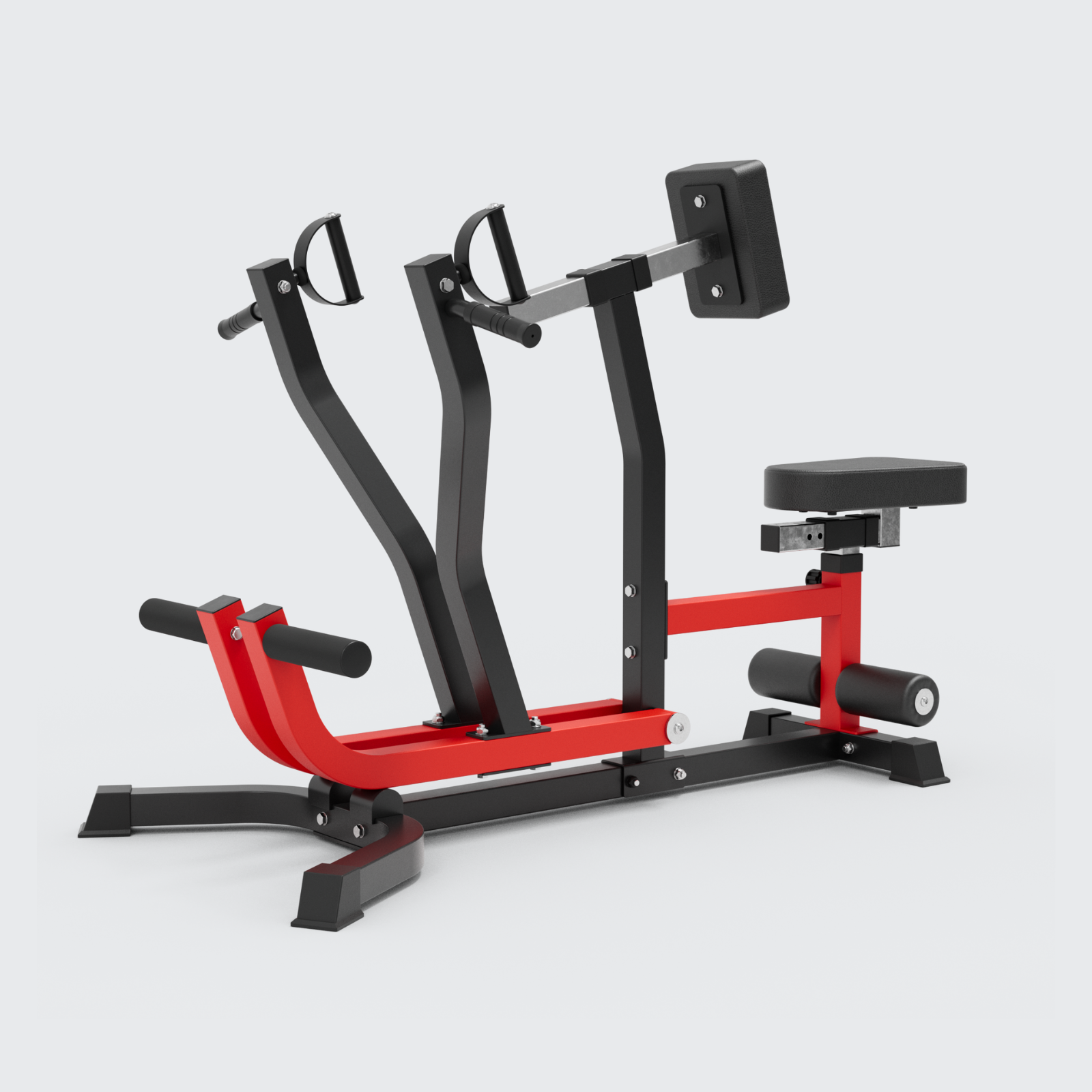
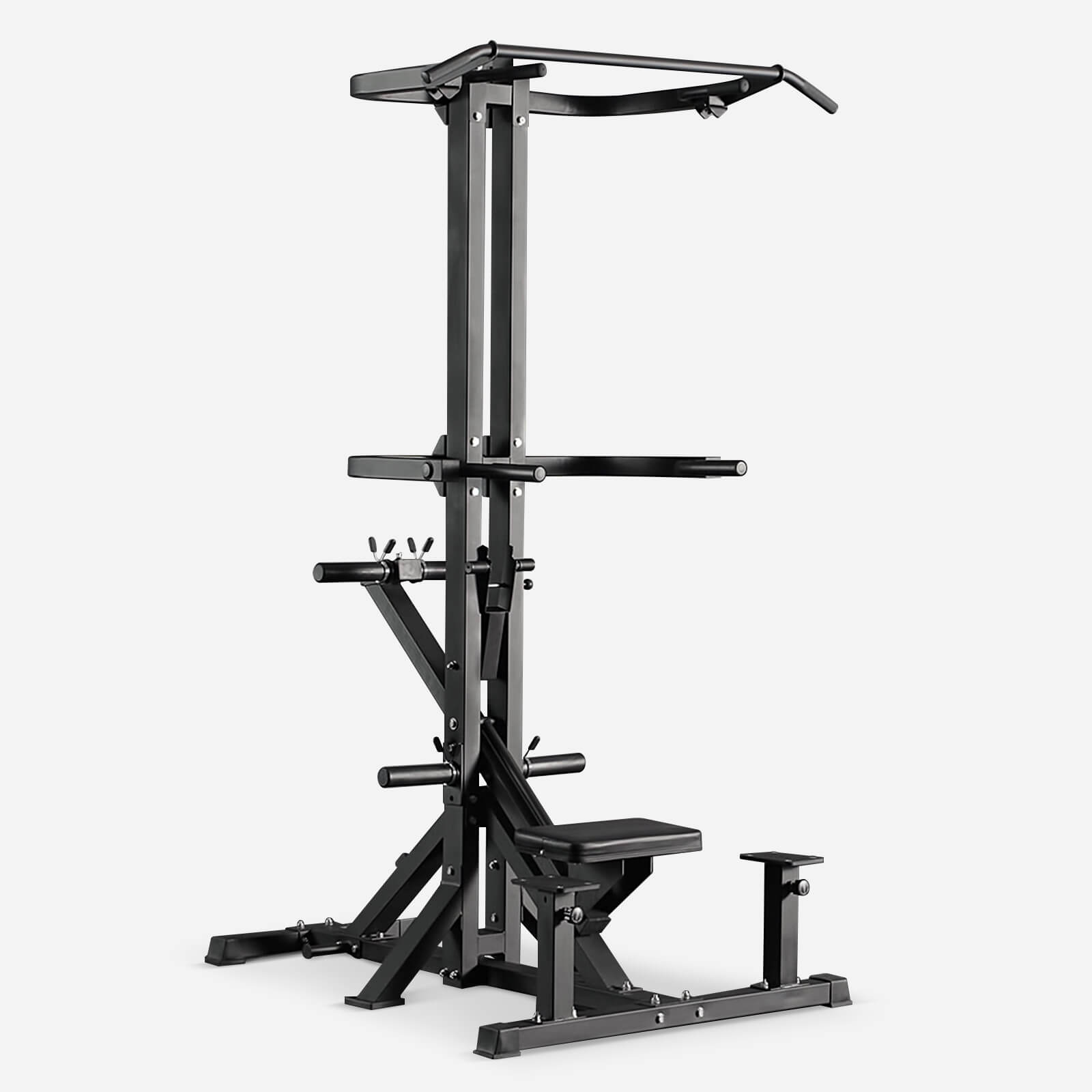


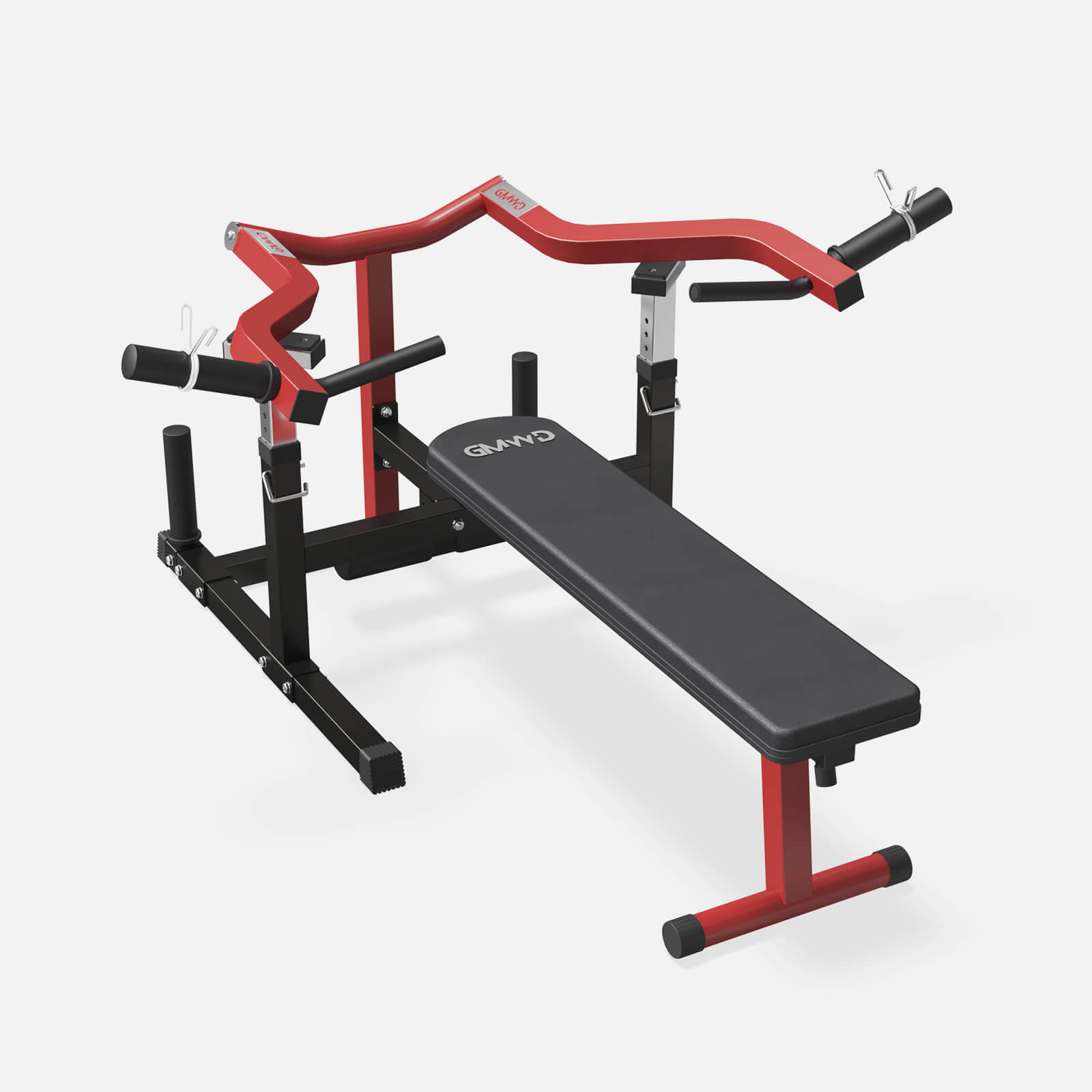

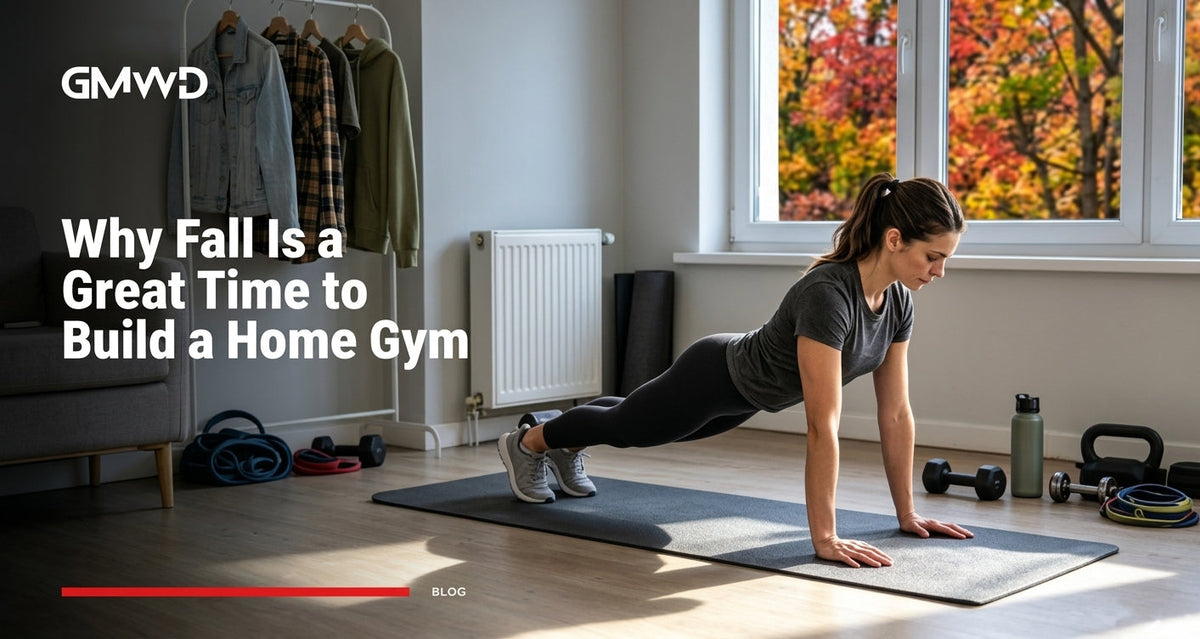
Fall has a way of changing your workout routine.
The days get shorter. Rain, snow, or freezing temperatures can make outdoor activity less appealing. Holiday schedules get busier, and a quick trip to the gym can suddenly require much more planning.
For some people, fall is exactly when a home gym starts to make more sense.
That doesn't mean fall is automatically the "best" season to exercise or that everyone needs a home gym. But if you've already been considering one, the colder months can be a practical time to create an indoor training space and establish a routine before the new year.
Here's why.
Fall Weather Can Create Real Barriers to Exercise
Weather isn't just an excuse people make up to skip a workout.
Research has found that physical activity patterns can vary by season, and poor or extreme weather can act as a barrier to participation.
A systematic review by Tucker and Gilliland examined 37 studies involving nearly 292,000 participants and found evidence that seasonality and weather can affect physical activity. The authors specifically suggested that providing indoor opportunities during cold and wet months may help support regular physical activity throughout the year.
That doesn't mean everyone becomes inactive in fall. It means your environment can make some forms of activity easier or harder.
If your normal workout involves driving across town, running outside, or using a park, fall weather can add another decision to your day:
A home gym removes that decision.
The Problem Isn't Always Motivation
It's easy to blame missed workouts on motivation. But sometimes the bigger issue is friction.
Think about a typical gym workout:
- Finish work
- Drive to the gym
- Find parking
- Change clothes
- Wait for equipment
- Complete the workout
- Drive home
None of those steps is particularly difficult. Together, they can make a 45-minute workout feel like a two-hour commitment.
A home gym changes the equation. You can walk into the room, warm up, train, and get back to the rest of your day.
That convenience doesn't guarantee that you'll train. But it removes several practical obstacles between you and the workout.
Your Environment Can Influence Physical Activity
Your surroundings matter more than they might seem.
A review published in the American Journal of Preventive Medicine examined environmental factors associated with adults' participation in physical activity. The researchers considered factors including access to facilities, opportunities for activity, weather, safety, and aesthetics.
They found consistent associations between several physical-environment factors and physical activity behavior, particularly accessibility and opportunities for activity. The authors also noted that more prospective research was needed to establish causal relationships.
A home gym is one way of changing that environment. Instead of having access to a gym somewhere else, you create a training opportunity inside your own home.
That distinction matters during fall.
Why Fall Can Be a Practical Time to Build a Home Gym
1. You can prepare before winter makes outdoor training harder
Fall is a natural transition period between summer and winter. Depending on where you live, cooler temperatures, rain, and shorter daylight hours may start making outdoor workouts less convenient.
That doesn't mean you need to give up running, cycling, recreational sports, or other outdoor activities. Instead, a home gym gives you a reliable indoor option when the weather doesn't cooperate.
Building your setup in the fall means you're prepared before winter arrives.
2. You have more time to plan your space and equipment
A home gym usually takes more planning than simply buying a piece of equipment.
You may need to measure your available space, decide which exercises you want to prioritize, compare equipment, set a budget, and figure out where everything will go.
Starting in the fall gives you time to work through those decisions before the end-of-year rush. You can build a setup that fits your actual training needs instead of buying equipment in a hurry once winter arrives.
3. You can get your home gym ready before the holiday season
The months ahead of the holidays can become busy quickly. Travel, family events, work deadlines, and changing schedules can make it harder to maintain a consistent gym routine.
Getting your home gym set up in the fall gives you more flexibility once that busy period begins. Instead of trying to build your training space during the holidays, you can already have the equipment in place and adjust your workouts around your schedule.
4. You can enter the New Year with a routine already in place
January often feels like a natural time to start or restart personal goals. Research on the fresh start effect has found that people can become more likely to pursue goals around temporal landmarks such as the beginning of a new week, month, or year.
That doesn't mean a new calendar year automatically creates discipline. But it can provide a useful psychological starting point.
If your home gym is already set up before January, you won't need to spend the first few weeks of the year figuring out your equipment, space, or workout environment. You can start with the setup already in place and focus on building a routine.
What Should You Put in a Fall Home Gym?
You don't need to buy every piece of equipment at once. Start with the movements you actually want to train.
For Strength Training
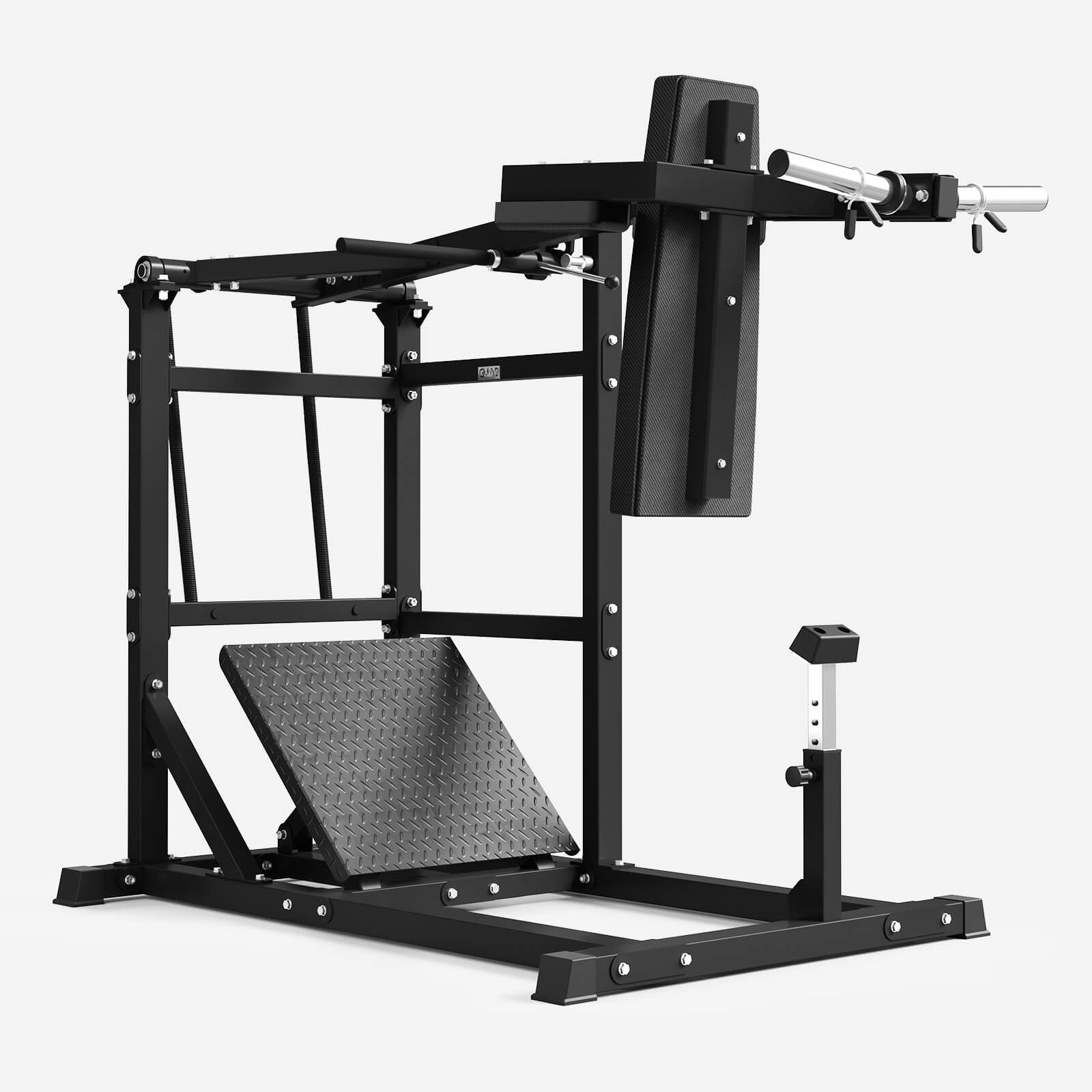
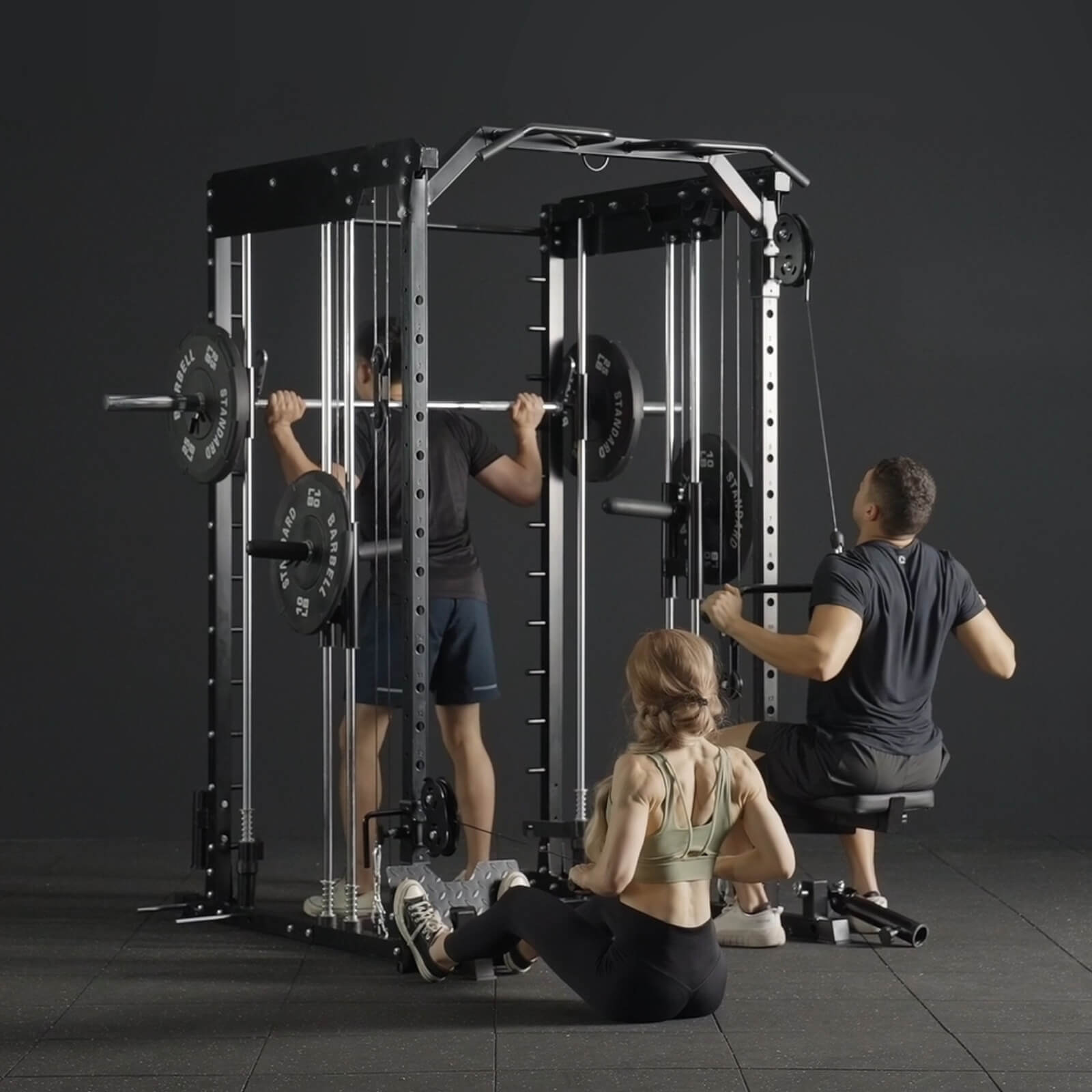
A power rack or Smith machine can provide the foundation for exercises such as squats, bench presses, overhead presses, rack pulls, lunges, and other barbell-based movements. For a garage gym or dedicated training room, this can form the core of the setup.
For Cable Training
A functional trainer adds another layer of exercise options without requiring a large collection of individual machines. You can use cable systems for lat pulldowns, rows, triceps extensions, biceps curls, face pulls, lateral raises, cable flyes, and core work. This makes a functional trainer particularly useful for full-body home workouts.
For Free-Weight Training
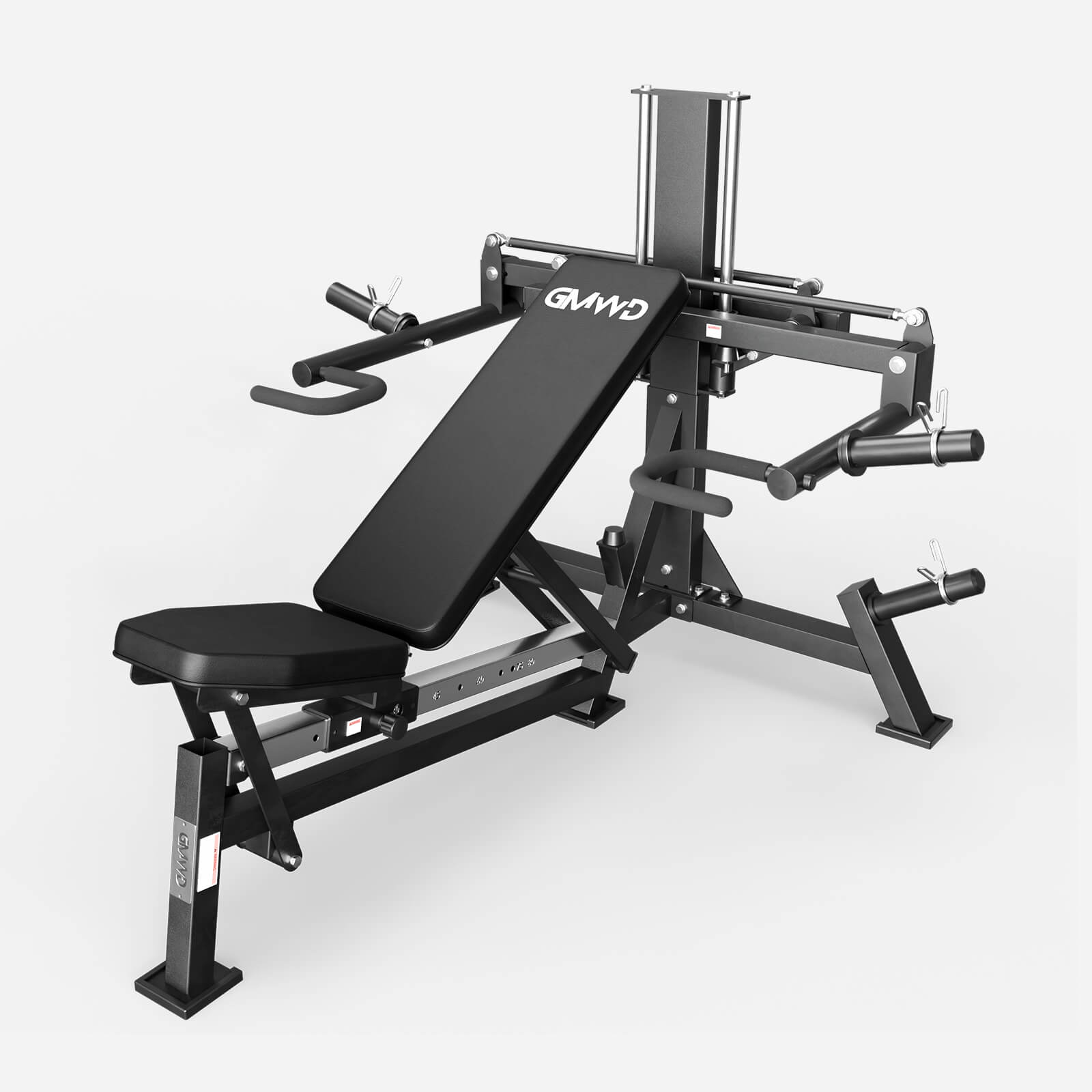
A barbell, weight plates, and adjustable bench can cover a large number of fundamental movements. A good starting combination is: Rack + bench + barbell + plates. From there, add equipment based on the exercises you actually use.
For Lower-Body Training
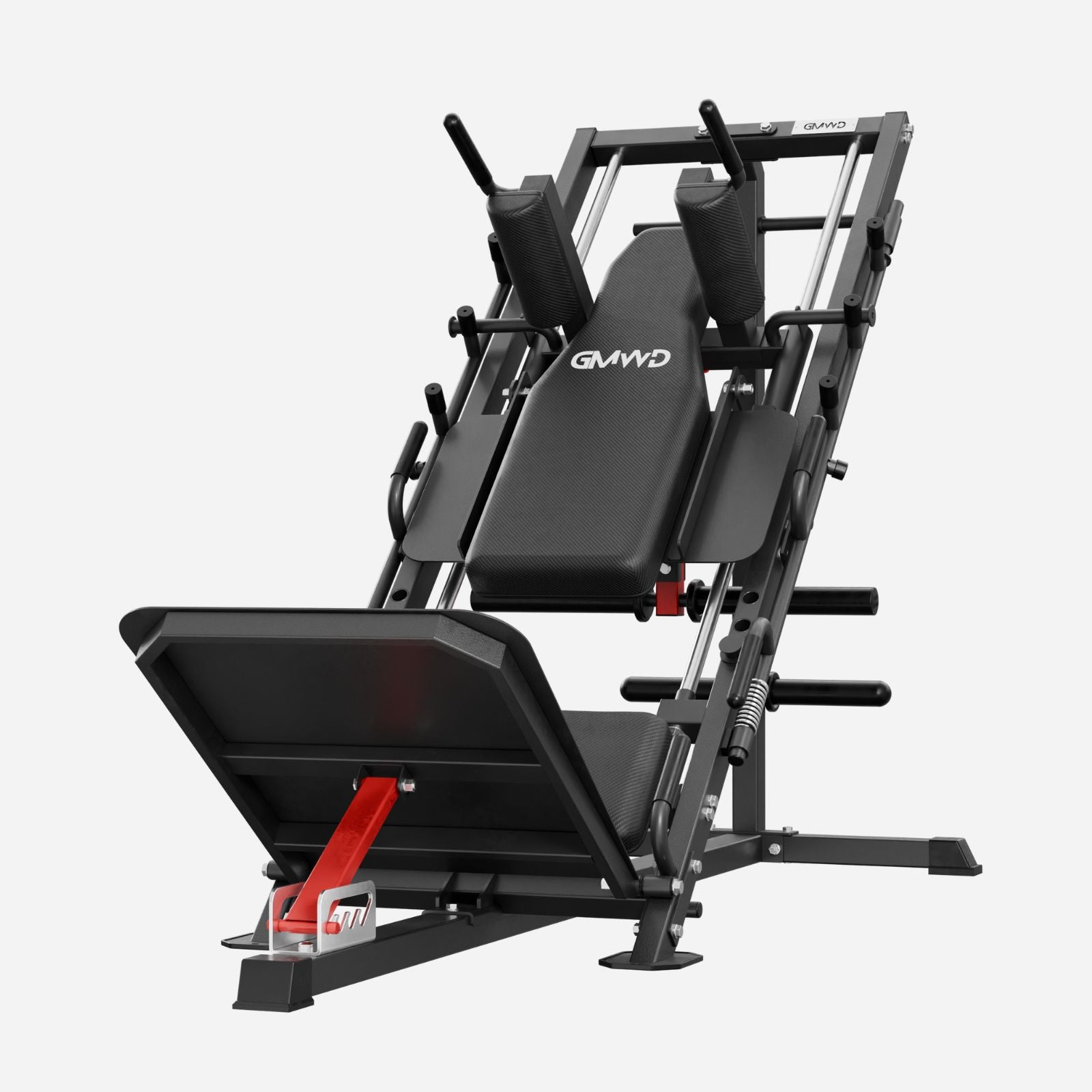
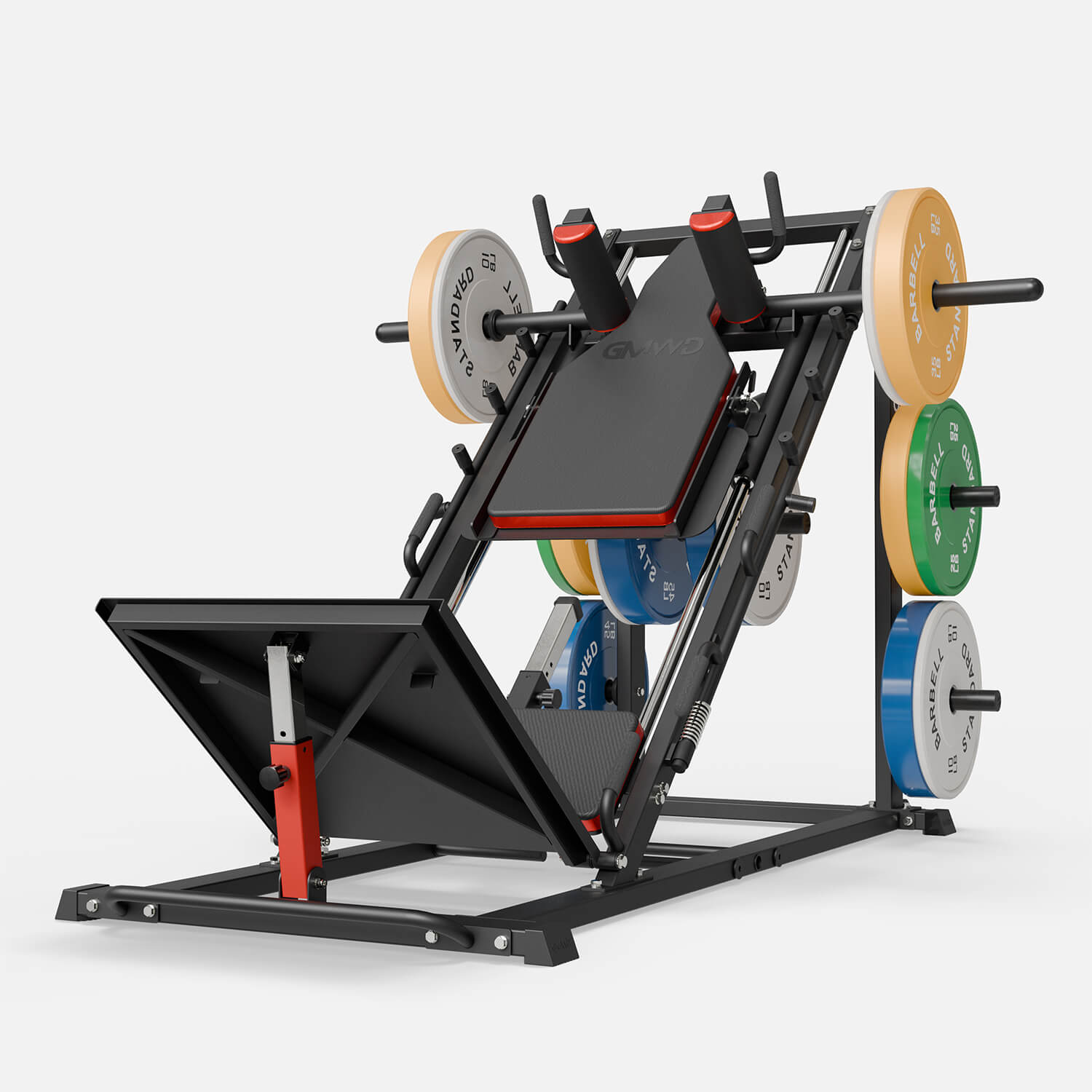
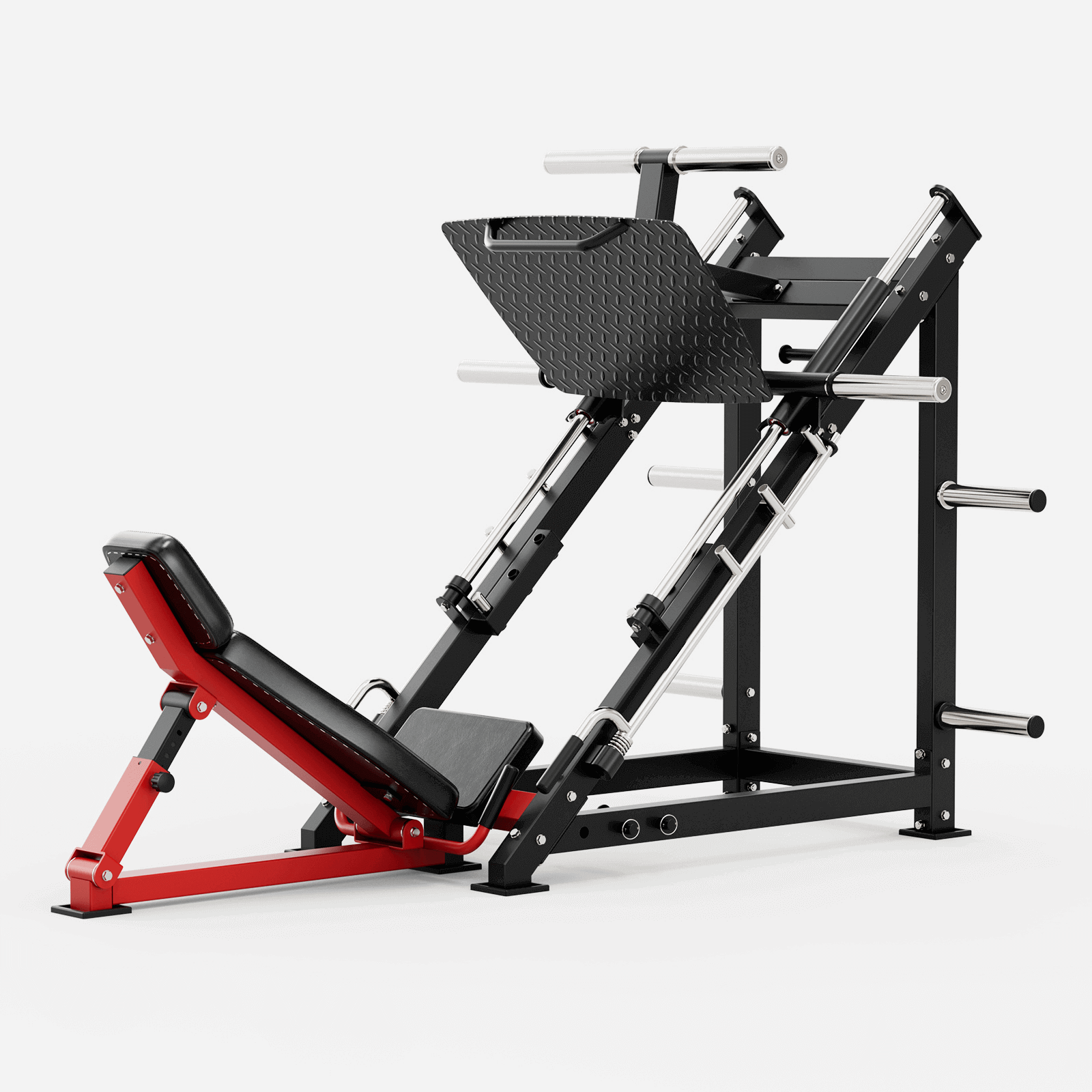
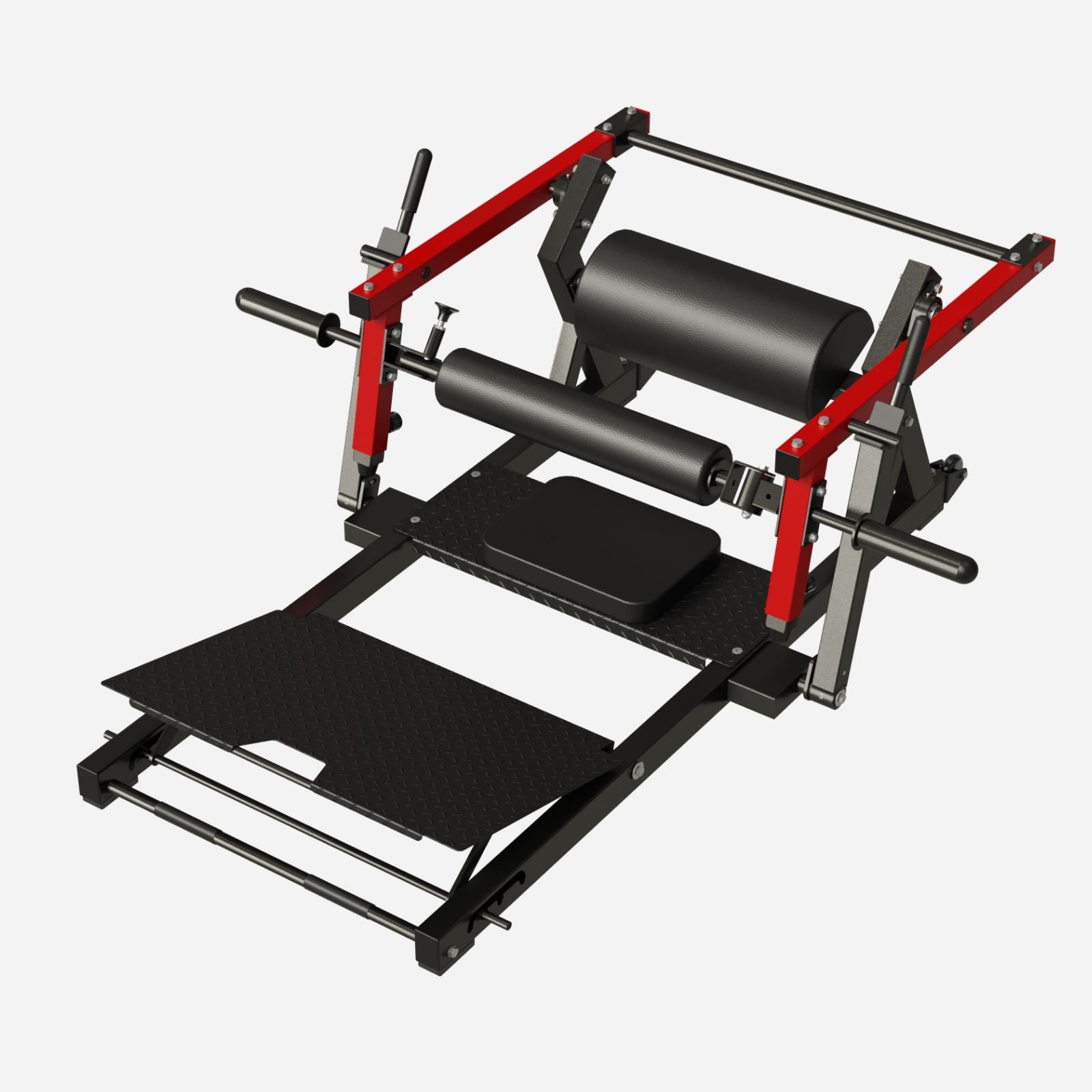
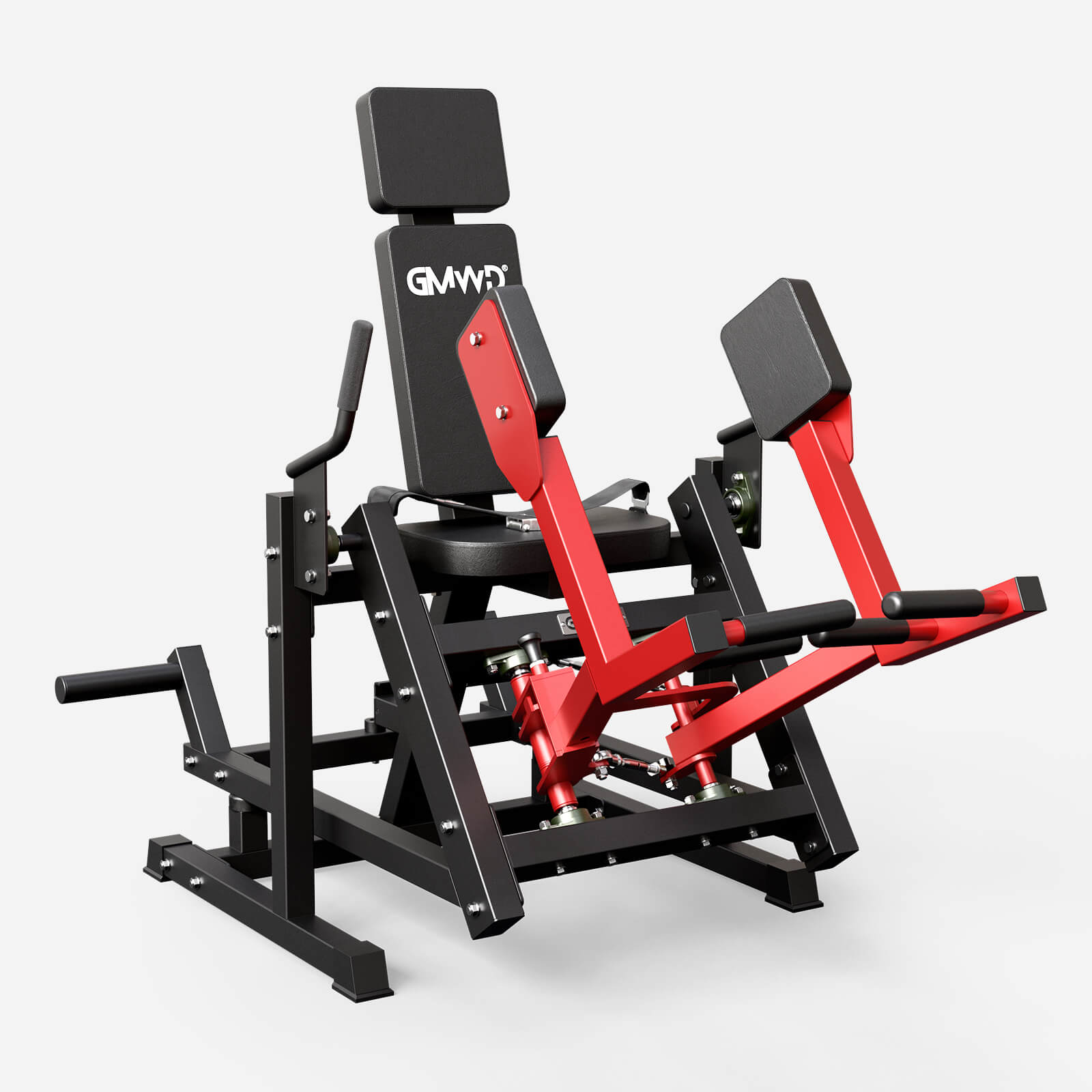
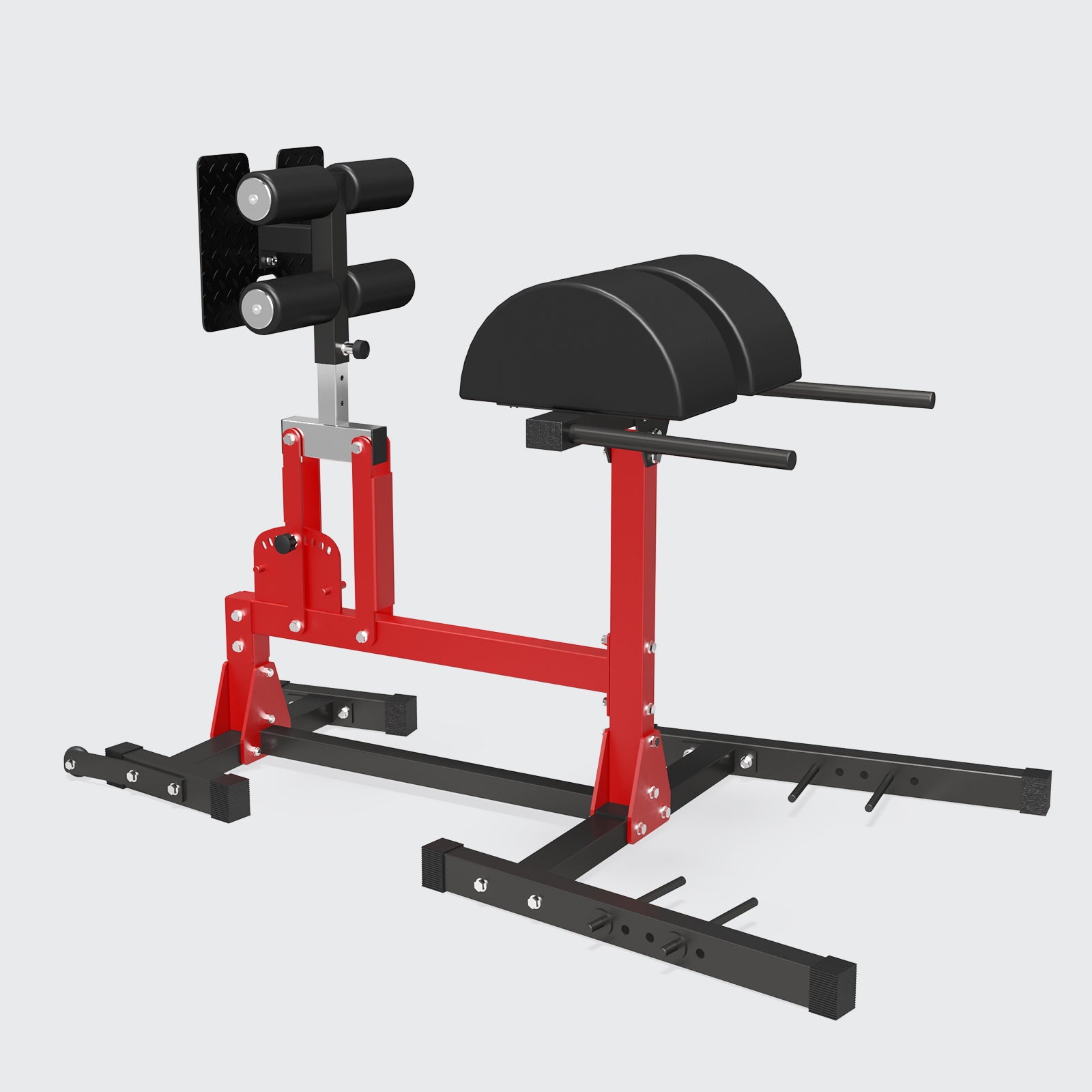
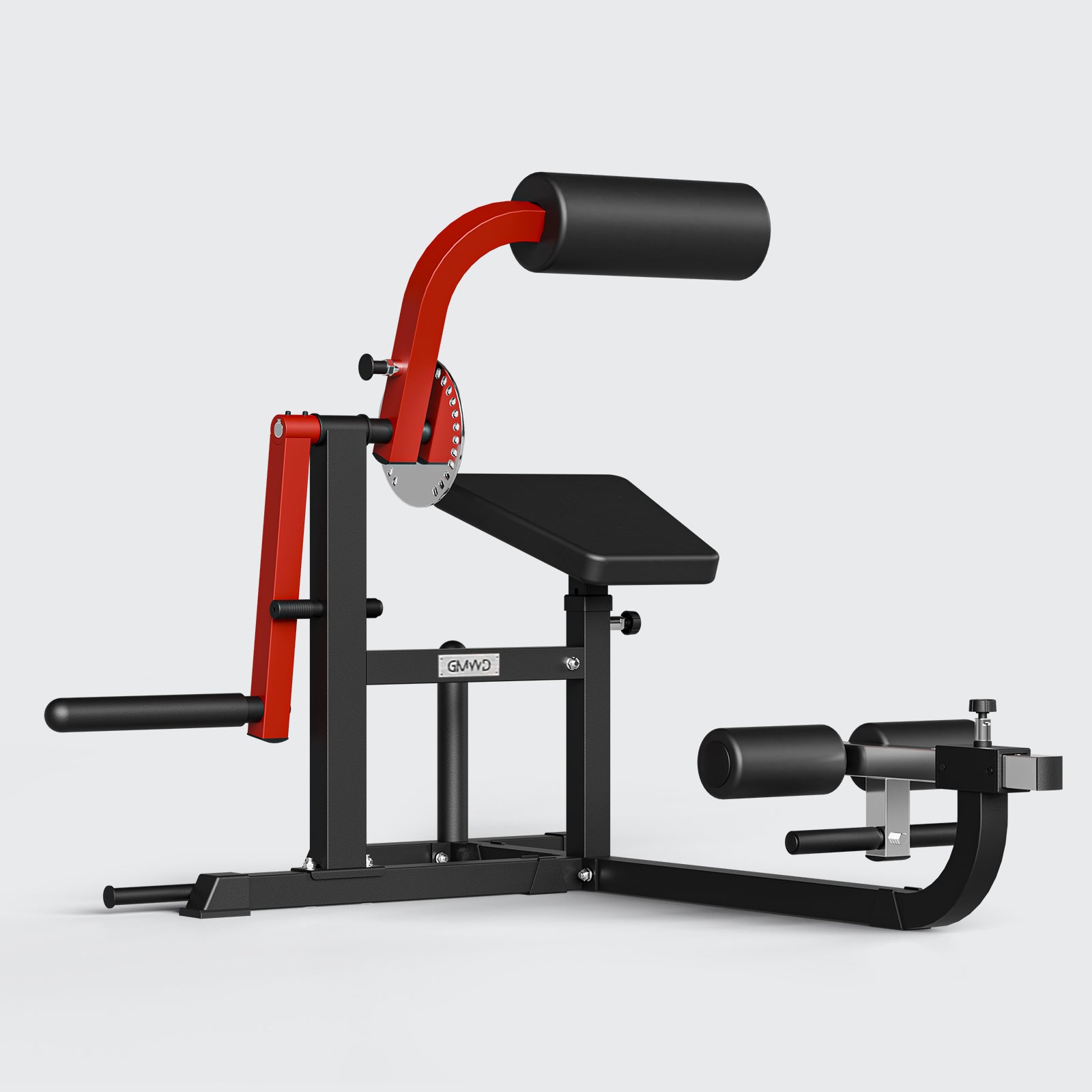
If lower-body strength or muscle growth is a major goal, you can eventually add dedicated machines for movements such as leg presses, leg extensions, leg curls, and hip-focused exercises. You don't need all of them on day one. Build the setup around your training priorities.
How Much Space Do You Need for a Home Gym?
Your home gym doesn't need to take over your house. The right setup depends on the room, ceiling height, equipment dimensions, and exercises you plan to perform.
| Space | Possible Setup |
|---|---|
| Small room | Adjustable bench, free weights, compact cable equipment |
| Small garage | Rack, bench, barbell, plates |
| Standard garage | Rack or Smith machine + cable system + bench |
| Large garage | Rack/Smith machine + functional trainer + lower-body equipment |
| Dedicated gym room | Full strength and accessory setup |
Before buying equipment, measure the room. Don't only measure floor space. Also consider: ceiling height, equipment height, plate loading space, barbell clearance, walking paths, doorways, storage, flooring, and ventilation.
A machine that technically fits the room may still be difficult to use if there isn't enough clearance around it.
Cold-Weather & Garage Setup Essentials
A cold garage or basement can disrupt your fall workouts. Here is how to keep your space practical and comfortable:
- Warm the space: Use a portable space heater 15 minutes before your session to break the chill.
- Avoid freezing steel: Store your daily barbell indoors overnight so it stays at room temperature, or use thin grip gloves for warm-up sets.
- Insulate the floor: Lay down 3/4-inch heavy-duty rubber mats to block cold concrete, protect equipment, and provide traction.
- Keep air moving: Run a low-setting fan or air purifier to prevent humidity build-up without creating a freezing draft.
Build Around Your Training, Not the Other Way Around
One of the biggest mistakes when building a home gym is buying equipment first and figuring out the training plan later.
Start with your program. Ask: What do I want to train?
- If the answer is strength, prioritize equipment that supports your primary compound movements.
- If the answer is full-body training, a functional trainer can expand your exercise selection.
- If your focus is bodybuilding, cable and machine-based accessories may become more important.
- If you are training for a hybrid or conditioning goal, leave enough open space for movement-based work.
Your equipment should support your training—not dictate it.
A Simple Way to Build Your Home Gym in Stages
You don't need to complete the entire gym in one purchase.
Stage 1: Build the foundation
Start with resistance fundamentals:
Stage 2: Add versatility
Expand exercise options with:
- Functional trainer
- Cable attachments
- Adjustable dumbbells
- Additional storage
Stage 3: Add specialized equipment
Add targeted items for specific goals:
- Lower-body machines
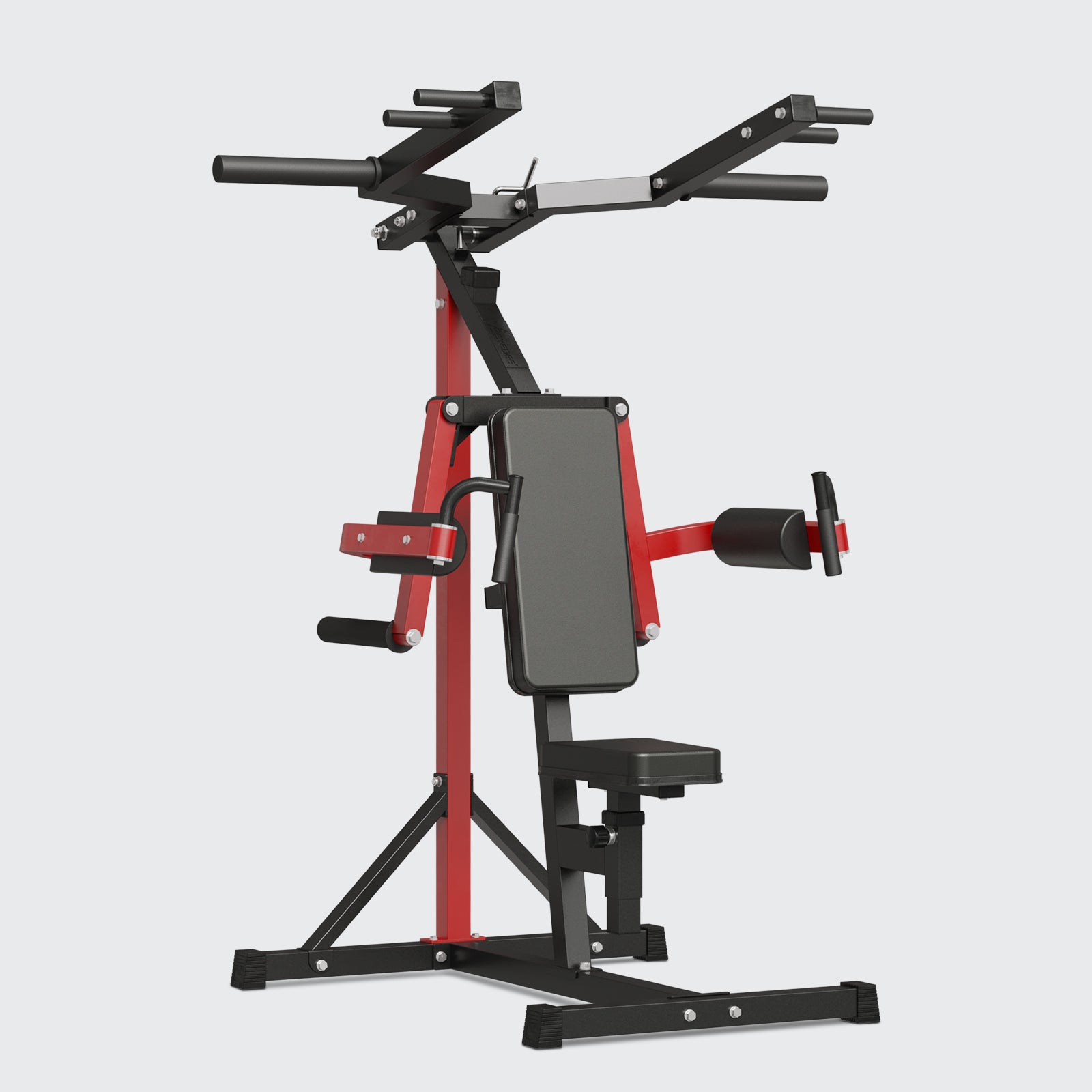
- Upper-body machines
- Dedicated cable stations
- Specialty bars
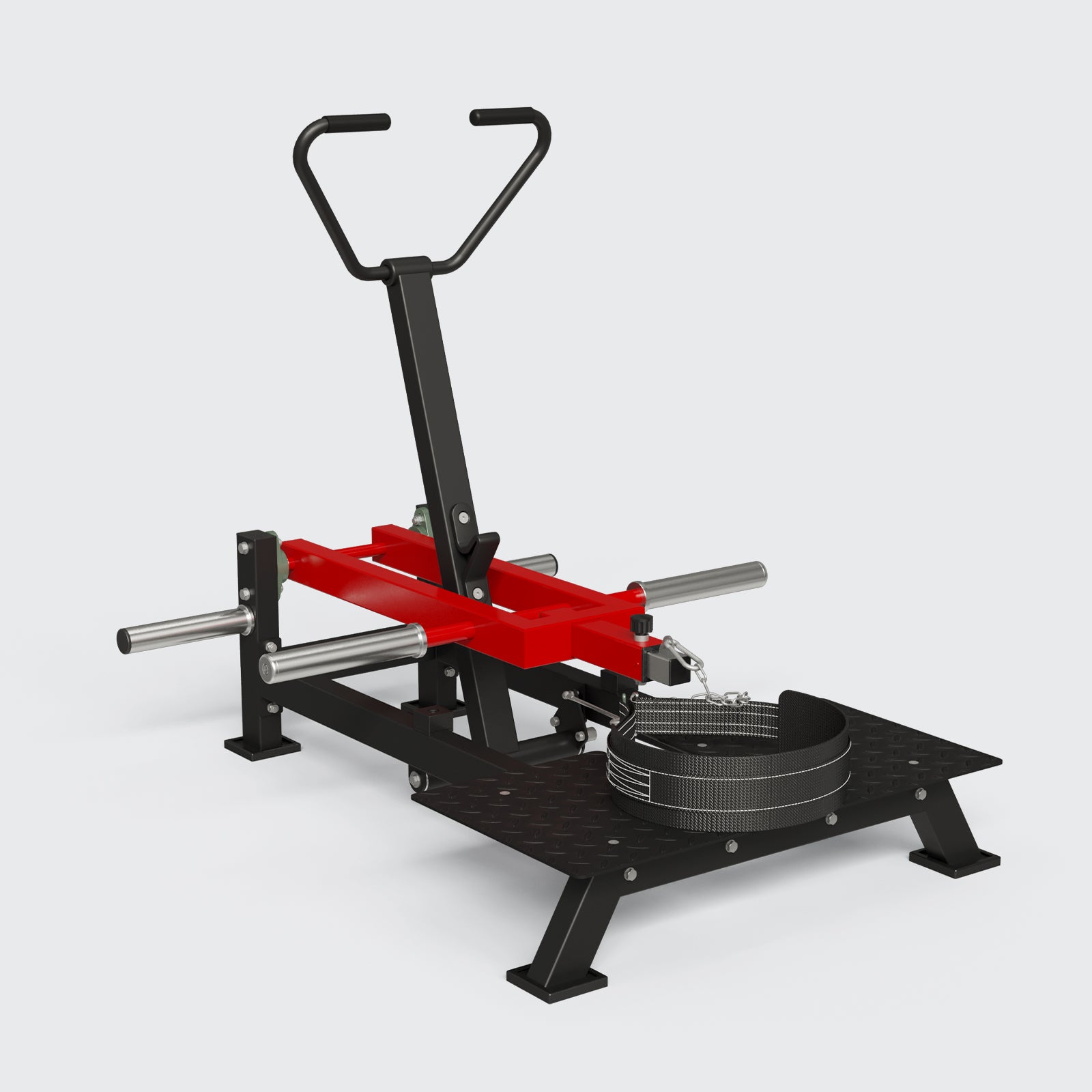
- Conditioning equipment
This approach can make the investment more intentional and prevent your gym from becoming a collection of machines you rarely use.
Is Fall Really the Best Time to Build a Home Gym?
There isn't scientific evidence showing that fall is universally the best season to buy home gym equipment. The better argument is practical.
Fall can bring weather-related barriers, shorter days, changing schedules, and a natural transition toward new-year goals. Research also suggests that physical activity is influenced by seasonal and environmental factors.
If you've already been thinking about building a home gym, these factors can make fall a sensible time to create a reliable indoor training environment.
The real benefit isn't the season. It's reducing the number of obstacles between you and your workout.
Turn Your Fall Training Into a Routine
A home gym won't make you train automatically. The equipment still needs to be used.
Start with a realistic schedule—three or four sessions per week is enough for many strength-training programs—and give each session a purpose.
Sample Weekly Routine
Monday: Upper body | Tuesday: Lower body | Wednesday: Recovery
Thursday: Upper body | Friday: Lower body | Weekend: Rest or optional conditioning
Want a structured structure to follow?
Turn your home gym into a consistent training routine today.
8-Week Fall Arc Workout PlanBuild the Space Before You Need It
The best time to think about fall training isn't after you've already missed three weeks of workouts.
Plan ahead. Measure your space. Define your goals. Choose equipment around your training style. Then build a setup that makes getting your workout done simpler.
Fall may not make fitness easier. But the right environment can make consistency more convenient.
Fall Home Gym FAQ
Is fall a good time to build a home gym?
Fall can be a practical time to build a home gym because weather, shorter days, and changing schedules can make some forms of exercise less convenient.
Does cold weather reduce physical activity?
Research suggests that physical activity varies by season and that poor or extreme weather can act as a barrier for some populations. The effect varies by person and environment.
What is the most important equipment for a home gym?
For a strength-focused setup, a rack or Smith machine, adjustable bench, barbell, and weight plates provide a strong starting point. A functional trainer can add more exercise variety.
How much space do I need for a home gym?
It depends on the equipment and exercises you plan to perform. Always account for the equipment's footprint as well as clearance for loading plates, moving around the machine, and using a barbell safely.
Should I build my entire home gym at once?
Not necessarily. Starting with foundational equipment and adding specialized machines as your training needs become clearer can be a more practical approach.


Leave a comment
All comments are moderated before being published.
This site is protected by hCaptcha and the hCaptcha Privacy Policy and Terms of Service apply.