















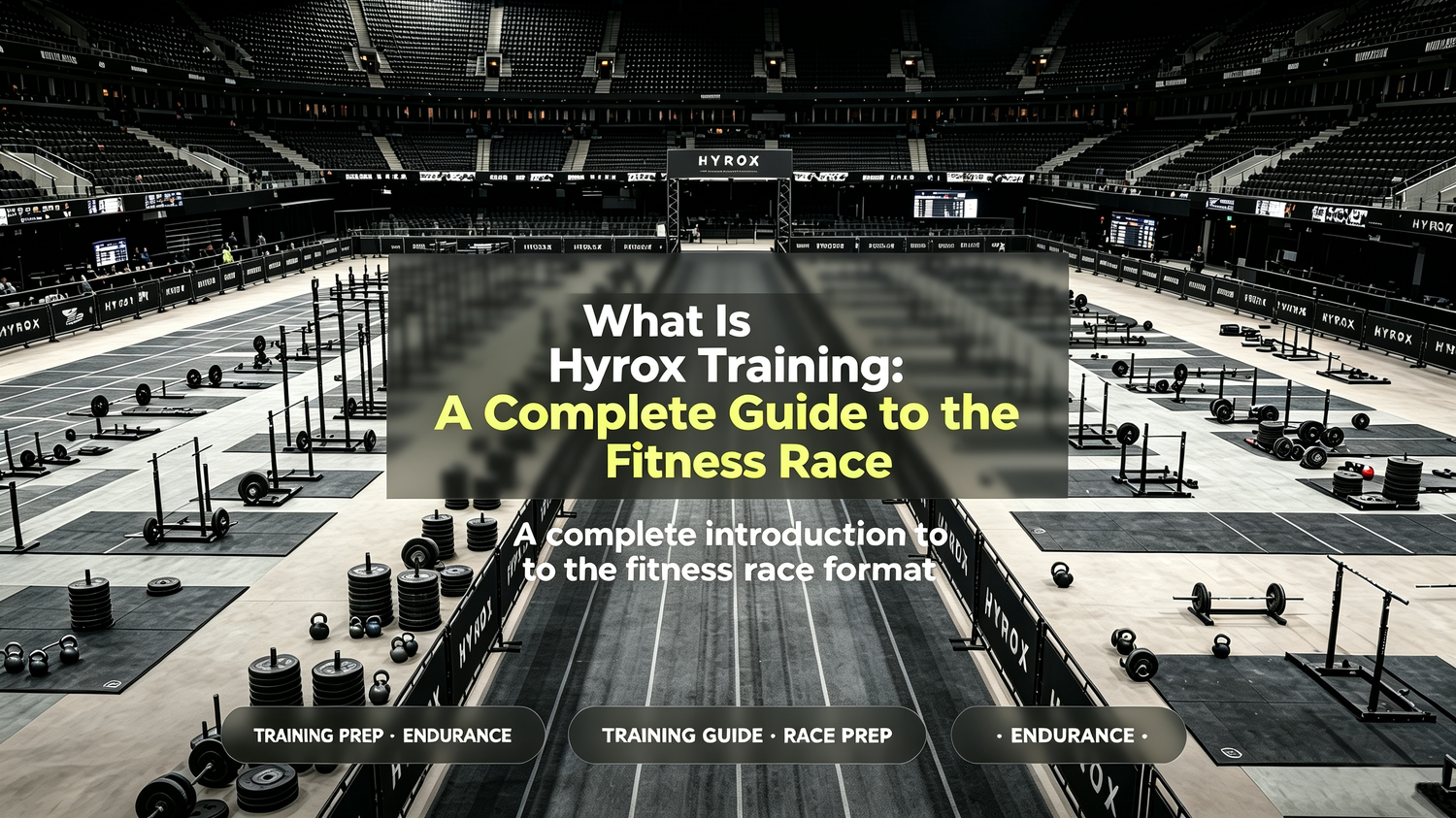
HYROX is a fitness race that throws together running with functional workout stations. The race covers 8 kilometers of running, split into 1 kilometer chunks, with a different workout station after each run. Expect to push sleds, carry weights, row, and take on exercises that hit both your strength and endurance—sometimes all at once.
This race format is identical at every HYROX event worldwide. That means you can dial in your training to the exact stations and distances you'll face on race day. No guesswork—just targeted prep for what's coming.
If you're gearing up for your first event or just curious about what sets HYROX apart from other competitions, it helps to get a clear sense of what the training really looks like. This guide breaks down the stations, the running, and how to piece together a training plan that matches your current fitness level (whatever that is).
The HYROX Race Format And Training Demands
HYROX always sticks to the same format, so you know exactly what's in store. Your training should reflect this fixed structure, which means you'll need running endurance, strength, and honestly, a decent amount of grit.
Race Structure And Standardized Workouts
Every HYROX race follows the same setup, wherever you compete. You run 8 kilometers in total, split into eight 1-kilometer runs. Between each run, there’s one of eight functional stations, always in the same order.
The stations are:
- SkiErg
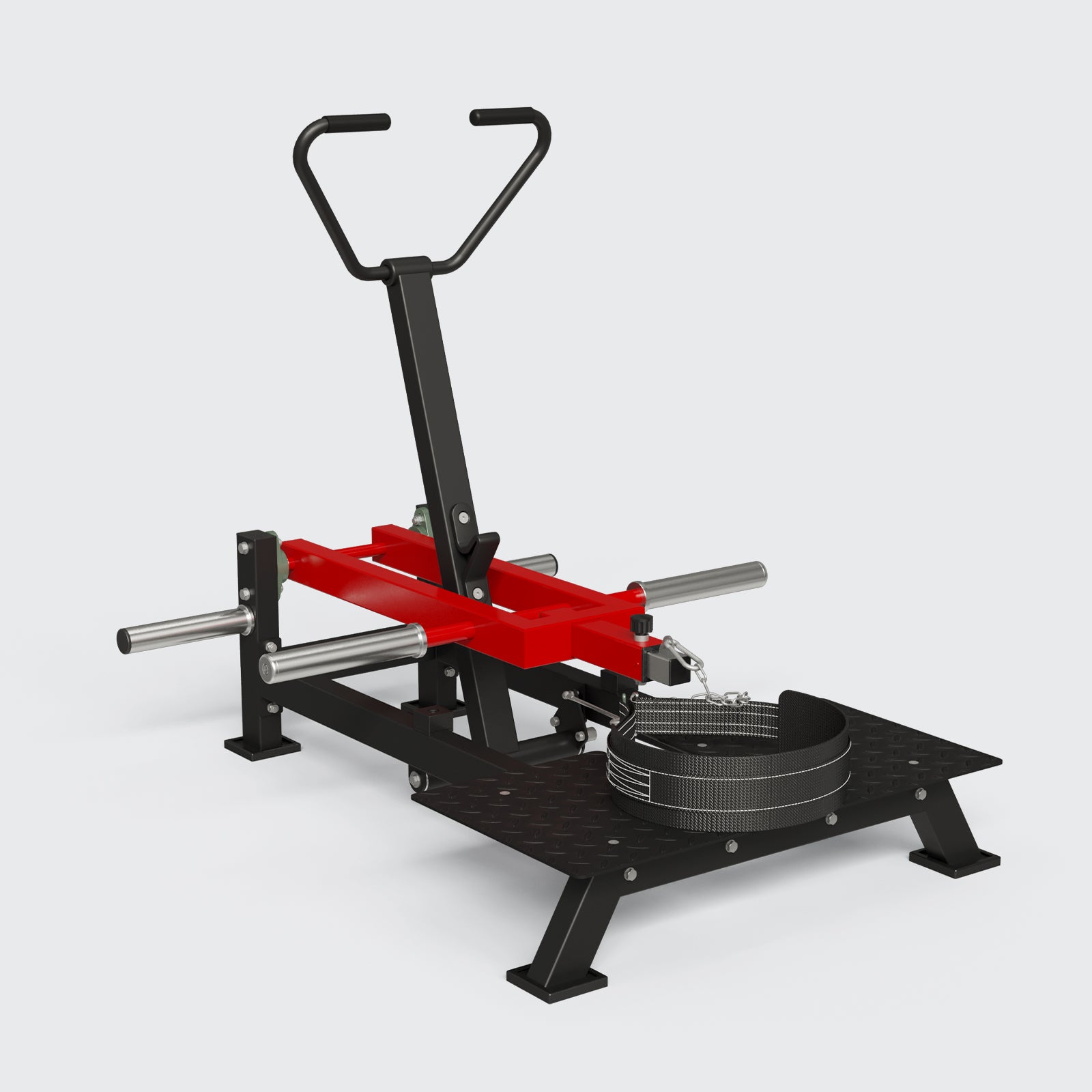
- Sled push
- Sled pull
- Burpee broad jumps
- Rowing
- Farmers carry
- Sandbag lunges
- Wall balls
Weights and distances will change depending on your age group and division (open, pro, or doubles). Since the format never changes, you can train specifically for the stations you'll hit on race day.
Key Physical Capacities To Develop
Your training should develop four main capacities. Aerobic endurance is crucial, since running takes up half the race. You’ve got to keep a steady pace for all 8 kilometers, even when your legs are pretty much toast from the strength stations.
Muscular endurance is next. Sled pushes, farmers carries, and lunges burn in a way that’s different from just moving heavy weight once or twice.
You'll also need strength and power for things like pulling sleds, wall balls, and hauling heavy stuff around. And then there’s work capacity—that ability to bounce from running to stations without dragging your feet. If you only focus on one of these, you’ll probably feel it on race day.
Building An Effective HYROX Training Plan
A solid HYROX training plan blends running, functional movement, strength work, and recovery in a way that actually feels like the race itself. You need a weekly routine that builds your fitness over time but still gives you space to recover and adapt.
Running And Functional Fitness Sessions
Your plan should revolve around running, since you’ll be logging eight 1 km runs between stations. Practice running on tired legs, not just when you’re fresh.
One good approach? Compromised running: run 1 km, then jump straight into a station drill like sled pushes or lunges. It’s a brutal but effective way to teach your legs to work when they’re already gassed—just like during the race.
Try for two or three running sessions per week at first, and add more as your base improves. Mix up the paces a bit:
- Easy runs for general endurance
- Interval runs to boost your speed
- Tempo runs at race pace so you’re comfortable pushing when it counts
Pair these with station practice at least once or twice weekly. Focus on nailing your form before worrying about speed, especially for things like burpee broad jumps, wall balls, and rowing.
Strength, Recovery, And Event Preparation
Strength training really carries you through every station in the race, so aim for two sessions a week that hit your legs, back, and core. Things like squats, deadlifts, and carries—they’re the backbone for building the raw power you’ll need for sleds and lunges.
Don’t underestimate recovery. Sleep, staying hydrated, and actually taking rest days—these are what let your body bounce back so you can push hard again next time.
As race day creeps up, it’s smart to start simulating the event itself. Go through the full sequence of stations in order, try to keep the same pace you’ll want on race day, and let your body get used to the whole routine.
That last week? Taper things down. Cut back on volume but keep a bit of intensity in there, so you hit the start line feeling fresh—hopefully a little nervous, but ready.

Leave a comment
All comments are moderated before being published.
This site is protected by hCaptcha and the hCaptcha Privacy Policy and Terms of Service apply.