






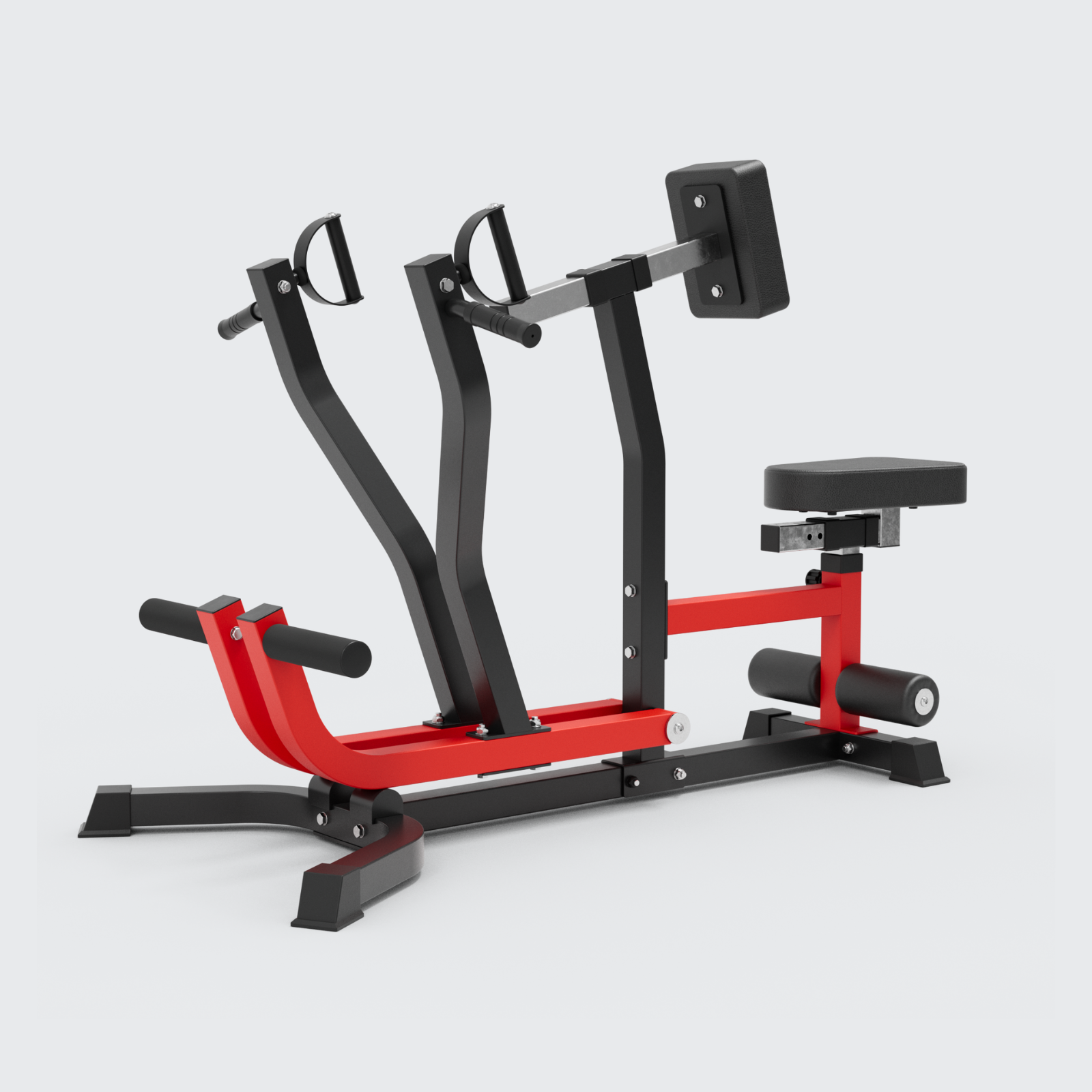
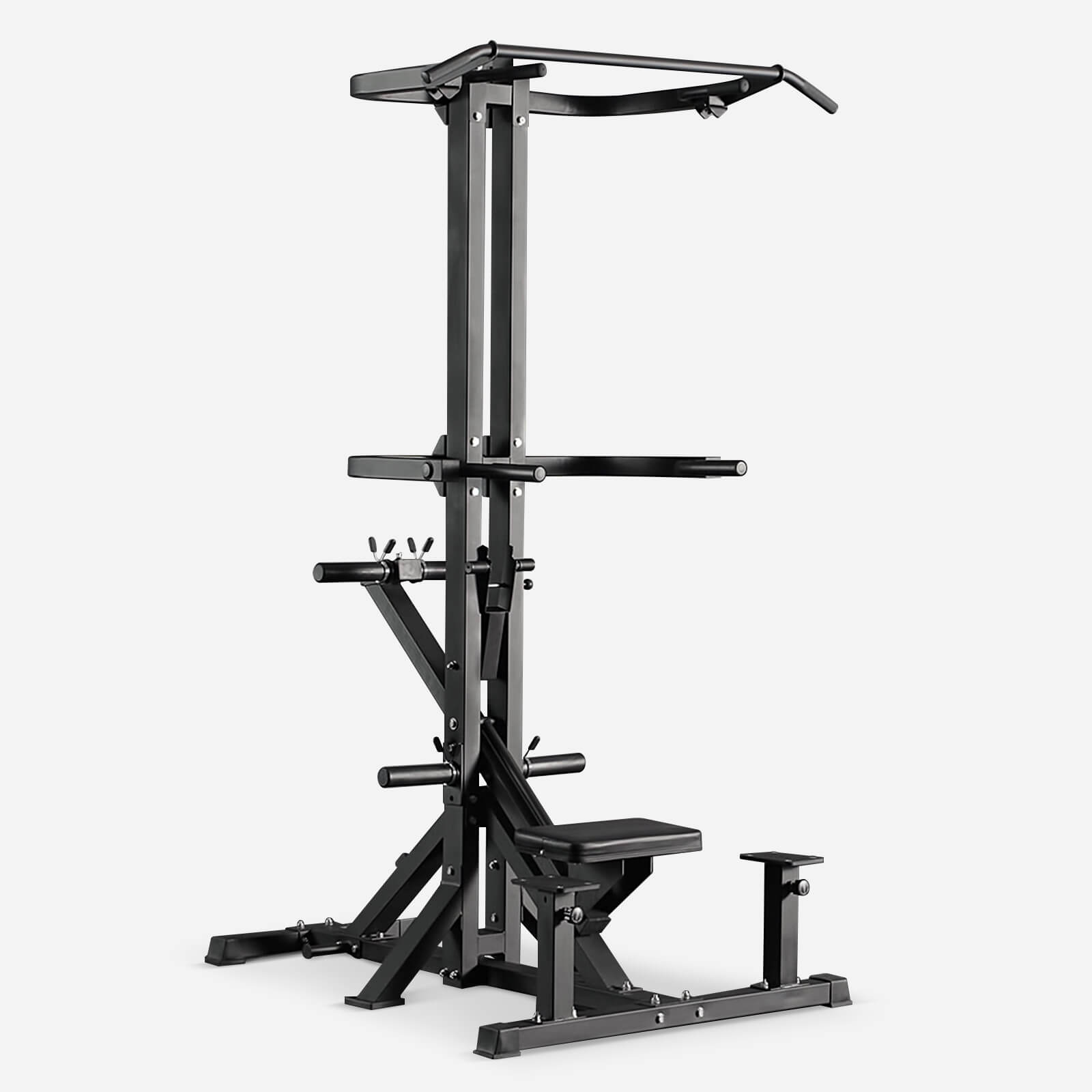


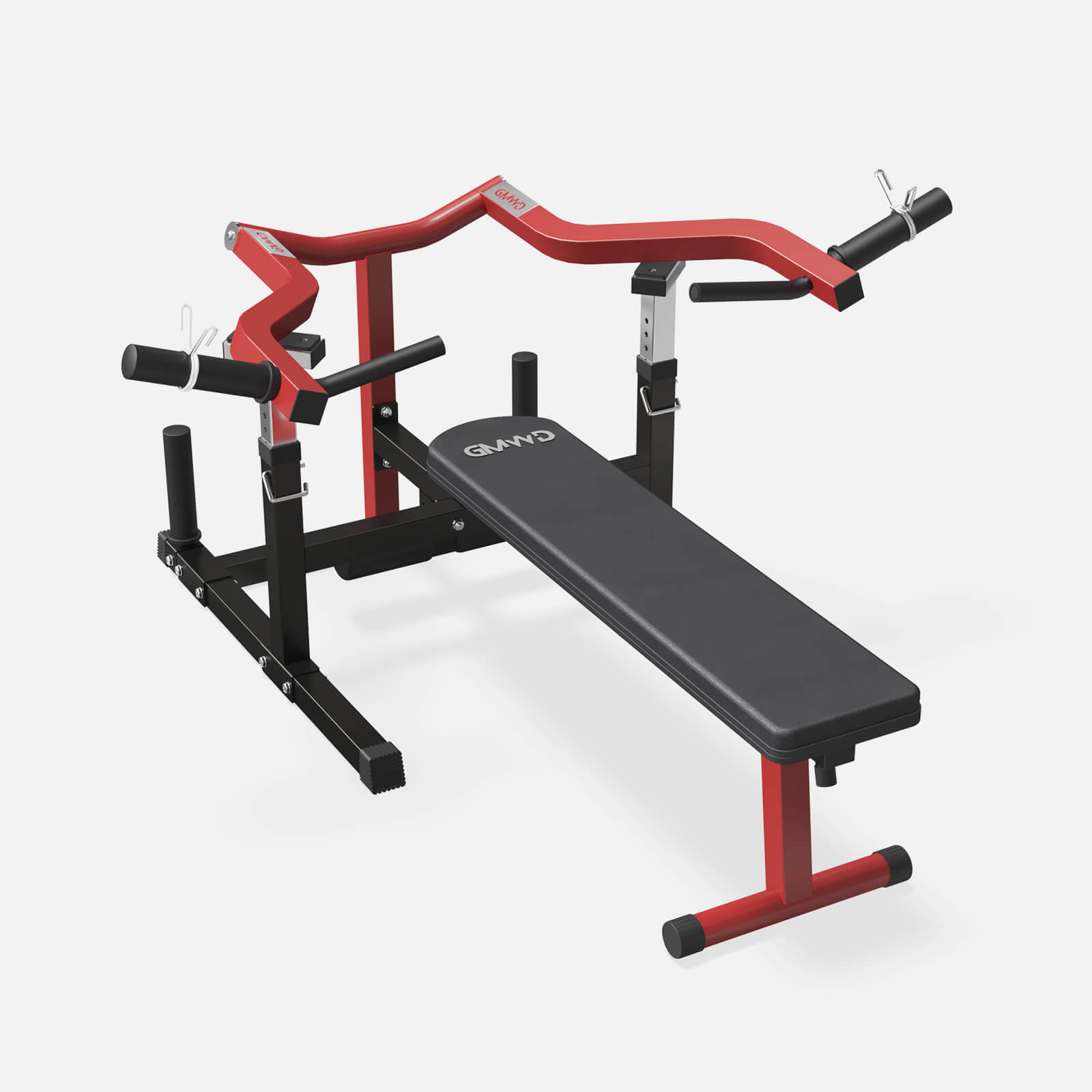
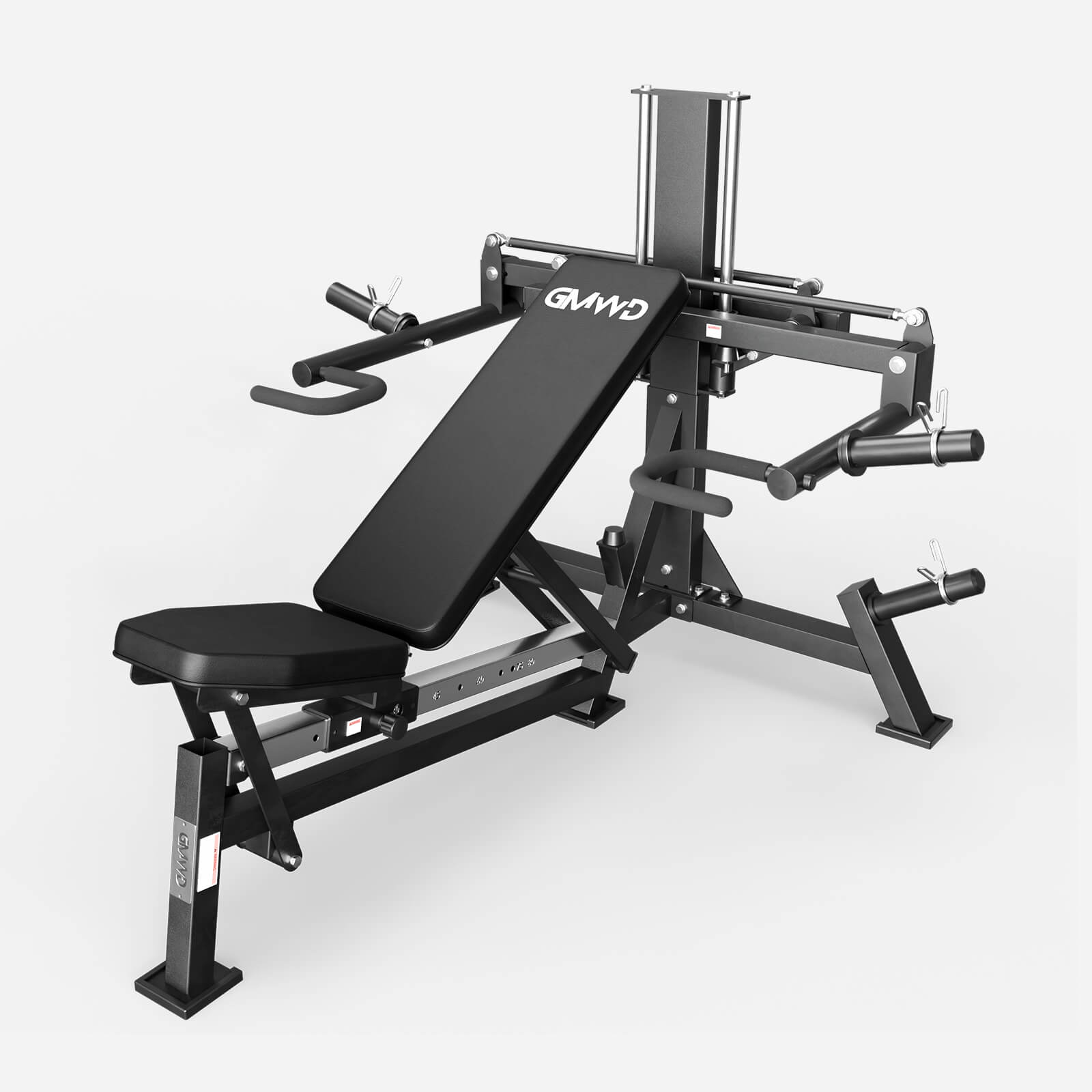


The leg press machine is one of the best tools you can use to build stronger legs at the gym. It lets you work your quads, hamstrings, and glutes safely without putting stress on your back like squats sometimes do.
But when you walk into a gym or start shopping for equipment, you might notice that not all leg press machines look the same.
Different types of leg press machines work in unique ways, with the main ones being:
- Leg Press Hack Squat Machines
- Horizontal leg press
- 45-degree leg press
- Vertical leg press
- Seated leg press
- Iso-Lateral leg press
- Compact leg press
Each type has its own setup and angle that changes how the exercise feels and which muscles get worked the most.
Understanding these different machines helps you pick the right one for your goals and workout space. Whether you're training at a commercial gym or setting up equipment at home, knowing what makes each type different will help you get better results from your leg workouts.
Types of Leg Press Machines
Leg press machines come in three main designs that change how you position your body and push the weight. Each type works your quads, hamstrings, glutes differently based on the angle and movement pattern.
1. Leg Press Hack Squat Machines
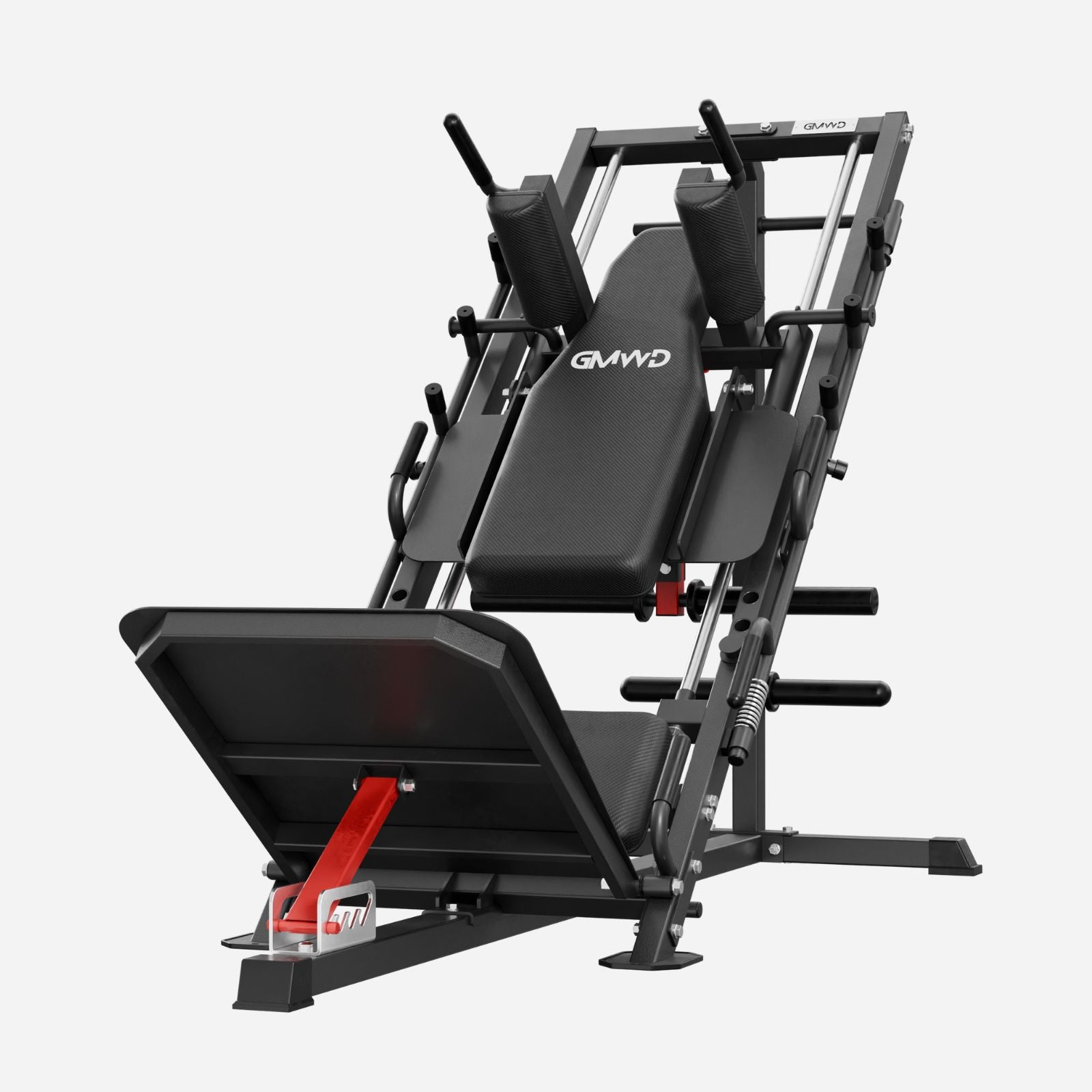
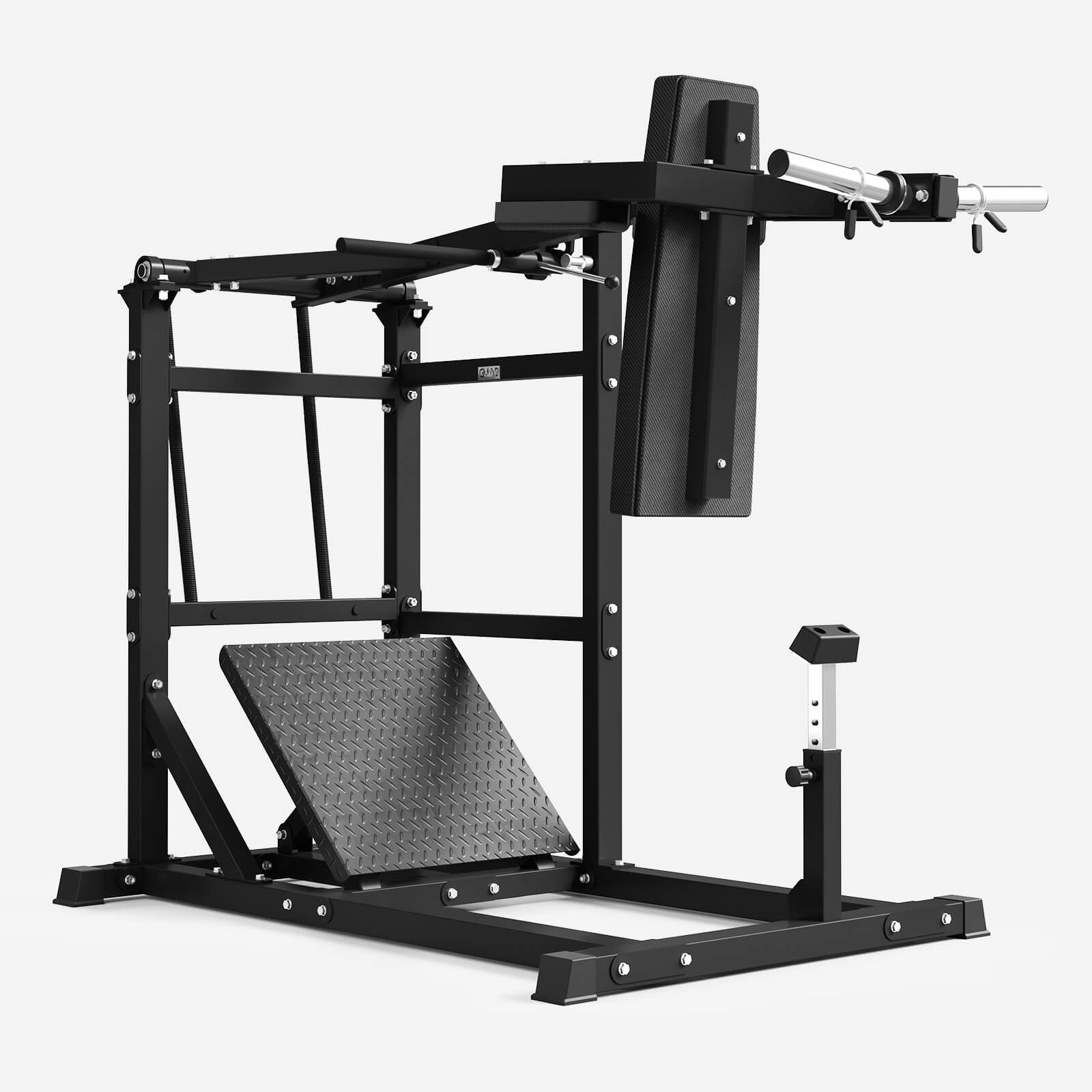
If you’re looking to build serious lower-body strength without the stability struggles of a barbell, the leg press hack squat machine is a total game-changer. It essentially bridges the gap between a traditional leg press and a heavy squat. Instead of balancing a bar on your neck, you’re locked into a padded platform on an angled track, driving the weight up along a smooth, guided rail.
What really makes this Arete™ 3-In-1 Leg Press Hack Squat Machine a favorite in the home gym is how it saves your lower back. Because your shoulders and spine are fully supported, you can focus entirely on pushing your limits rather than worrying about your form collapsing. It’s a much more controlled way to target your quads, glutes, and hamstrings.

Key benefits include:
- You get the functional movement of a squat but with full back and shoulder padding to keep you stable.
- It drastically reduces the shear stress on your lower spine compared to traditional free-weight squats.
- The fixed track acts like a guide, making it much harder to "cheat" or fall out of alignment.
- Since balance isn't an issue, it’s a safer way to train for hypertrophy or hit heavy personal bests without needing a spotter.
Whether you're a beginner learning the ropes or an experienced lifter trying to add mass, this hybrid machine offers a level of safety and precision that’s hard to beat with free weights alone.
2. Horizontal Leg Press
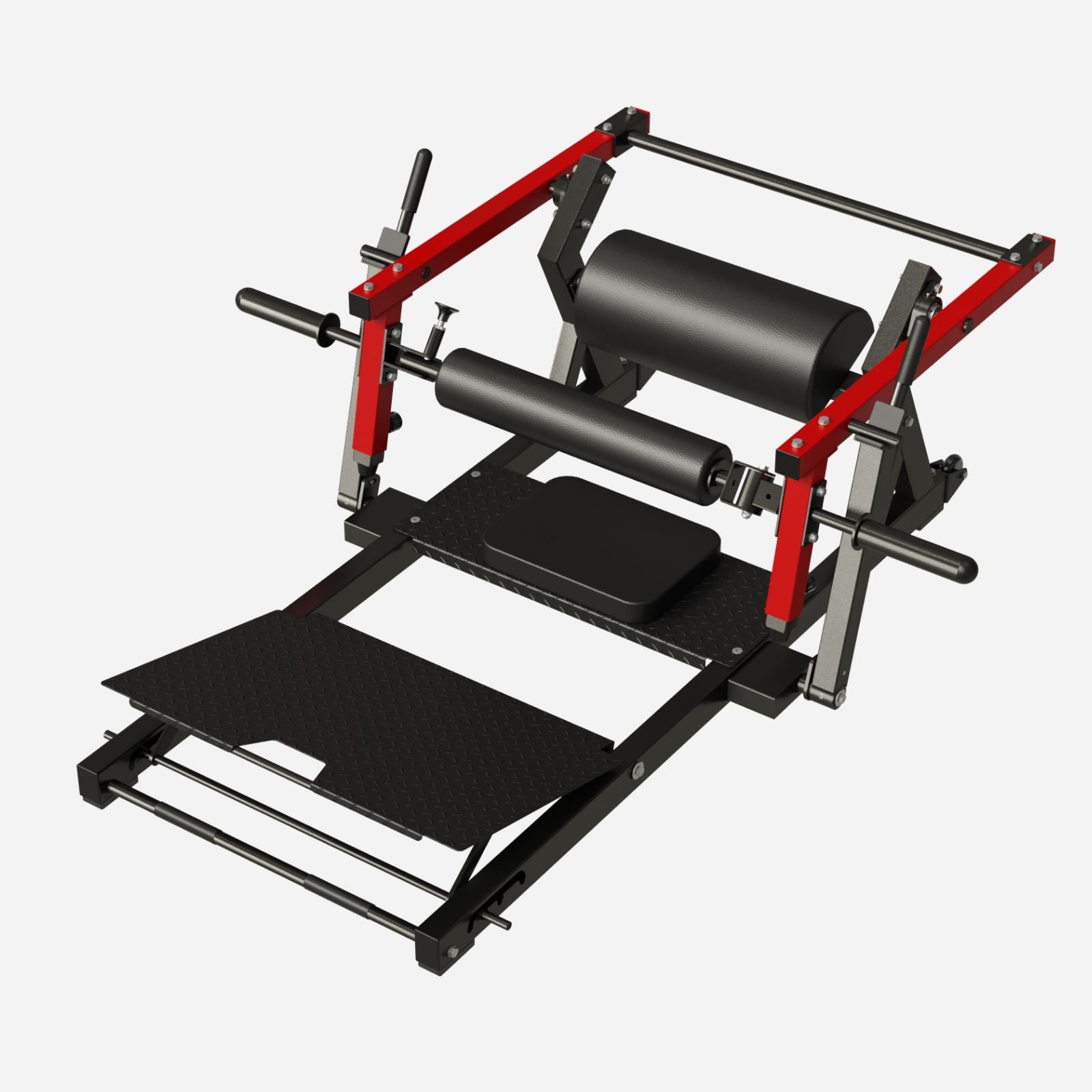
The horizontal leg press positions you in a seated or reclined position with your legs extending straight out in front of you. You push the weight plate or sled directly forward rather than at an angle.
This design keeps your back fully supported against a padded backrest throughout the movement. The horizontal position reduces stress on your lower back compared to other leg press types. You'll find this machine takes up more floor space because the sled travels horizontally.
Key benefits include:
- Easy entry and exit for people with mobility issues
- Less pressure on your spine during heavy lifts
- Good option if you have lower back concerns
The resistance stays consistent throughout the entire range of motion. Many commercial gyms have this type because it works well for beginners who need extra back support.
3. 45-Degree Leg Press
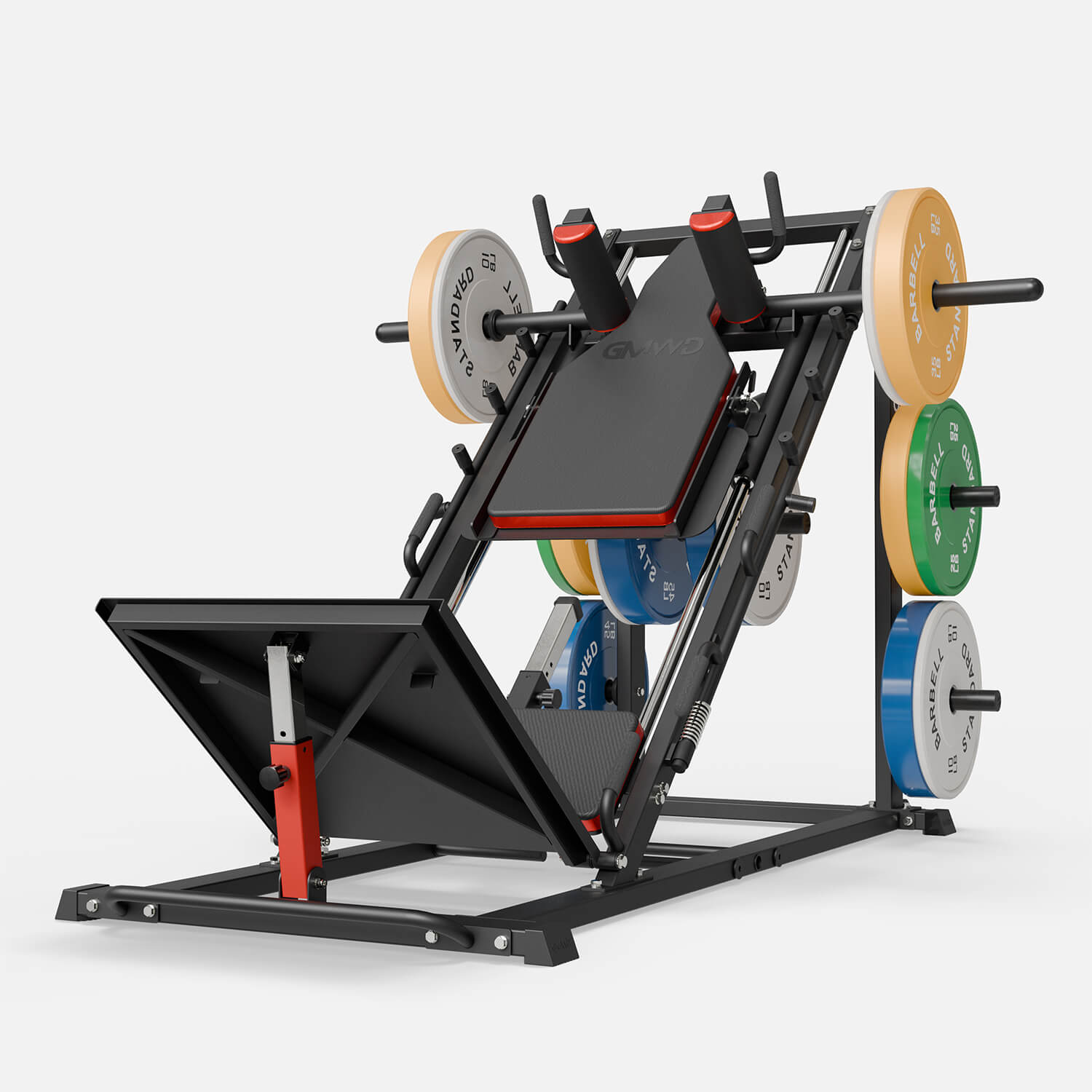
The 45-degree leg press is the most common machine you'll see in gyms. You sit in a reclined seat while pushing a weighted sled up and away from your body at a 45-degree angle.
This angled design creates a natural pushing motion that many people find comfortable. The incline lets you load more weight plates onto the sled than other leg press types. Your back stays pressed against a padded seat that typically adjusts to different angles.
Key benefits include:
- Allows heavier weight loading compared to other leg press types
- Provides a natural and comfortable pushing angle
- Supports a full range of motion with good joint safety
- Effective for building leg strength and muscle mass
- Includes safety stops for added training security
- More space-efficient than horizontal leg press machines
The 45-degree angle provides a good balance between effectiveness and safety. You can move through a full range of motion without putting excessive strain on your joints. This machine works well for building leg strength and muscle mass.
Most 45-degree machines include safety stops that catch the sled if you can't complete a rep. The compact footprint makes it practical for home gyms with limited space.
4. Vertical Leg Press
The vertical leg press positions you lying flat on your back while pushing weight straight up toward the ceiling. Your legs move perpendicular to the floor throughout the entire exercise.
This machine requires the most core stability of all leg press types. You need to keep your body still while pressing the platform directly overhead. The vertical movement pattern closely mimics a squat but with your back completely supported.
Key benefits include:
- Requires less floor space than other leg press machines
- Closely mimics squat movement while keeping the back supported
- Engages core muscles for better body stability
- Suitable for advanced users seeking higher intensity
- Effective for lower-body strength training in small gyms
The vertical design takes up minimal floor space, which makes it popular for small gyms. You'll typically lift less total weight on this machine compared to the 45-degree version. Getting in and out of position requires more effort and coordination than other types.
5. Iso-Lateral Leg Press
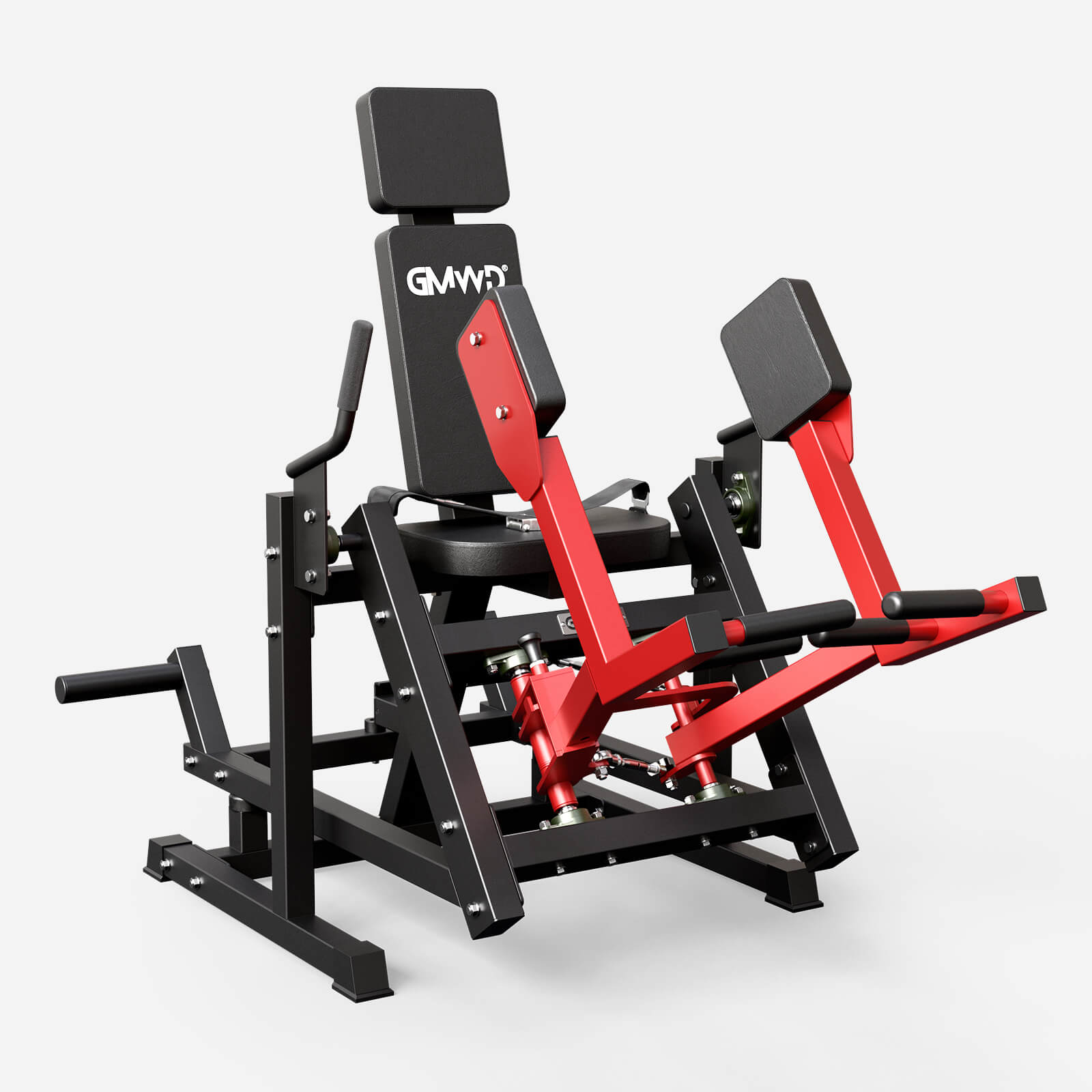
The iso-lateral leg press lets you work each leg separately or together. Each leg has its own weight stack or resistance system that moves independently. This means you can press with one leg at a time or use both legs together.
This design helps you find and fix strength differences between your left and right leg. If one leg is weaker, it can't rely on the stronger leg to help move the weight. You can also adjust the weight differently for each side.
Key benefits include:
- Trains each leg independently to correct muscle imbalances
- Allows different weight settings for left and right legs
- Reduces compensation from the stronger leg
- Useful for injury recovery and rehabilitation
- Improves balance and symmetrical leg development
The independent movement patterns make this machine useful if you're recovering from an injury. You can work your healthy leg at full strength while using lighter weight on your injured leg. Many athletes use iso-lateral machines to improve balance and prevent one leg from doing more work than the other.
6. Seated Leg Press
The seated leg press positions you upright in a chair-like seat while you push a platform away from your body. Your back stays against a padded backrest in a more vertical position compared to angled machines. The foot platform usually sits directly in front of you at chest or shoulder height.
This upright position puts less pressure on your lower back. It's a good choice if you have back concerns or want to focus purely on leg strength. The seated design also makes it easier to get on and off the machine, especially if you have limited mobility.
Key benefits include:
- Provides strong back support with an upright posture
- Reduces lower back strain compared to angled machines
- Easy to enter and exit for users with limited mobility
- Requires less floor space than 45-degree leg press machines
- Suitable for beginners and rehabilitation training
Most seated leg press machines take up less floor space than 45-degree models. The weight stack or plates move horizontally rather than at an angle.
7. Compact Leg Press
Compact leg press machines are built to fit in smaller spaces without sacrificing leg training quality. These machines usually measure 4 to 6 feet in length instead of the 8 to 10 feet that standard models require. They work well for home gyms, apartment fitness rooms, or smaller commercial facilities.
Most compact versions use a vertical or seated design to reduce their footprint. The weight capacity typically ranges from 300 to 600 pounds, which is enough for most people but less than full-size commercial machines. Some models fold up or have a smaller frame to save even more space.
Key benefits include:
- Designed for small spaces such as home gyms and apartments
- Takes up less floor space than full-size leg press machines
- Provides effective lower-body training in a compact frame
- Suitable for light to moderate strength training
- Easier to move and position than large commercial machines
The trade-off is that compact machines may have a shorter range of motion or less weight capacity. But they still effectively work your quads, hamstrings, and glutes in a smaller package.
Leave a comment
All comments are moderated before being published.
This site is protected by hCaptcha and the hCaptcha Privacy Policy and Terms of Service apply.