










People often assume that building muscle and losing fat at the same time just isn’t doable. Actually, it’s not as complicated as it sounds. You can build muscle and lose fat at the same time by mixing strength training, eating enough protein, and following a smart eating plan. This is what’s known as body recomposition.
Body recomposition is all about changing what you’re made of—less fat, more muscle—instead of obsessing over the number on the scale. You might not drop a ton of weight, but your body will look leaner and you’ll feel stronger. Suddenly, your clothes start fitting differently as muscle takes the place of fat.
Here, I’ll lay out the basics and toss in some practical tips you can actually use. You’ll see how to eat, train, and recover in ways that let you chase both goals at once—no need to pick just one.
Core Principles for Building Muscle and Losing Fat
Building muscle while losing fat calls for a smart mix of nutrition, strength training, and some cardio—but not too much cardio. The trick is to get enough protein for muscle growth while nudging your body to use stored fat for fuel.
Understanding Body Recomposition
Body recomposition means you’re losing fat and gaining muscle at the same time, so your body changes even if the scale doesn’t budge much. It’s a different game than just trying to lose weight.
If you’re new to lifting or carrying some extra weight, your body can use stored fat to help build muscle—especially with the right plan.
The main thing is to keep stimulating muscle protein synthesis with regular workouts and keep your calories in check. You don’t have to starve yourself. In fact, a small calorie deficit—or even eating at maintenance—can work if your training is on point.
Importance of Nutrition and Protein Intake
Protein really is the backbone here. Aim for 1 to 1.5 grams per pound of body weight every day. Sounds like a lot, but it’s worth it.
Here’s why high protein helps:
-
It helps your muscles grow and recover after you work out
-
Keeps you feeling full, so you’re less likely to snack
-
Takes more energy to digest than carbs or fats
-
Helps hang on to muscle while you lose fat
Calories still matter. Eat a bit less than you burn to lose fat, but don’t cut so much that you stall your muscle gains. Prioritize protein, then fill in with healthy carbs and fats.
And don’t forget water. Hydration helps with your workouts and keeps your metabolism humming along.
Strength Training Strategies
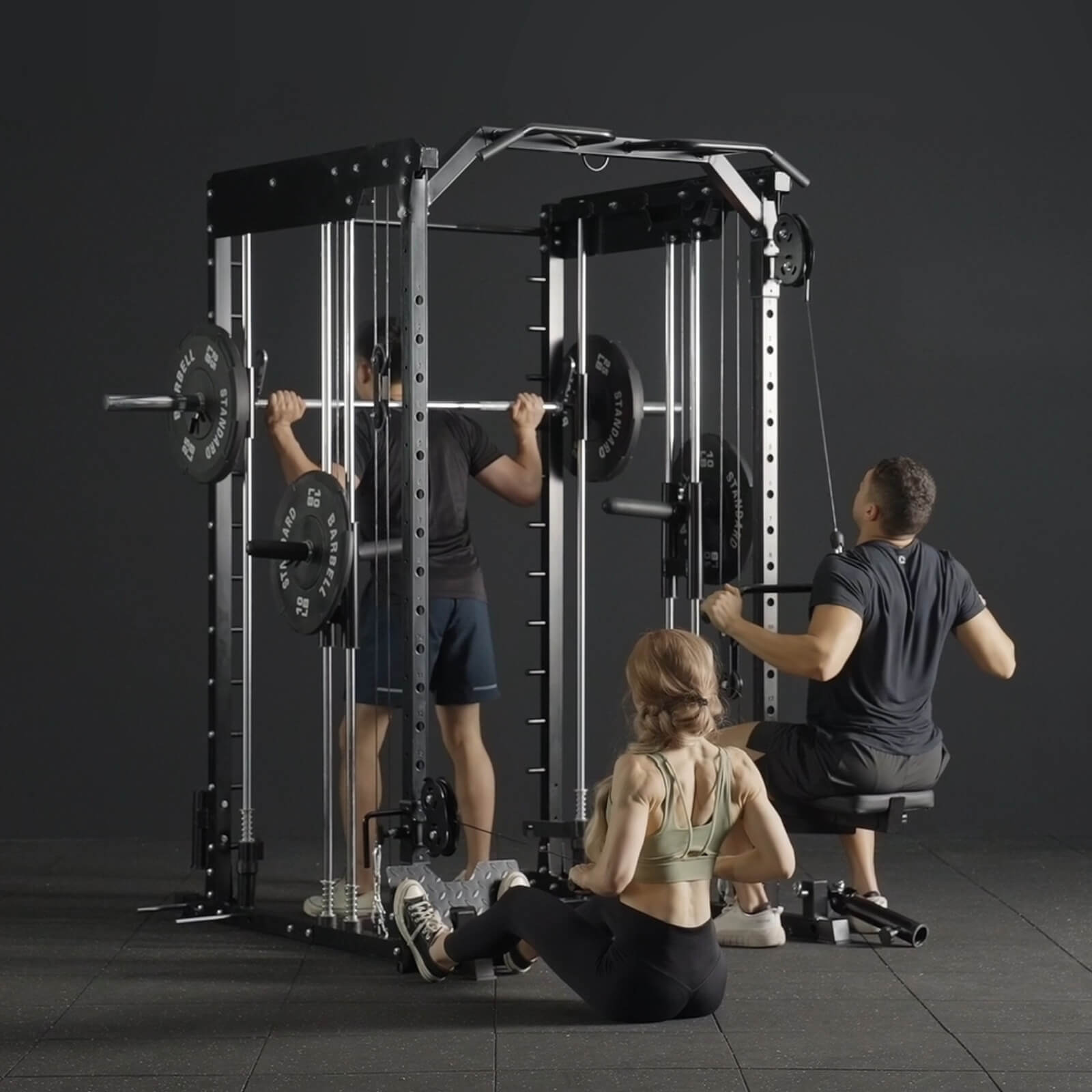
If you want to change your body, strength training has to be your main thing. Lifting weights 3-4 times a week is the sweet spot for most people.
Stick with compound moves like squats, deadlifts, bench presses, rows, and pull-ups. These hit several muscle groups at once and burn more calories than little isolation moves.
Don’t forget about progressive overload—that just means you’re slowly making things harder, whether it’s more weight, more reps, or extra sets. Keep a log so you know when it’s time to bump things up.
Choose weights that are tough for you. The last few reps should be hard, but your form shouldn’t fall apart.
Balancing Cardio for Fat Loss
Cardio’s useful for burning fat, but too much can mess with muscle building. You want enough to help with fat loss, but not so much that you’re always tired or sore.
HIIT (high-intensity interval training) is a solid choice. It burns a lot of calories fast and doesn’t eat up your whole day. Try 20-30 minute HIIT sessions, 2-3 times a week.
Walking or other low-intensity cardio is great too. It’s easy on your body and won’t wreck your recovery. Do it daily if you like.
Try to do cardio after lifting or on separate days. That way, you’re fresh for your strength workouts—which matter most for changing your body.
Practical Tips to Maximize Progress
Getting results with body recomposition is about tracking the right stuff, letting your body recover, and sticking with habits long enough to see change. These things really make the difference between spinning your wheels and actually seeing progress.
Tracking Progress and Adjusting Plans
Don’t just watch the scale. Take progress photos every couple of weeks, same lighting and angles. Measure your waist, hips, arms, and thighs monthly.
Write down your workouts and the weights you use. If you’re getting stronger on big lifts like squats and bench, you’re probably building muscle. Weigh yourself weekly, and look at the four-week average instead of stressing over daily ups and downs.
Pay attention to how you feel in the gym too. If you’re dragging for a couple weeks or your lifts are slipping, maybe you need more food or carbs. If fat loss stalls for a month, try dropping 100-200 calories per day.
Try to measure and take photos at the same time each day since your weight can swing a lot from water, food, or stress.
Prioritizing Recovery and Sleep
Muscles grow when you rest, not while you’re lifting. Shoot for 7-9 hours of sleep most nights. Bad sleep boosts cortisol, makes you hungrier, and just kills your progress.
Take at least one full rest day each week. On those days, light walking or stretching is fine, but skip hard workouts. Every 4-6 weeks, plan an easier week to let your body catch up.
Find ways to manage stress—whatever works for you. High stress can slow fat loss and muscle growth. Drink plenty of water, especially around your workouts.
If you’re always sore, your performance is tanking, or you can’t sleep, your body’s probably telling you to back off a bit.
Staying Motivated for Long-Term Success
Body recomposition isn't a quick fix—it takes months, not just a few weeks. Try setting small, doable goals every month or so, like bumping your squat up by five pounds or dropping an inch from your waist. Little wins matter.
Honestly, having a workout buddy or even joining some online group can make a world of difference. Post your progress pics, hype each other up, and don't be shy about celebrating the stuff that feels minor. Prepping meals ahead of time? It'll save you from those "what do I eat now?" moments when you're starving.
Stick with a routine that's simple enough for real life. Missing a workout or having a rough day doesn't mean you've blown it. Just move on—your next meal or session is a fresh start, seriously, no need to beat yourself up.
And hey, notice the wins that aren't about the scale—like squeezing into jeans you haven't worn in ages, someone tossing you a compliment, or just having more energy. Sometimes those things are what actually keep you going.
Leave a comment
All comments are moderated before being published.
This site is protected by hCaptcha and the hCaptcha Privacy Policy and Terms of Service apply.