






Leg curls are a go-to move for building stronger legs, but honestly, a lot of people aren’t totally sure which muscles they’re really hitting. The leg curl mainly targets your hamstring muscles—that’s the biceps femoris, semitendinosus, and semimembranosus in the back of your thigh. These muscles are key for bending your knee and extending your hip, whether you’re just walking around or doing something more intense.

Sure, the hamstrings get most of the work, but your calves chip in too, and your core has to stay switched on to keep everything in line. No matter if you’re using a lying, seated, or standing leg curl machine, you’re isolating these muscles in a way that’s tough to match with other exercises. Knowing exactly what’s working can help you get more out of your training, right?
This guide digs into which muscles are firing during leg curls and why it’s worth adding them to your routine. There’s also some advice on technique for different leg curl styles, plus a few tips to help you squeeze the most out of this classic lower-body move.
Muscles Worked by Leg Curls
Leg curls hit several muscles in your lower body, with the hamstrings taking center stage. You’ll also get some help from your calves, glutes, and core, which all help keep you steady during each rep.
Primary Muscles Targeted
-
Your hamstrings do most of the heavy lifting during leg curls. This muscle group is made up of three muscles running down the back of your thigh.
-
The biceps femoris sits on the outer side, while the semitendinosus and semimembranosus are on the inside. They all team up during the curl.
As you curl your legs, these muscles contract to bend your knee—this is called knee flexion. They also help with hip extension, or moving your thigh behind you.
Leg curls really isolate the hamstrings more than most other leg exercises, so if you want to build strength and size there, it’s a solid choice.
Secondary Muscles Engaged
-
Your calf muscles, especially the gastrocnemius, get involved too. Since this muscle crosses both your ankle and knee, it fires up when you bend your knee.
-
Your glutes help stabilize you, keeping your hips in the right spot. The core? It’s working too, making sure you don’t wobble around on the machine.
-
Even your quads (front of the thigh) pitch in as stabilizers, mainly controlling the lowering part of the movement, though they’re not the main focus here.
Leg Curl Machine Variations and Muscle Activation
Different machines mix things up a bit. There was a study in 2021 that found seated leg curls might lead to more hamstring growth than lying ones.
-
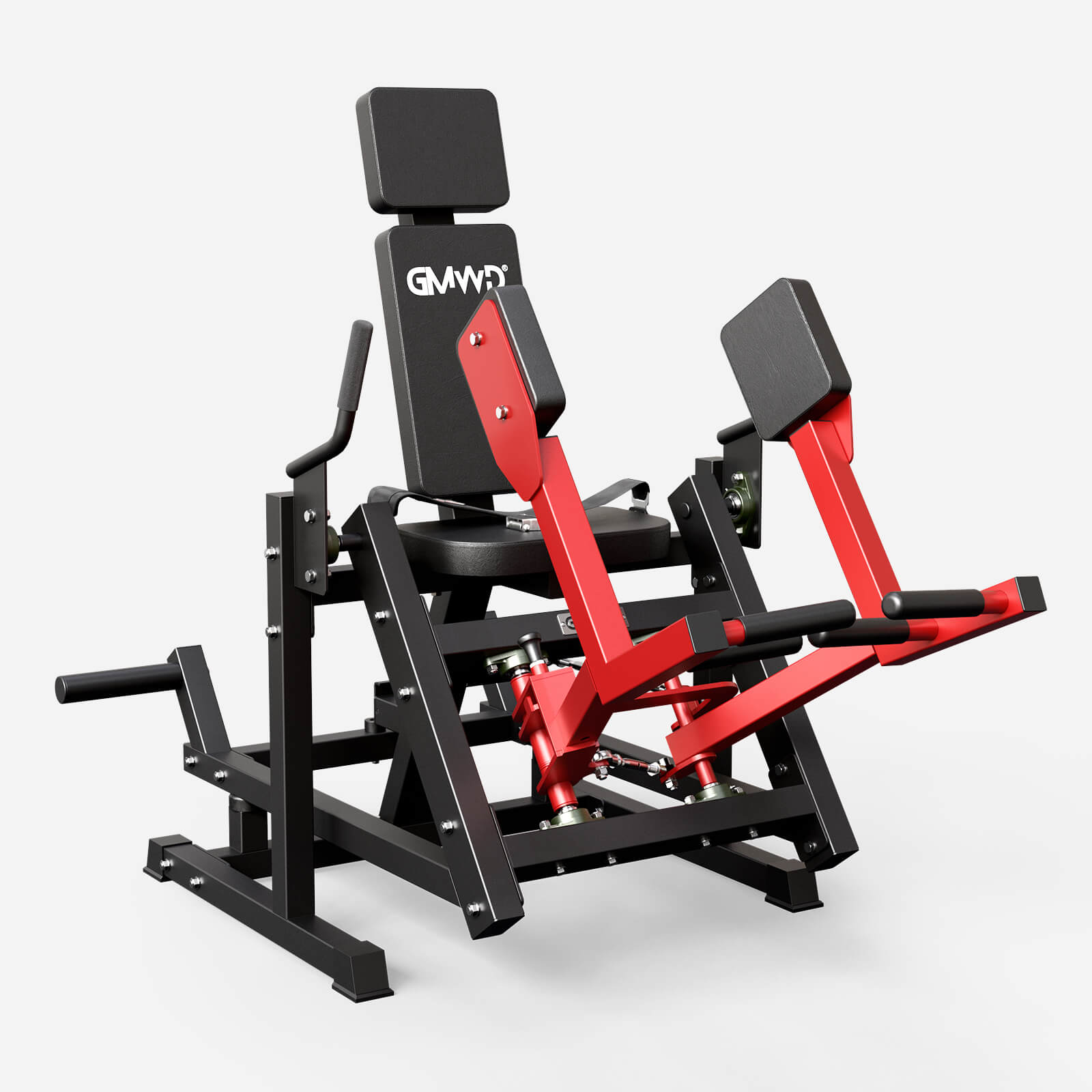
Seated leg curls have you upright with your hips bent, which puts a bigger stretch on your hamstrings right from the start. This setup really hits the lower part of your hamstrings near the knee.
-
Lying leg curls are done face-down. Here, the tension spreads out more evenly across the whole hamstring. Your hips stay extended through the movement.
-
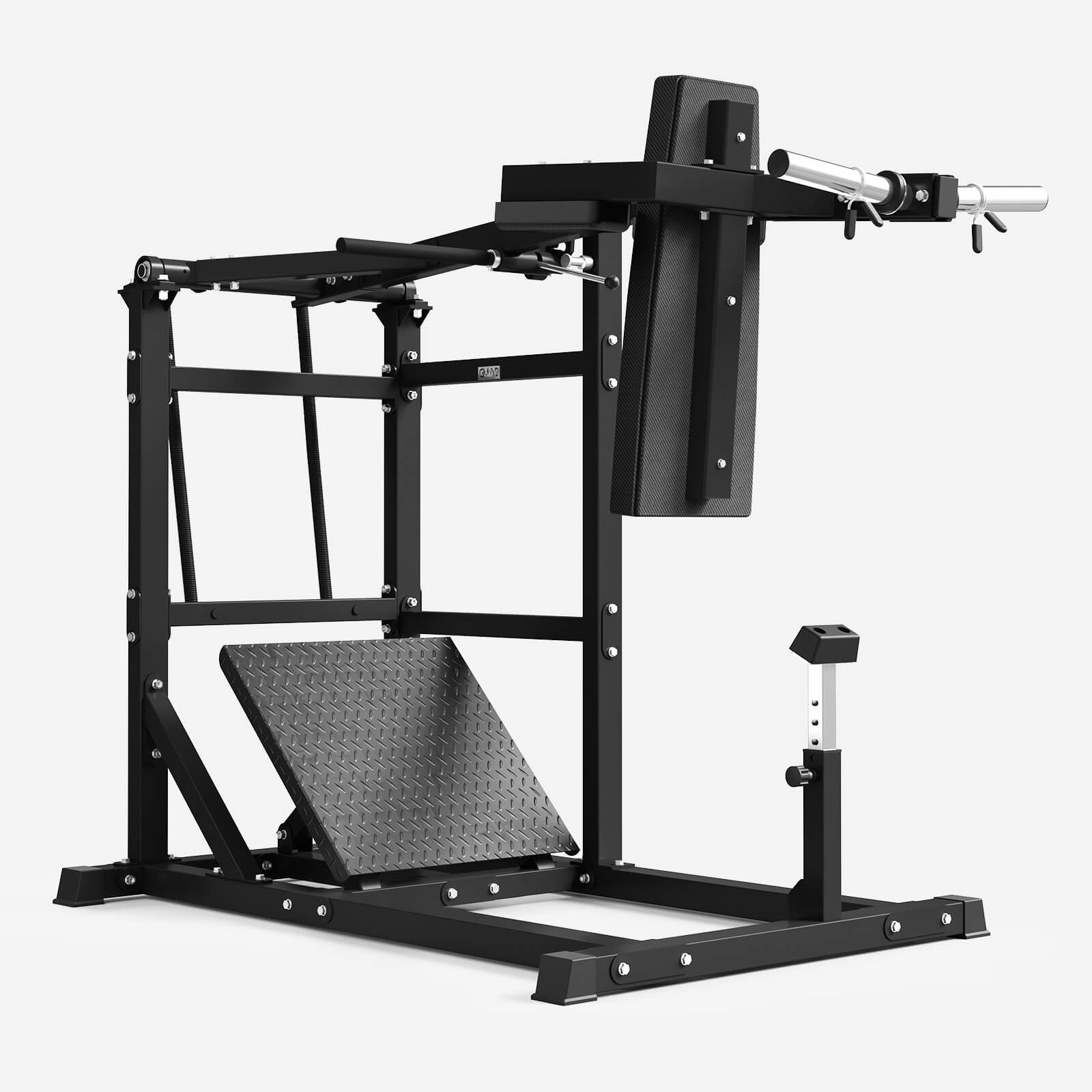
Standing leg curls work one leg at a time. This is great for spotting and fixing any muscle imbalances between your legs.
Lying (Prone) Leg Curl Muscle Focus
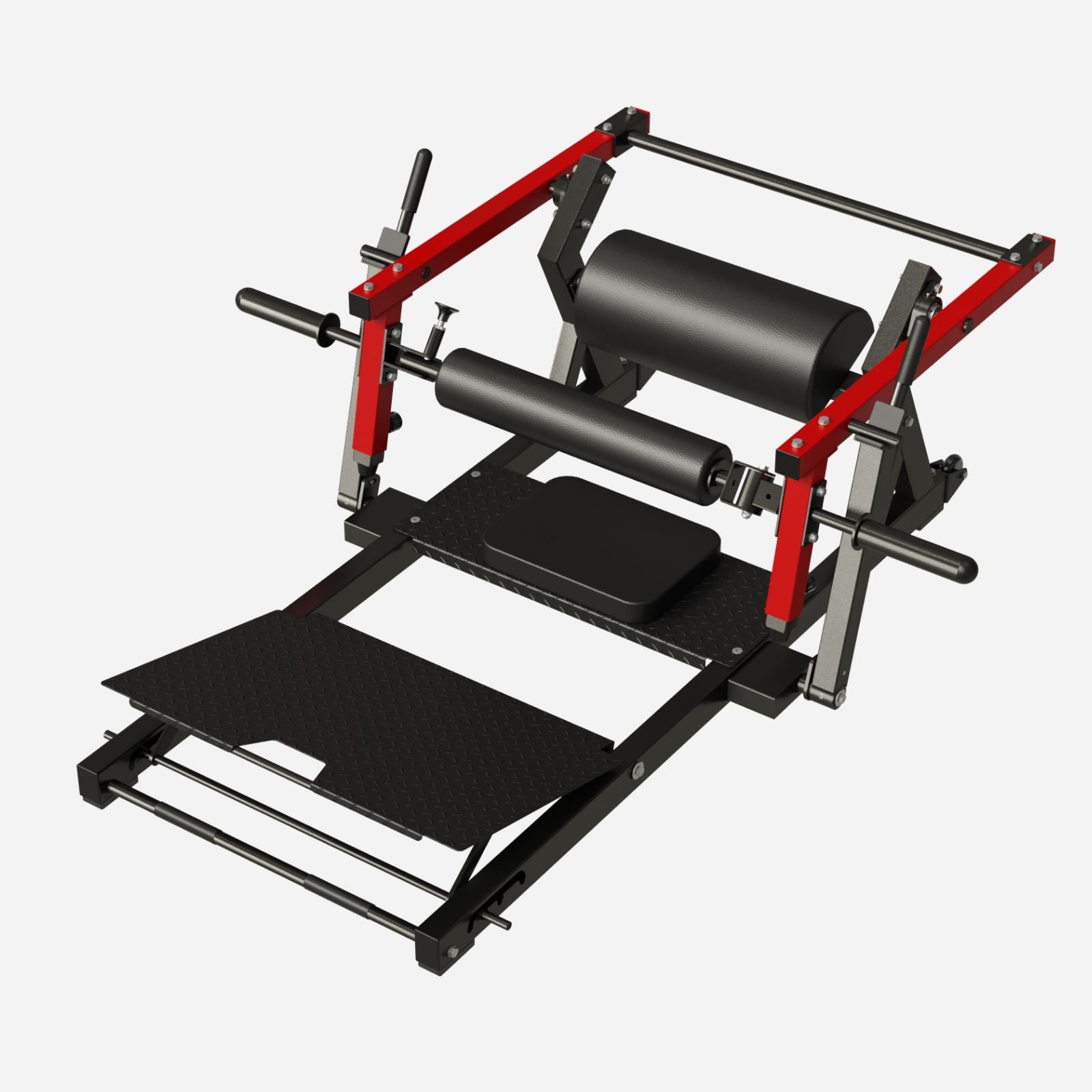
The lying leg curl, also called a prone leg curl—you’re face-down on the machine, ankles tucked behind the pad, knees just over the edge.
This version tends to hit your biceps femoris (the outer hamstring) a bit more than the seated one. With your hips staying neutral and extended, the way your hamstrings work changes, making it a solid move for building that outer portion.
Your calves, especially the gastrocnemius, are more active in lying leg curls. You can point your toes to make your calves work harder, or flex them to dial it back a bit—your call.
Leg Curl Benefits and Exercise Techniques
Leg curls build up your hamstrings, help boost athletic performance, and lower your injury risk—if you’re doing them right. Getting your form dialed in and picking the right equipment will help you get the best results and avoid common mistakes.
Benefits
-
Leg curls target the hamstrings—the biceps femoris, semitendinosus, and semimembranosus. These muscles handle knee flexion and hip extension, which you use every day for stuff like walking, running, or climbing stairs.
-
Stronger hamstrings mean better performance in sports that need sprinting, jumping, or quick changes in direction. They also help balance out your quad-to-hamstring strength, which can protect your knees from getting overworked.
-
Training leg curls regularly can cut down your risk of hamstring strains and tears, which are way too common if you’re active. You might also notice better posture and lower back stability since your hamstrings and glutes work together to keep your pelvis in check.
-
Your calves get a bit of a workout too, especially the gastrocnemius. That extra activation helps strengthen the whole back side of your legs.
Correct Form and Common Mistakes (Lying leg curl)
Set yourself up on the machine so the pad sits just above your heels and your knees line up with the machine’s pivot point. Keep your hips flat on the bench the whole time.
Curl your legs by squeezing your hamstrings until the pad’s close to your glutes or as far as you can go. Watch out for these common slip-ups:
-
Lifting your hips off the bench, which cheats your hamstrings and can bug your lower back
-
Using momentum instead of slow, controlled movement
-
Going too short on your range of motion, which limits your gains
-
Gripping the handles too hard, which just adds unnecessary tension in your upper body
Slowly lower the weight for a couple of seconds to really work the muscle on the way down. Try to keep your feet flexed (not pointed) to keep your calves involved and take some pressure off your Achilles.
Choosing the Right Leg Curl Machine at GMWD
When you start looking for a leg curl machine, you’ll usually come across three main styles: lying, seated, and standing.
-
Each one works your hamstrings a little differently. Lying leg curls put you face-down, which helps keep your body stable and makes it easier to focus purely on the hamstrings—great if you want to train a bit heavier.
-
Seated leg curls keep you upright with your hips bent, which puts your hamstrings under a deeper stretch at the start of the movement and tends to feel more comfortable for a lot of people.
-
Standing leg curls are done one leg at a time and require more balance, so they’re often used to work on stability or fix strength differences between legs.
If you’re building a home gym, understanding these differences can help you choose the setup that fits your training style and space.
Explore GMWD Leg Curl Options

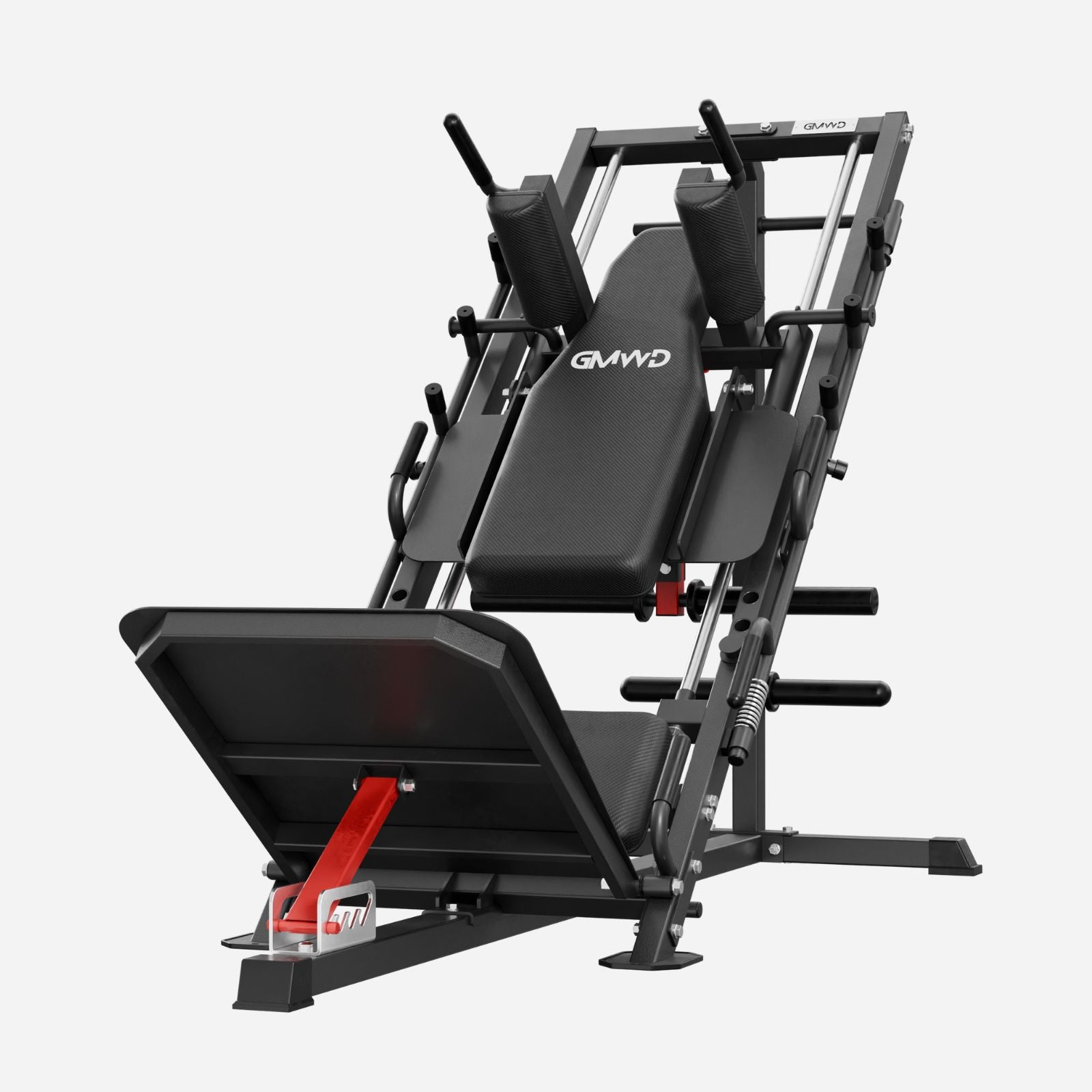
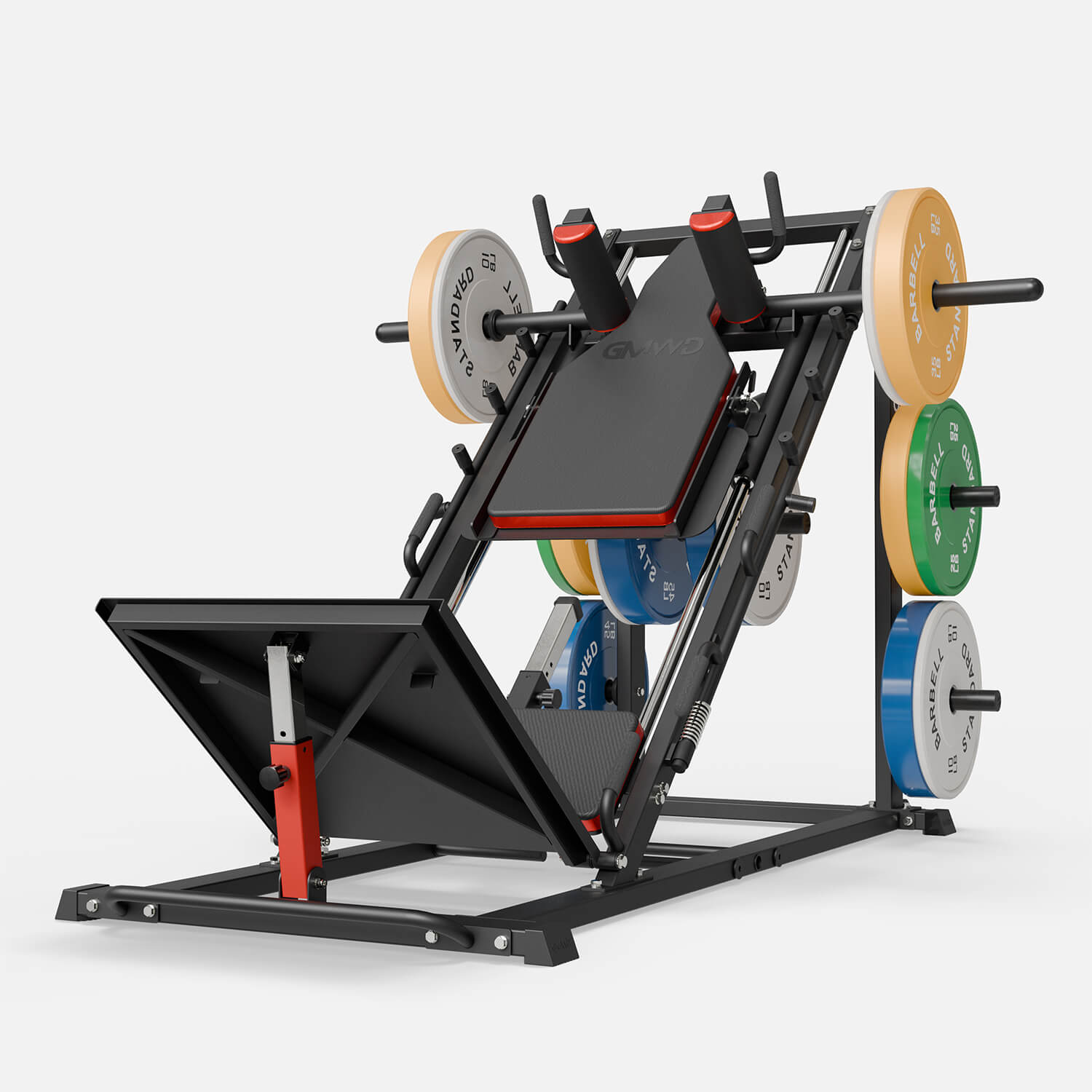
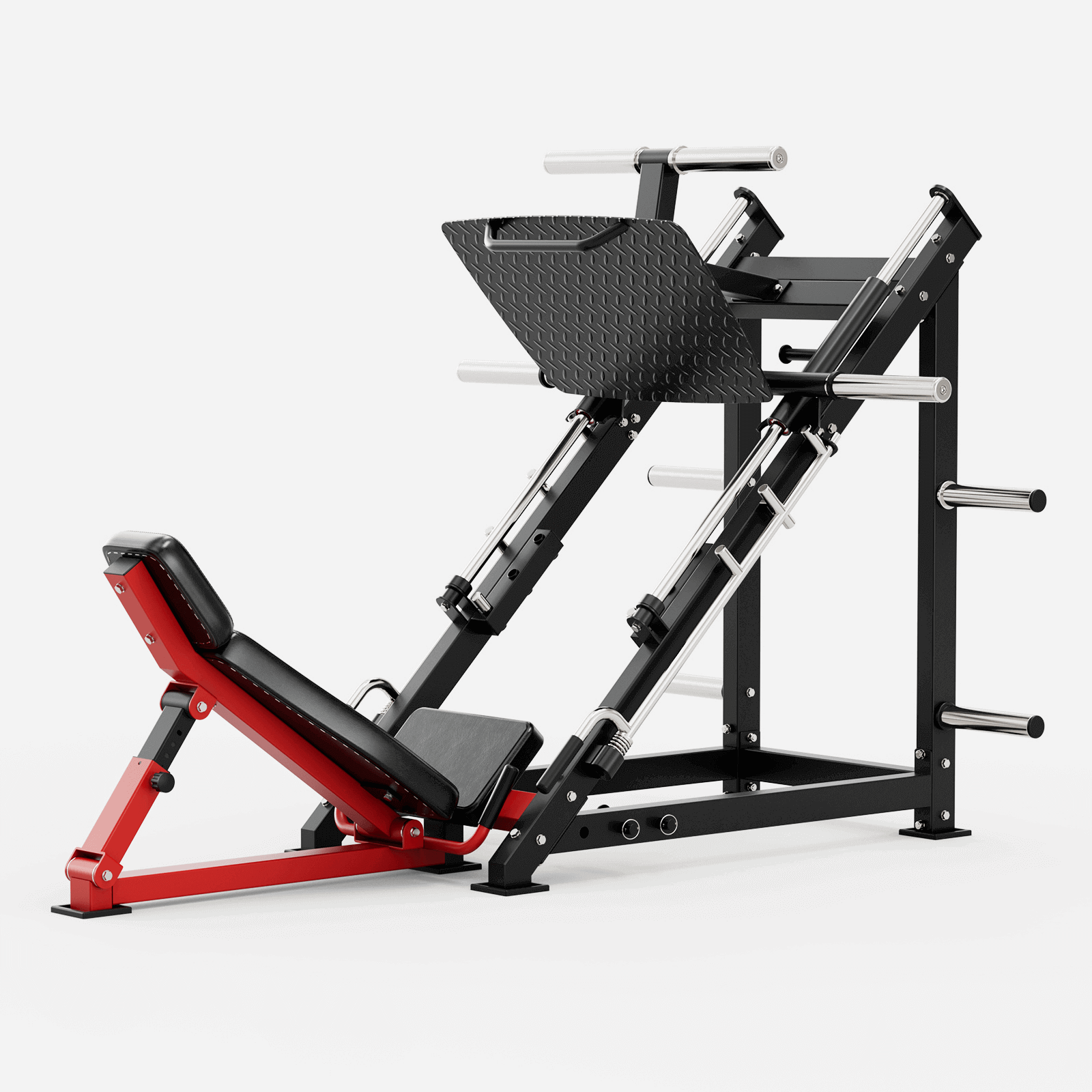
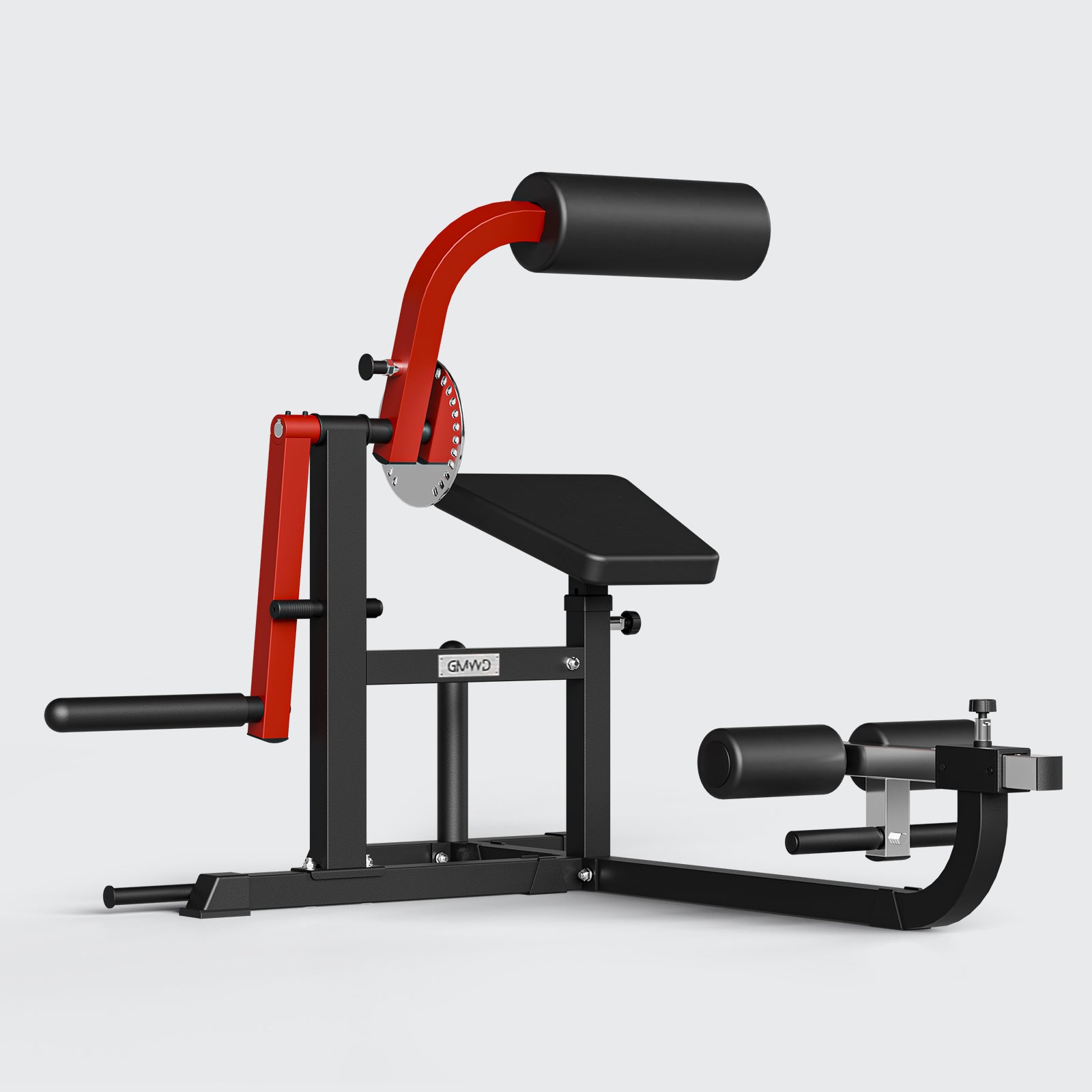
LE08 2.0 · Leg Extension / Prone Leg Curl

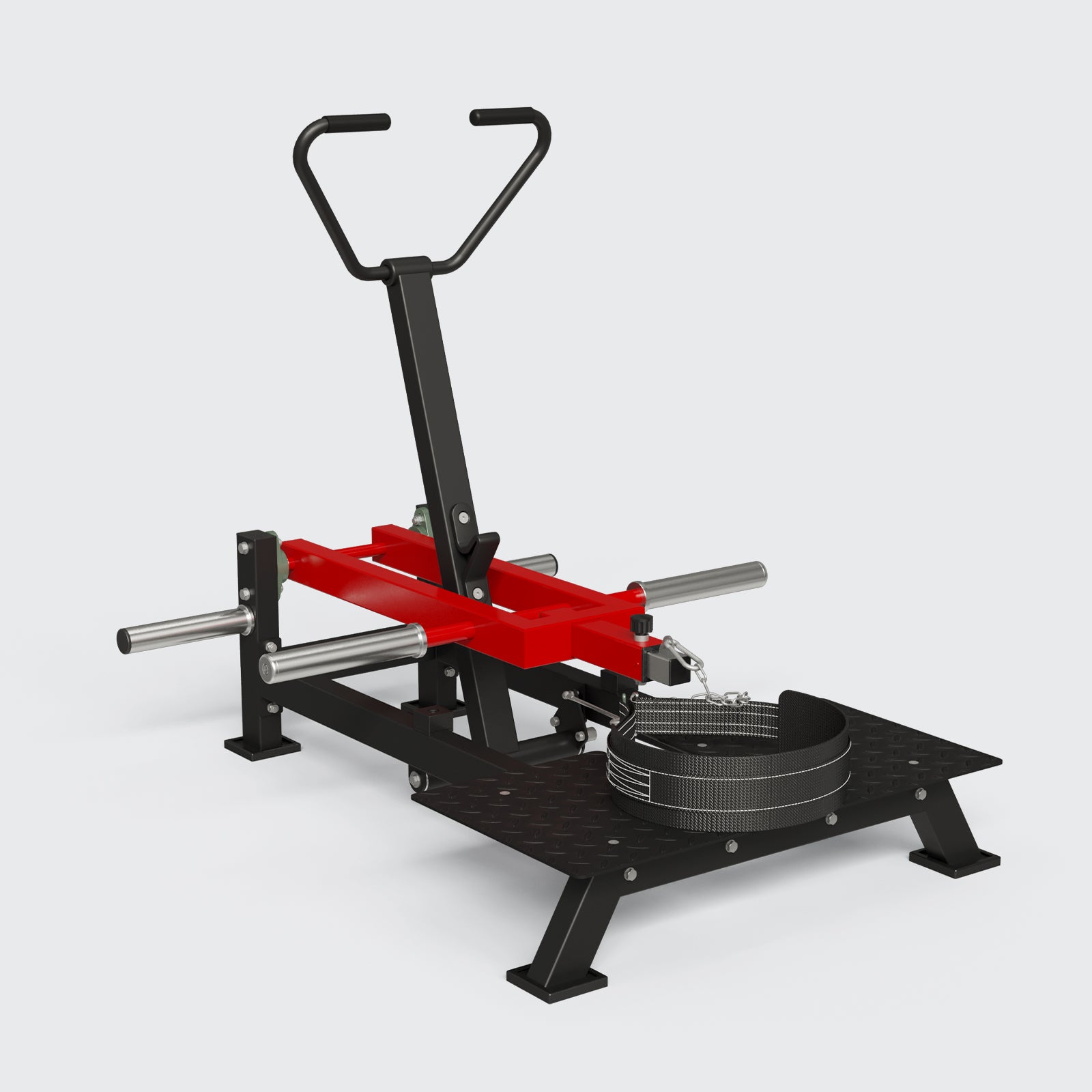
LE03 · Isolated Leg Extension / Prone Curl

Leave a comment
All comments are moderated before being published.
This site is protected by hCaptcha and the hCaptcha Privacy Policy and Terms of Service apply.