










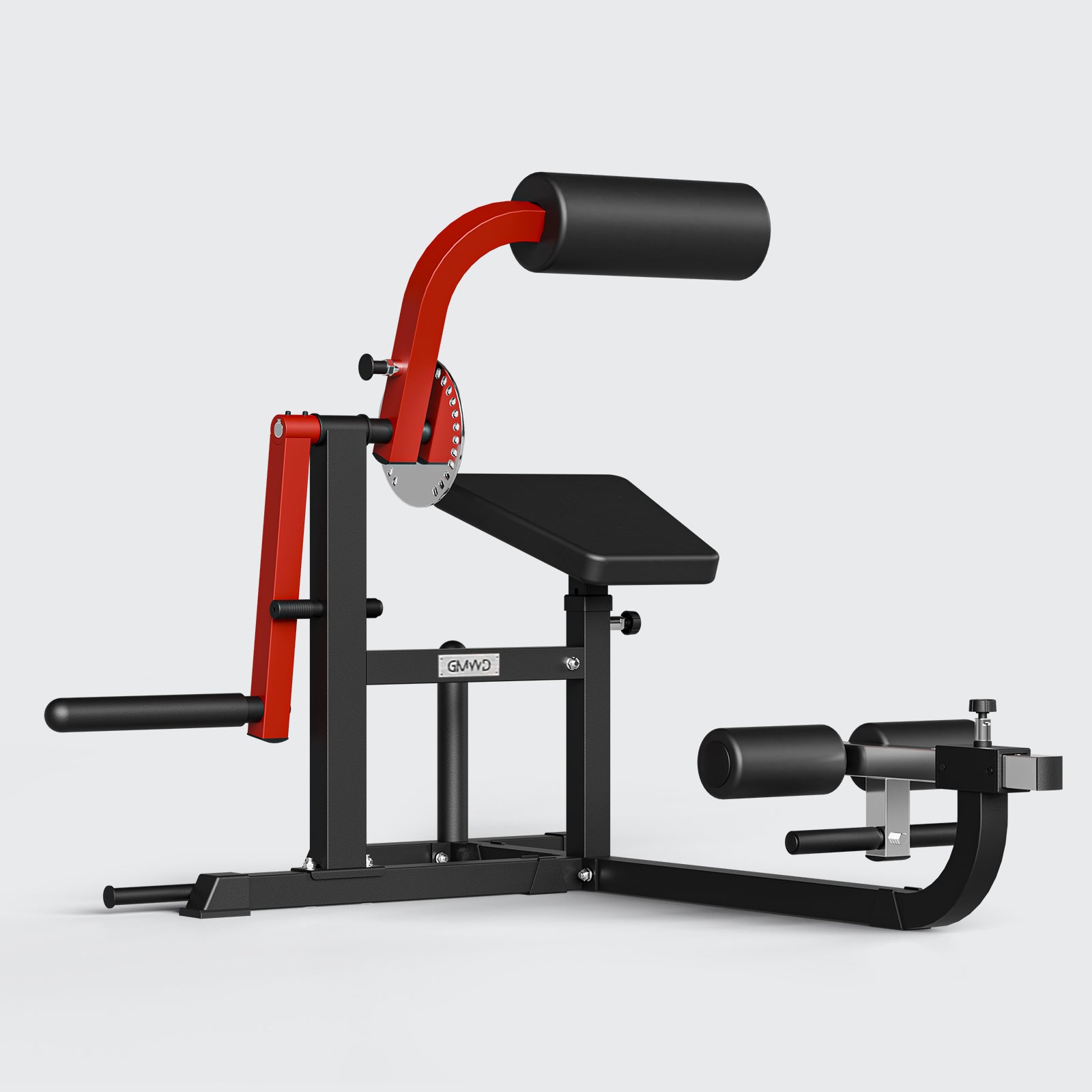
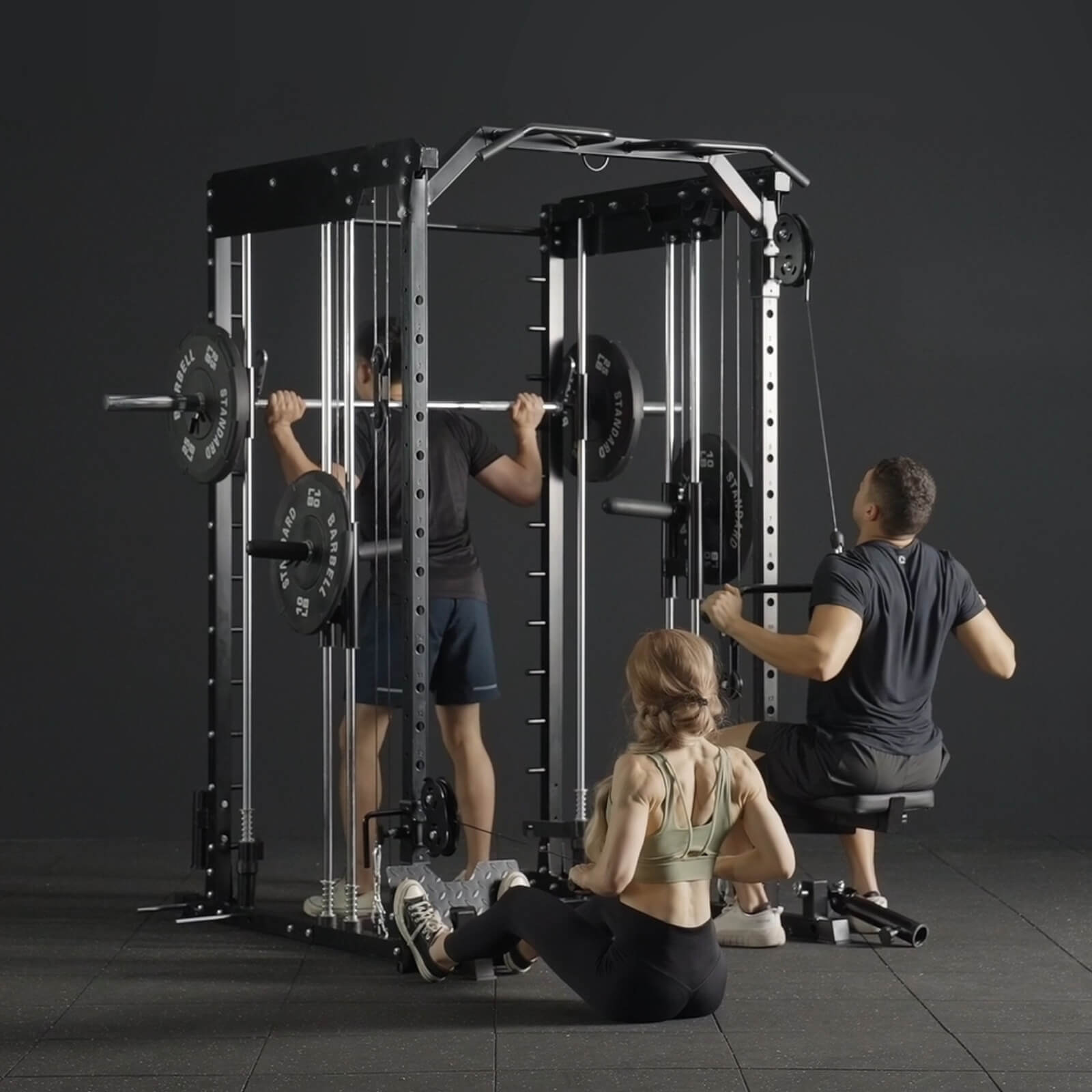
When most people compare gym equipment, they start with the spec sheet.
Steel gauge. Weight capacity. Dimensions.
Those numbers matter, but they don't always tell the full story.
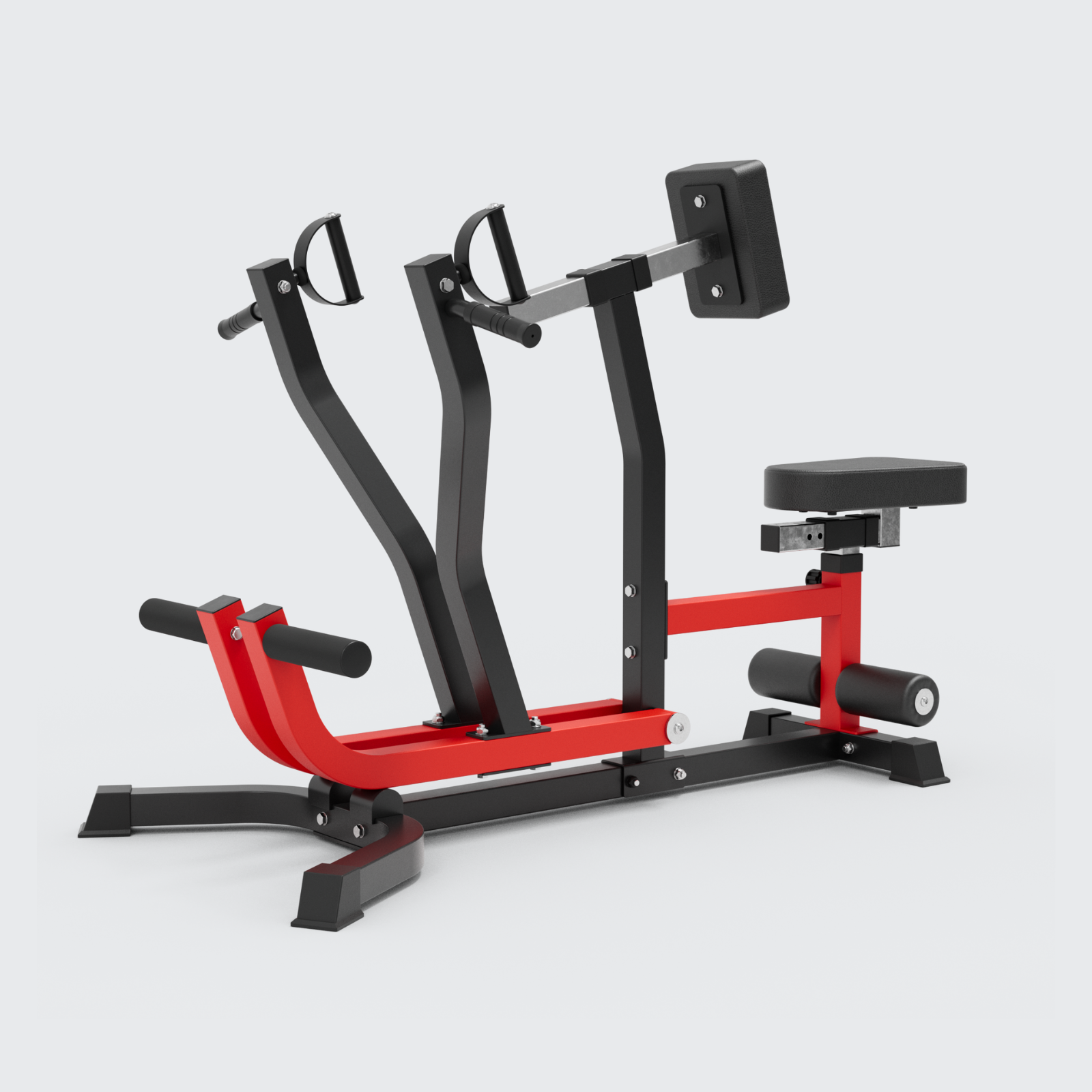
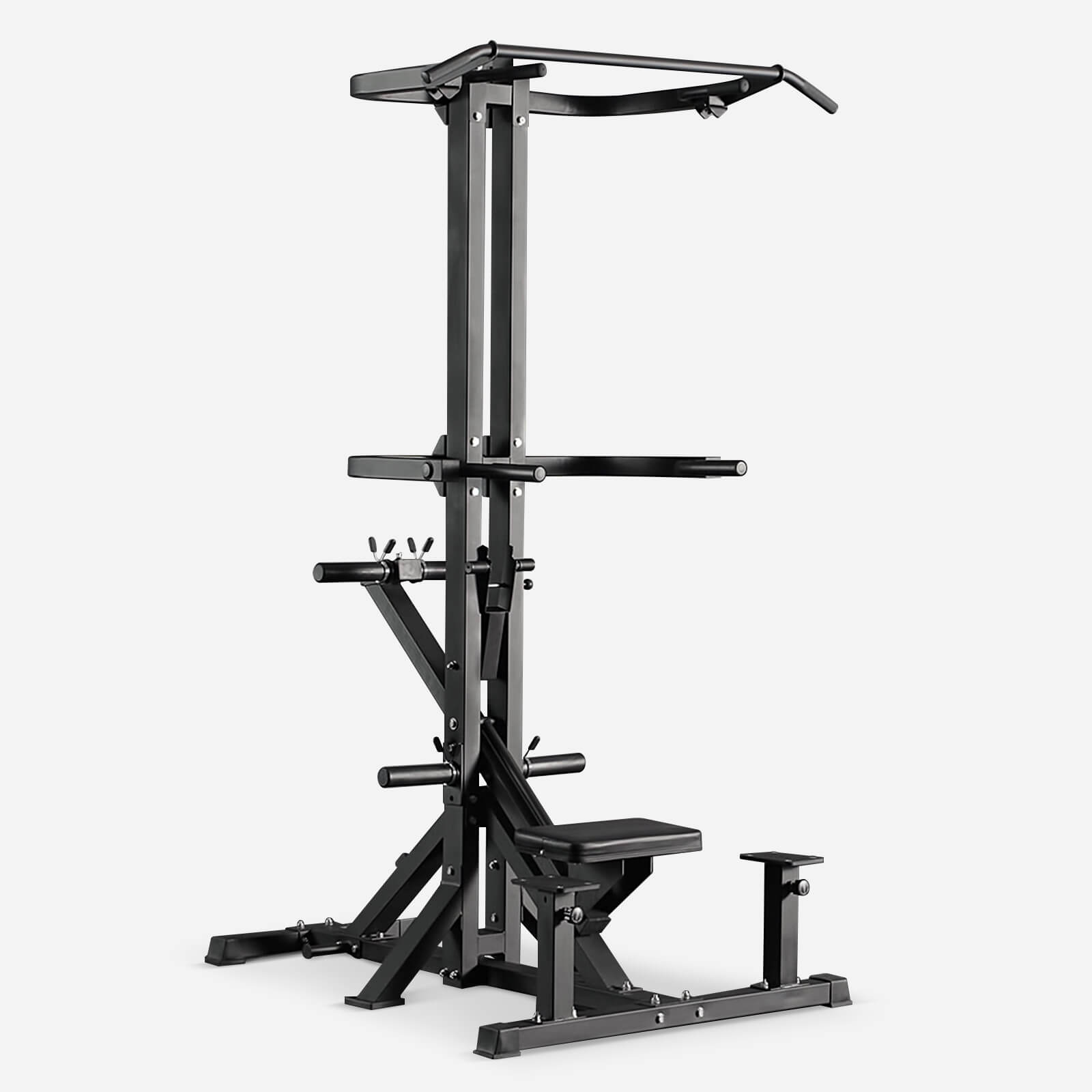
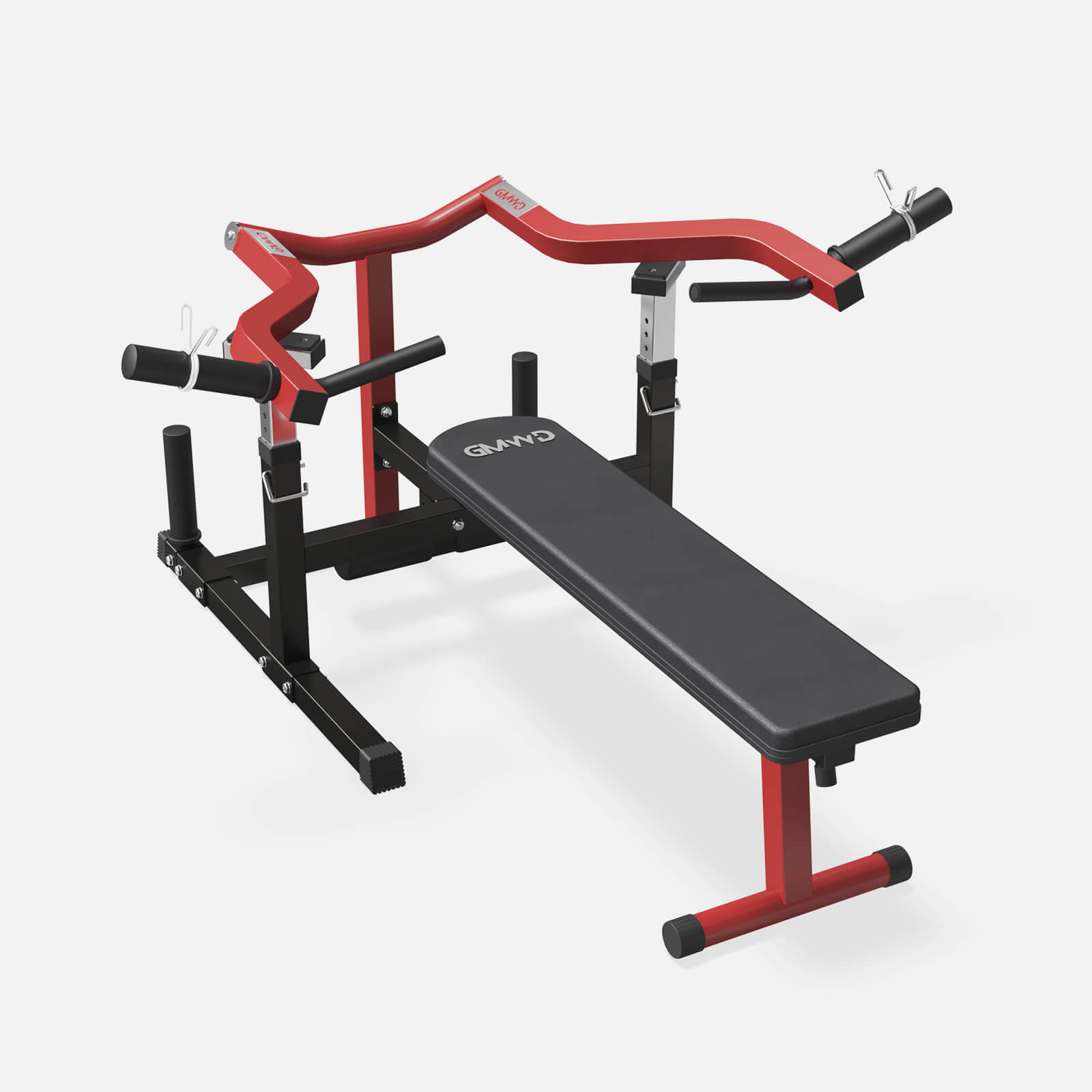
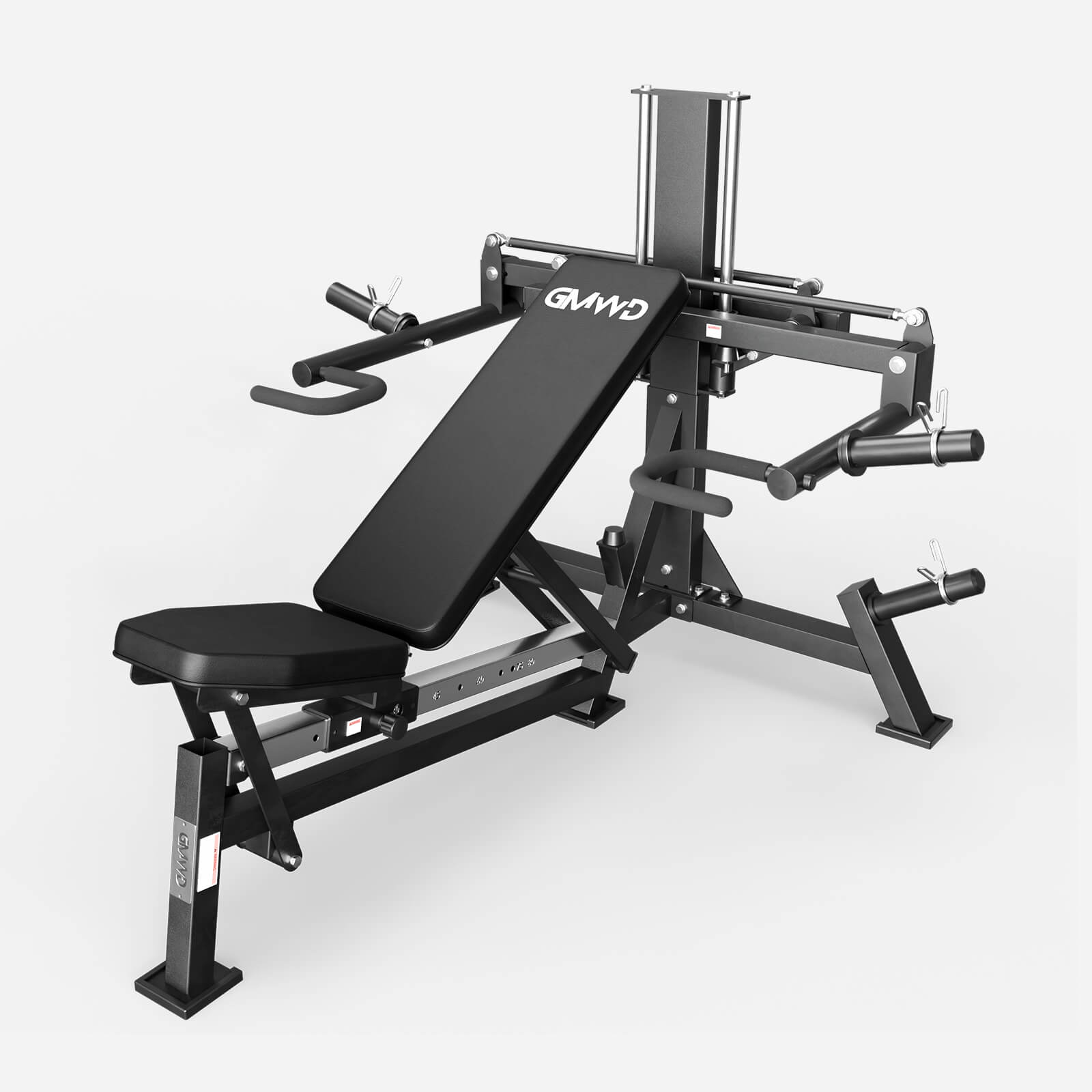
When we started developing the V8, our goal wasn't simply to build a stronger machine on paper. We wanted to create a machine that felt more stable during real workouts—whether you were grinding through heavy chest presses, pushing hard on shoulder presses, or chasing the last few reps of a challenging set.
That goal led to one of the biggest upgrades on the V8: a move to a 3" × 3" frame.
At first glance, it might seem like a small change. In reality, it plays a major role in how the machine feels every time you train.
Stability Is About More Than Steel Thickness
One of the first questions people ask when comparing strength equipment is whether thicker steel automatically means a more stable machine.
It's an understandable assumption.
After all, 11-gauge steel sounds stronger than 14-gauge steel.
But stability has never been determined by steel thickness alone.
If it were, every manufacturer could solve stability issues simply by making the steel thicker.
Instead, engineers look at the entire structure—frame dimensions, geometry, and how force travels through the frame.
Think about standing on two ladders: one is made of thicker material but has a narrow base, the other uses similar material but a much wider stance.
Most people instinctively trust the wider one.
Gym equipment follows the same principle.
Understanding Stability: Why Moment of Inertia Matters More Than Steel Gauge
The real driver of rigidity is a concept called Moment of Inertia (I).
This measures how strongly a structure resists bending under load.
For a hollow square tube:
Where:
- b = outer dimension
- t = wall thickness
Stiffness increases with the fourth power of frame size (b⁴).
This is why geometry makes a much bigger difference compared to material thickness.
Real-World Structural Comparison (What Actually Changes)
Let's simplify this into real numbers so the difference becomes clear.
1) Baseline — 2" × 2", 14-gauge
- b = 2.00"
- t ≈ 0.075"
Result:
I ≈ 0.357
This is the reference point.
2) Steel Upgrade Only — 2" × 2", 11-gauge
Same geometry, thicker steel.
- b = 2.00"
- t ≈ 0.120"
Result:
I ≈ 0.534
👉 ~49.6% increase in stiffness
This improvement comes entirely from material thickness, while geometry remains unchanged.
3) V8 Upgrade — 3" × 3", 14-gauge
This is the actual V8 change.
- b = 3.00"
- t ≈ 0.083"
Result:
I ≈ 1.375
👉 ~285%+ increase in stiffness
The Key Insight (Most Important Part)
When we normalize the comparison:
- 2×2, 14ga → baseline
- 2×2, 11ga → +49.6%
- 3×3, 14ga → +285%+
Steel thickness improves strength. Frame size changes stability.
And stability is what lifters actually feel.
Because Moment of Inertia is dominated by geometry, not material thickness, moving from 2" to 3" jumps far more than you'd expect in rigidity. The 3x3 frame ensures the vertical structure itself doesn't become the weak link in this system.
Why This Matters in Training
In real training, you don't feel equations.
You feel movement.
A higher Moment of Inertia means:
- less frame flex under heavy load
- more predictable force transfer
- reduced micro-movement during fatigue
That's why the experience changes even when steel gauge stays the same.
How This Relates to the V8
The V8 upgrade is not a material upgrade.
It is a geometry-driven structural change.
By moving from 2" × 2" to 3" × 3" while keeping 14-gauge steel, we significantly increased the frame's resistance to bending.
That is why the machine feels more planted, more stable, and more controlled under load—even though the material specification appears similar on paper.
Why We Chose a Larger Frame
One of the most effective ways to increase rigidity isn't always thicker steel—it's increasing structural dimensions.
That's why many premium strength systems have transitioned to 3" × 3" platforms.
Larger tubing creates a stronger structural base that better resists unwanted movement under load.
For lifters, this doesn't show up as a spec.
It shows up as confidence.
The machine feels more stable.
Movements feel more controlled.
Heavy sets feel more predictable.
The V8 Needed More Than a Traditional Frame
A standard chest press machine only needs to support a single, fixed movement pattern.
The V8 is different.
It transitions between flat, incline, decline, and shoulder press variations.
Each variation changes force direction and loading behavior.
That requires a frame that maintains stability across multiple conditions—not just one optimized position.
That is why the 3" × 3" structure matters.
A Feature Most Lifters Overlook
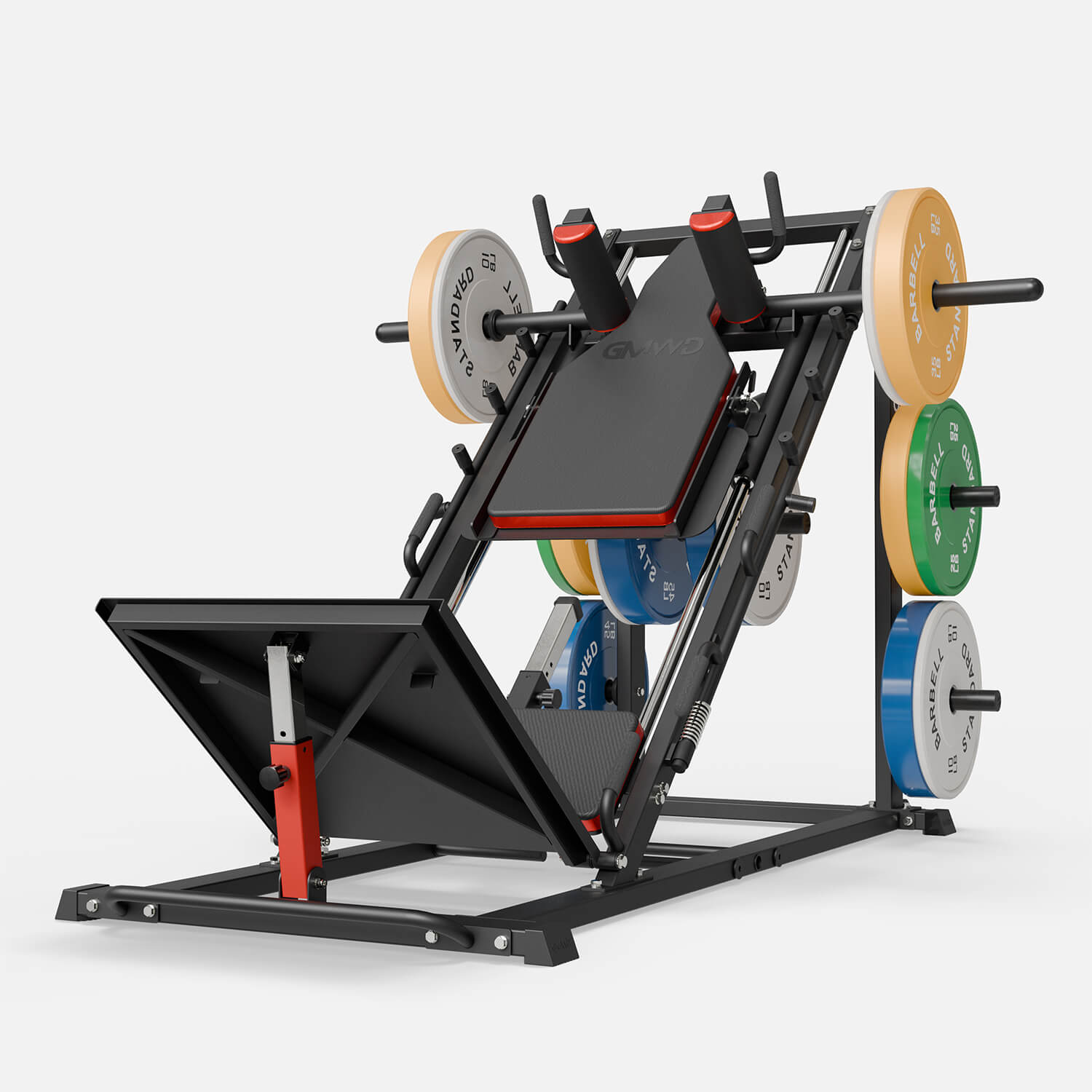
Integrated weight storage also helps with stability.
As plates are stored on the machine, mass is concentrated closer to the base.
This lowers the center of gravity and helps stabilize the frame during training.
But the placement matters just as much as the weight itself. On the V8, the storage posts are positioned directly above the machine's base footprint. This means the added mass works with the frame's grounding, rather than creating a counterbalancing force that could introduce new instability. The weight storage isn't just convenient—it's an intentional part of the structural design.
So the storage system is not just convenience.
It actively helps keep the frame planted.
What You'll Actually Notice During Training
Most lifters don't think about structure.
They think about feel.
A more stable machine allows you to:
- focus on force output instead of balance
- reduce mental load during heavy sets
- stay more confident near failure
That's the real purpose of every upgrade on the V8.
Not specs.
Not marketing.
A better training experience.
The Bottom Line
The move to a 3" × 3" frame wasn't about making a more impressive specification sheet.
It was about fundamentally improving how the machine behaves under load.
Because when weight gets heavy, what matters most isn't the number on paper.
It's how stable the machine feels when you train on it.

Leave a comment
All comments are moderated before being published.
This site is protected by hCaptcha and the hCaptcha Privacy Policy and Terms of Service apply.