










Table of Contents
The incline bench press is a staple for building upper body strength and size. If you’re on the fence about adding it to your workout, knowing which muscles it works might help you decide.
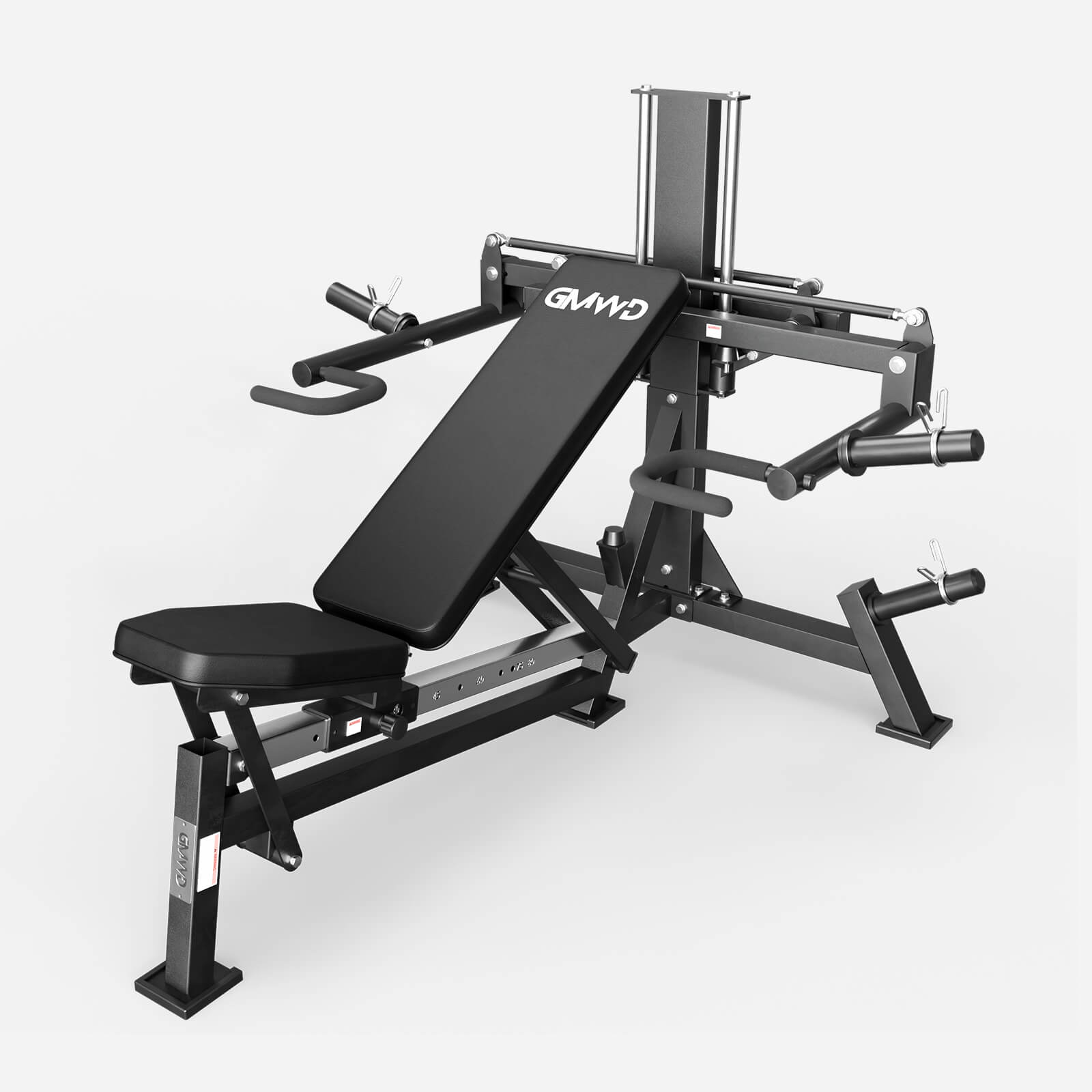
The incline bench press mainly hits your upper chest (clavicular head of the pectoralis major), front shoulders (anterior deltoids), and triceps. Since the bench is angled, your upper chest gets more attention than it does during a flat bench press. You can tweak the bench angle —usually 30 to 45 degrees is the sweet spot.
It’s not just those main muscles, though. Supporting muscles jump in to keep you steady and moving well, so you get more from each rep and steer clear of common mistakes.
Primary Muscle Groups Targeted by the Incline Bench Press
The incline bench press lights up three main muscle groups up top. Your upper chest does most of the work, with your shoulders and triceps backing it up.
Upper Pectoralis Major (Clavicular Head)

The clavicular head of your pectoralis major—that’s the upper chest just under your collarbone—gets the most action here.
Set the bench at 15 to 30 degrees and you’ll notice less work in the middle and lower chest. The incline angle pushes your upper chest fibers to pick up the slack, which is a big reason the incline press stands apart from a flat bench press.
Your upper pecs are the main drivers as you press the weight up. If you crank the incline too high, your shoulders start taking over. Most folks find a 30-degree angle hits the upper chest best while keeping your shoulders in check.
Anterior Deltoid (Front Shoulder)

Your front deltoids—the muscles at the front of your shoulders—are next in line. They help push the weight up with your chest.
The higher the bench angle, the more your front delts have to work. At 45 degrees, they’re working overtime. These deltoids also help keep your shoulder joint steady through the whole movement.
Triceps Brachii

Your triceps, especially the long head, play a key role in straightening your arms during the press.
They kick in hard during the second half of each rep, especially as you lock out at the top. Your triceps, chest, and shoulders team up to move and control the weight.
Incline Bench Press vs. Flat Bench Press
|
Aspect |
Incline Bench Press |
Flat Bench Press |
|
Primary Target |
Upper chest (clavicular head) |
Middle chest (sternal head) |
|
Secondary Muscles |
Front delts, triceps (more shoulder involvement) |
Triceps, front delts (more balanced) |
|
Strength Potential |
Lower (harder angle) |
Higher (strongest pressing position) |
|
Muscle Development |
Builds upper chest fullness |
Builds overall chest mass and thickness |
|
Bench Angle |
30°–45° |
0° (flat) |
|
Shoulder Stress |
Slightly higher |
Generally lower |
|
Best For |
Fixing upper chest lag, aesthetics |
Building overall size and strength |
Common Mistakes to Avoid
-
Setting the bench too high
Going above ~45° turns it into more of a shoulder exercise. Stick closer to 30° to keep tension on the upper chest. -
Using too much weight
Ego lifting reduces control and shifts stress to shoulders and triceps. Prioritize controlled reps and proper form. -
Poor bar path
Letting the bar drift too high (toward your neck) or too low (toward your stomach) reduces chest activation. Aim for a slight diagonal path toward the upper chest. -
Flaring elbows excessively
Elbows too wide increase shoulder strain. Keep them at about a 45–70° angle from your torso. -
Incomplete range of motion
Cutting reps short limits muscle growth. Lower the bar fully and press to near lockout for full contraction. -
Losing upper back tightness
A loose setup reduces stability and power. Keep your shoulder blades retracted and feet planted throughout the lift. -
Ignoring mind-muscle connection
Just pressing weight isn’t enough—focus on actively engaging your upper chest during each rep.
Leave a comment
All comments are moderated before being published.
This site is protected by hCaptcha and the hCaptcha Privacy Policy and Terms of Service apply.