






Understanding the Dumbbell Row
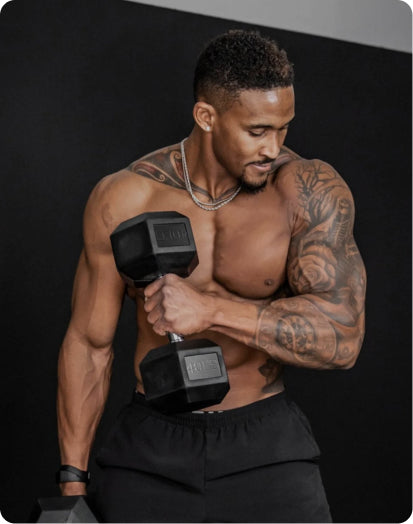
The dumbbell row is one of those staple pulling exercises that really hits your back muscles and helps build upper body strength. You’re basically pulling a dumbbell toward your torso while trying not to wobble all over the place. It fires up several muscle groups and, honestly, helps you look and feel a bit more balanced.
Definition of a Dumbbell Row
A dumbbell row is a compound exercise where you pull a weight up toward your body, kind of like rowing a boat but with more focus. Usually, you hinge at the hips and pull the dumbbell up toward your ribcage or hip.
You’ve got to keep your core tight while moving the weight in a horizontal line. You can do rows one arm at a time or both at once, depending on which version you like (or what equipment you have).
Most people use a bench for support when doing single-arm rows. You put one hand and knee on the bench, and the other arm does the work. This setup lets you really focus on form and work each side separately.
Recommended Gear for Better Rows
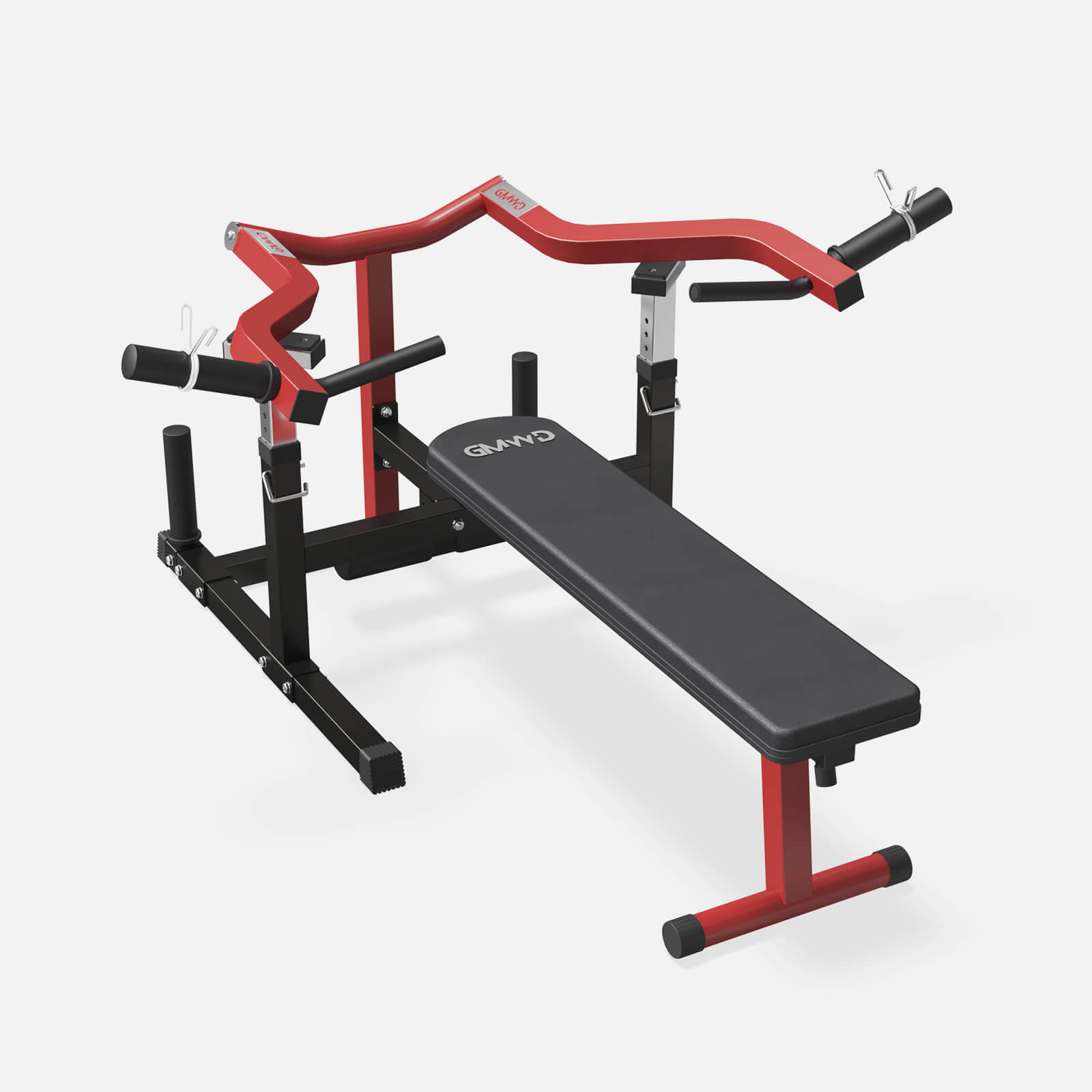
To really nail your form and stay stable during these movements, having the right setup makes a world of difference. We recommend using a sturdy base like the GMWD WB00 Weight Bench to provide the support you need for your knee and hand during single-arm rows.

For the weights themselves, a Rubber Hex Dumbbell Set is a great choice—the flat edges keep them from rolling away between sets, letting you focus entirely on your pull and progress.

Muscles Worked by Dumbbell Rows
-
Latissimus Dorsi (Lats): Main target muscle; gives your back that wide, V-shape look.
-
Rhomboids and Traps: These muscles, located between your shoulder blades, help pull your shoulders back, improving posture.
-
Rear Delts: The back of your shoulders also engage during the movement.
-
Biceps: Assist with the pull, but they’re not the main muscle working here.
-
Core: Constantly engaged to keep you stable during the movement.
-
Erector Spinae: Muscles along your spine, help maintain the hip-hinge position and protect the lower back.
Main Benefits of the Exercise
-
Builds back strength and size while identifying strength imbalances between sides.
-
Improves posture, especially if you're sitting at a desk all day.
-
Boosts grip strength and helps with everyday tasks like lifting and carrying.
-
Gentler on joints, offering a natural motion for muscle growth and strength.
How to Do a Dumbbell Row Properly
Good form matters if you want results—and, let’s be honest, nobody wants to get hurt doing dumbbell rows. It’s all about body position, moving the right way, and making sure you’re actually working the muscles you want.
Step-by-Step Technique
-
Set a dumbbell next to a flat bench. Put your left knee and left hand on the bench for balance, with your hand right under your shoulder.
-
Your right foot stays planted on the floor. Try to keep your back flat and about parallel to the ground, like a straight line from your head down to your hips.
-
Grab the dumbbell with your right hand, palm facing your body. Let your arm hang straight down—your shoulder will stretch a bit toward the floor. That’s where you start.
When you pull:
-
Row the dumbbell up toward your hip, not just straight up
-
Keep your elbow tucked in close to your side
-
Squeeze your shoulder blade back as you lift
-
Pull until the dumbbell is around hip height or a little higher
Lower the weight slowly and with control. Let your arm straighten at the bottom, but don’t just let your back go slack. Finish all your reps on one side, then switch.
Common Mistakes to Avoid
-
Avoid twisting your torso while rowing to prevent shifting focus from your back muscles and protect your lower back.
-
Pull the dumbbell towards your hip, not straight up, to target the right muscles.
-
Don’t use momentum—keep each rep controlled. If you're swinging the weight, it's probably too heavy.
-
Keep your back flat and avoid rounding it to prevent strain. Engage your core, keep your chest up, and maintain a stable posture.
Form Tips for Maximum Effectiveness
Focus on these key points:
-
Keep your neck neutral—just look down at the floor, not ahead.
-
Exhale as you pull the weight up.
-
Inhale while lowering the weight.
-
Use a full range of motion every rep; don’t cheat yourself.
Honestly, it’s best to start with lighter weights until the movement feels natural. You’re aiming to feel it mostly in your mid-back and lats. If your arms or lower back are doing all the work, something’s off.
Your elbow should move past your torso at the top. That’s how you really get your back working. Try pausing for a second at the top—just to get that extra squeeze in your back muscles. It makes a difference.
Set up your supporting hand and knee in a way that keeps you balanced. If you’re feeling wobbly or about to tip over, pause and adjust your stance before going on. No shame in taking a second to reset.
Leave a comment
All comments are moderated before being published.
This site is protected by hCaptcha and the hCaptcha Privacy Policy and Terms of Service apply.