

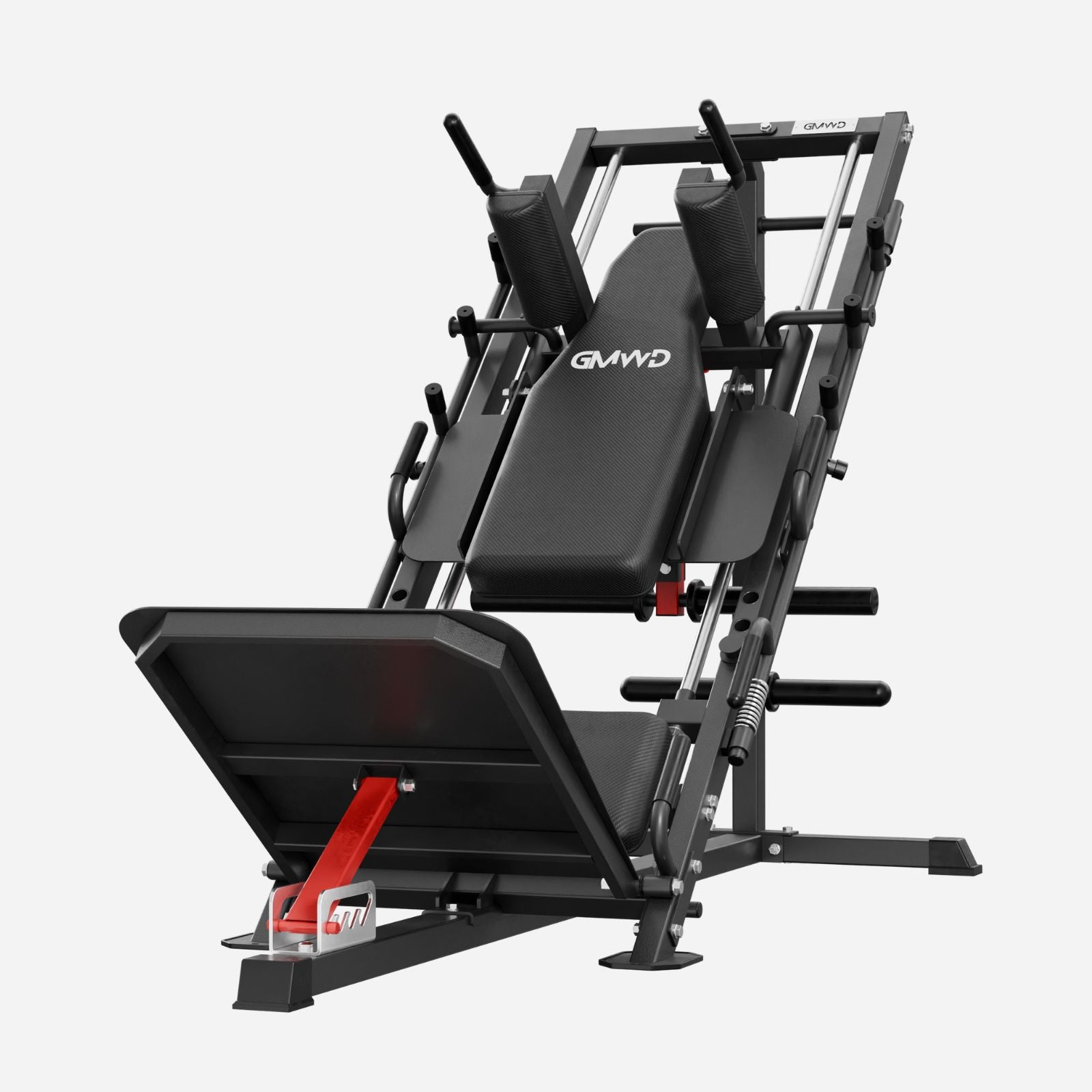
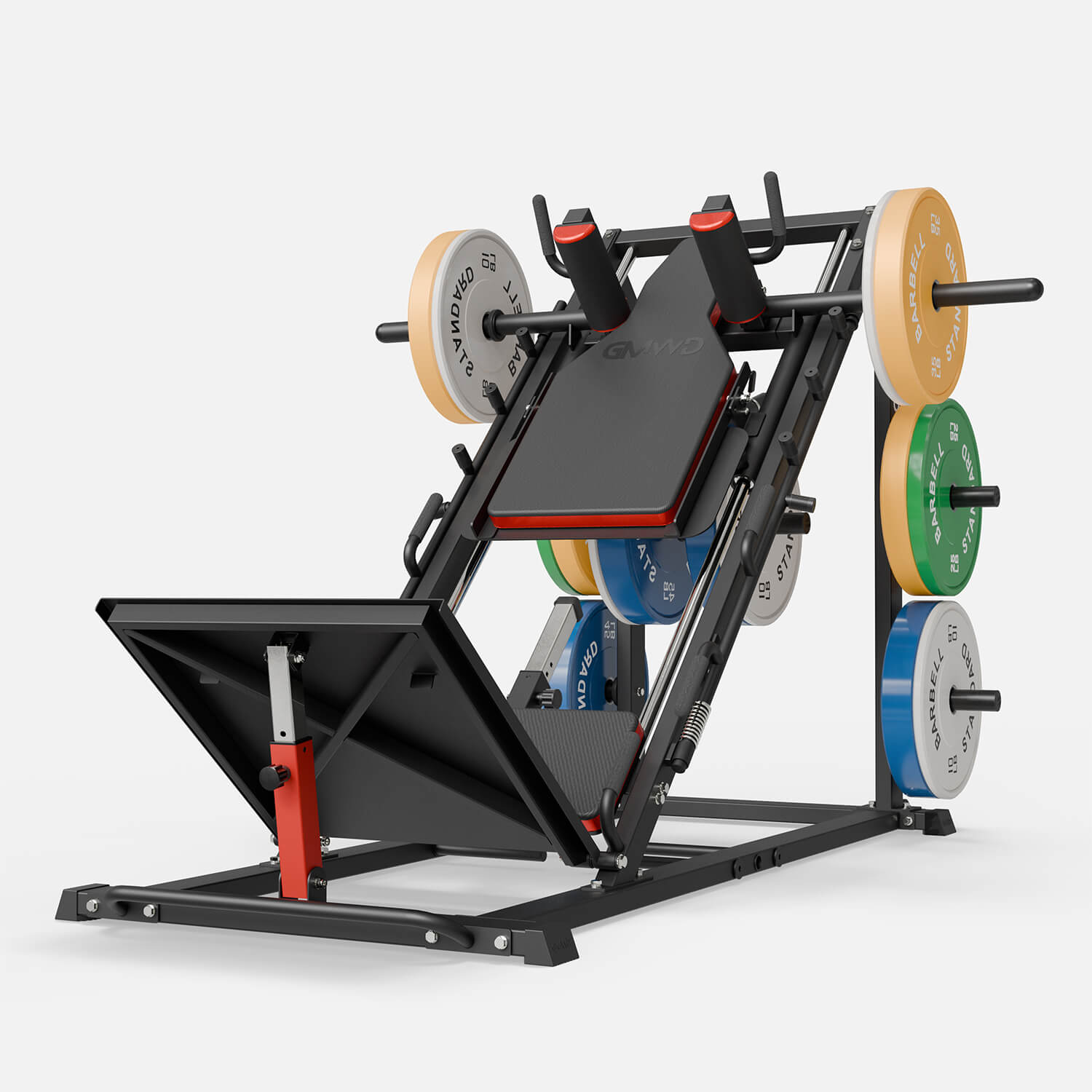


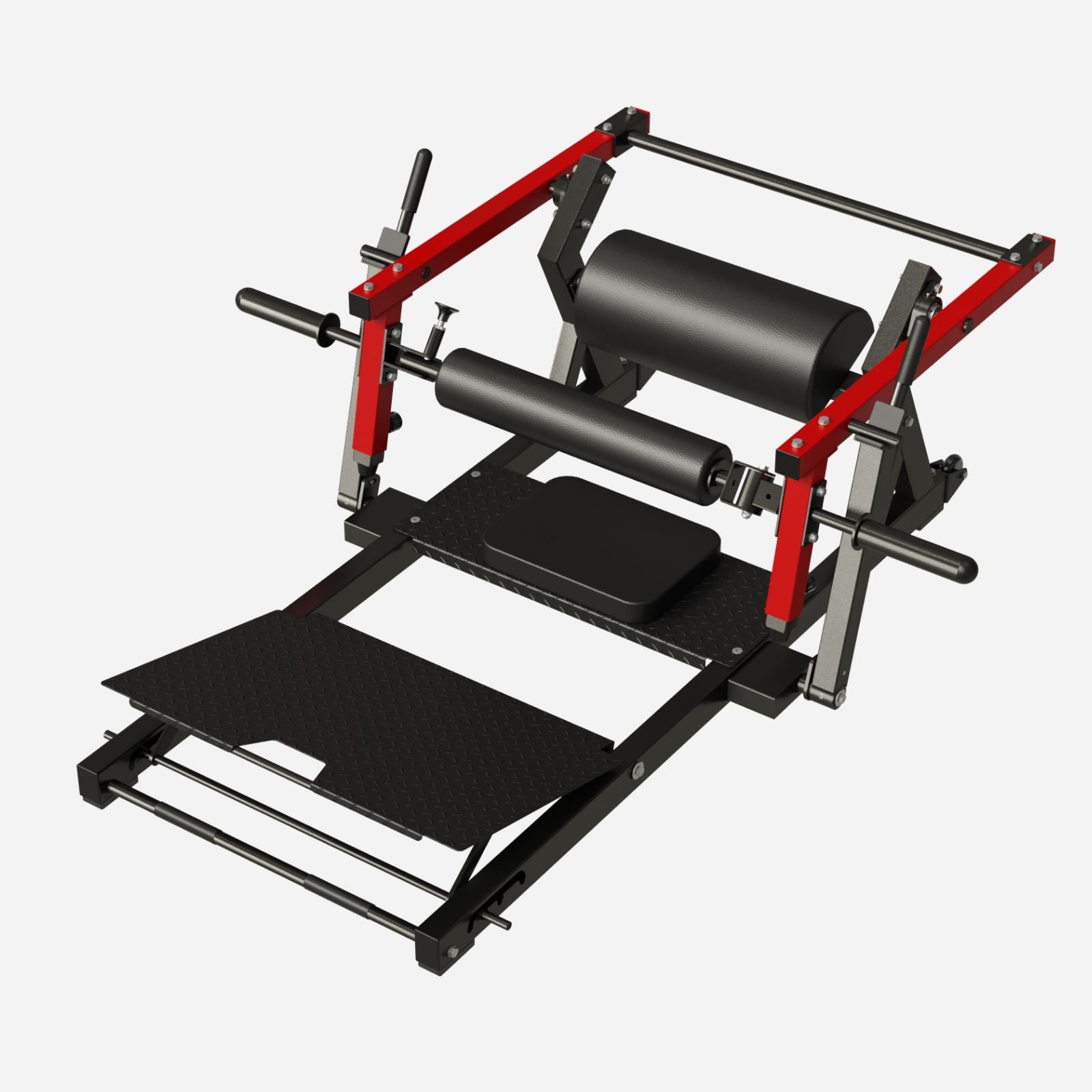

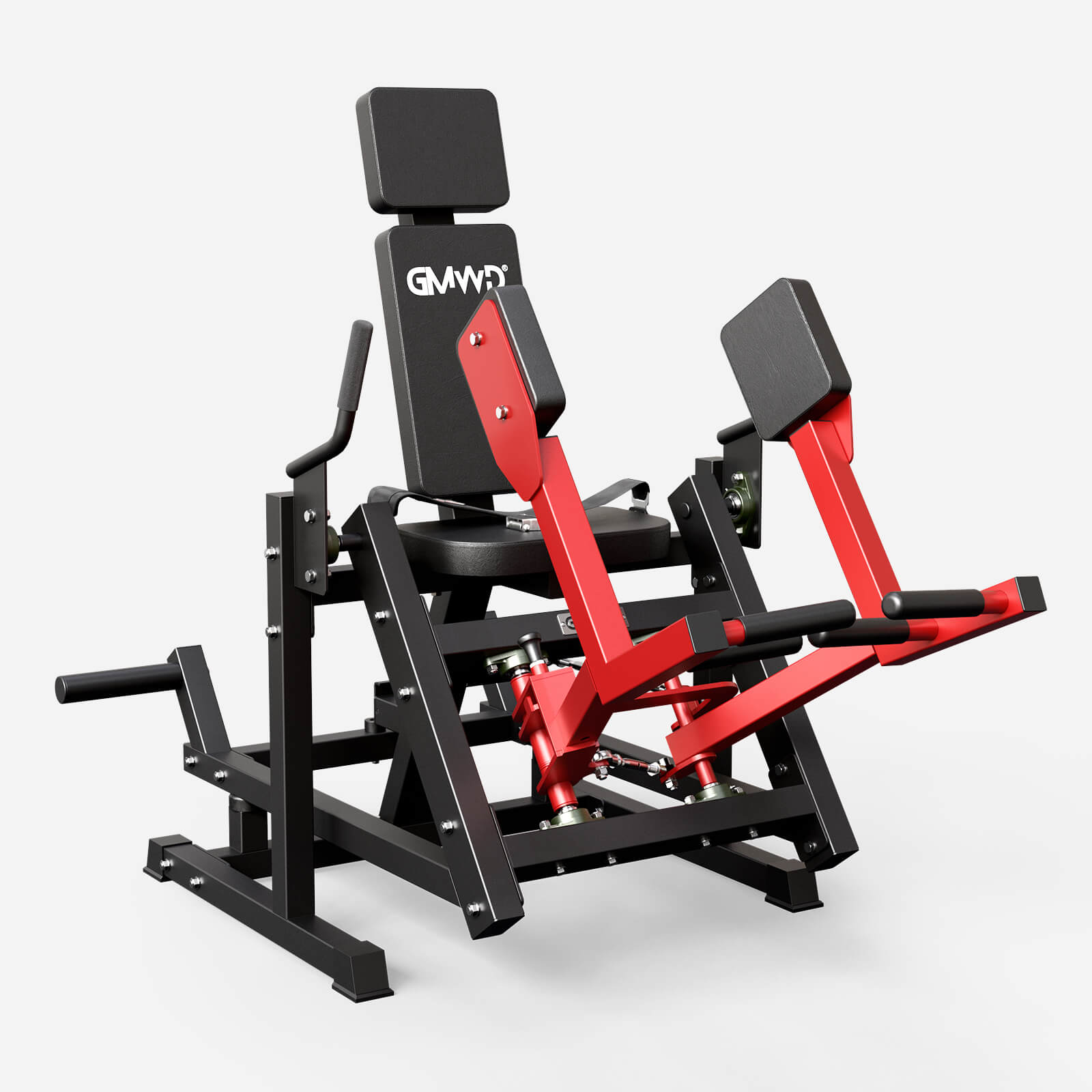






After a long day at work, finding an hour for the gym isn't always realistic. But a busy schedule doesn't mean you have to skip your workout. With the right approach, 30 minutes can be enough time for a productive cardio and leg workout.
Combining cardiovascular conditioning with targeted lower-body strength training allows you to work your heart, challenge your largest muscle groups, and get more done in less time. This type of training, often referred to in exercise physiology as concurrent training, combines endurance and strength work in the same workout. The key isn't simply doing more—it's choosing the right exercises, managing your intensity, and keeping your workout focused.
If you're looking for an efficient after-work workout, here's how to combine cardio and leg training in 30 minutes and make every minute count.
Why Combine Cardio and Leg Training?
Cardio and lower-body strength training target different aspects of fitness, which makes them a practical combination when your workout time is limited.
1. Lower-Body Training Challenges Your Cardiovascular System
Your quads, hamstrings, and glutes are some of the largest muscle groups in your body. Exercises that involve these muscles can raise your heart rate and increase your oxygen demand, especially when you use compound movements or keep rest periods short.
That doesn't mean strength training replaces dedicated cardio. Instead, combining the two gives you a way to train strength and cardiovascular fitness in the same session.
2. Stronger Legs Support Better Cardio Performance
Whether you prefer running, cycling, rowing, or other forms of cardio, your legs play a major role in producing and maintaining movement.
Research has found that strength training can improve running economy, meaning trained athletes use less oxygen at a given running speed. Stronger lower-body muscles can also help you handle repetitive movements more efficiently.
For a short after-work workout, pairing cardio with focused leg training helps you build both conditioning and lower-body strength without needing separate long sessions.
3. Efficiency Over "Magic"
The biggest advantage of a cardio-and-leg workout isn't a special "afterburn" effect. It's pure efficiency. Instead of spending 30 minutes on cardio and needing another workout for your legs later in the week, you can train both in one focused session. That's especially useful if your schedule makes longer gym sessions difficult.
Should You Do Cardio Before or After Leg Training?
There's no single order that's best for everyone. Your primary priority should determine which part of the workout comes first:
| Your Primary Goal | Recommended Order | Why It Works |
|---|---|---|
| Build Leg Strength | Strength → Cardio | You'll have maximum energy for challenging strength exercises. |
| Build Muscle (Hypertrophy) | Strength → Cardio | Performing strength work first helps maintain training quality and power output. |
| Improve Cardio Fitness | Cardio → Strength | You put maximum effort into cardiovascular conditioning while fresh. |
| General Efficient Workout | Either | Choose the order based on what you feel like prioritizing that day. |
| Busy Schedule Consistency | Either | Consistency matters far more than a perfect sequence. |
What About Fat Loss?
If your goal is losing body fat, don't overthink whether cardio comes before or after your leg workout. Your overall calorie balance, nutrition, training volume, and consistency have a much greater impact on fat loss than exercise order. For a 30-minute after-work session, the best approach is the one that helps you train consistently and work at an appropriate intensity.
The 30-Minute Cardio + Leg Workout Blueprint
You don't need a long workout to train your lower body and cardiovascular system effectively. Here is a practical, 4-phase structure you can use right after work:
[Phase 1: Warm-Up] ──> [Phase 2: Cardio HIIT] ──> [Phase 3: Leg Superset] ──> [Phase 4: Cool-Down]
  (5 Mins)                  (10 Mins)                 (10 Mins)                 (5 Mins)
1. Dynamic Warm-Up — 5 Minutes
Start with movements that gradually raise your heart rate and prepare your hips, knees, and lower body for training:
- Bodyweight squats
- Leg swings & hip openers
- Walking lunges
- Light marching or cardio
Keep the intensity low and focus on controlled movement.
2. Cardio Intervals — 10 Minutes
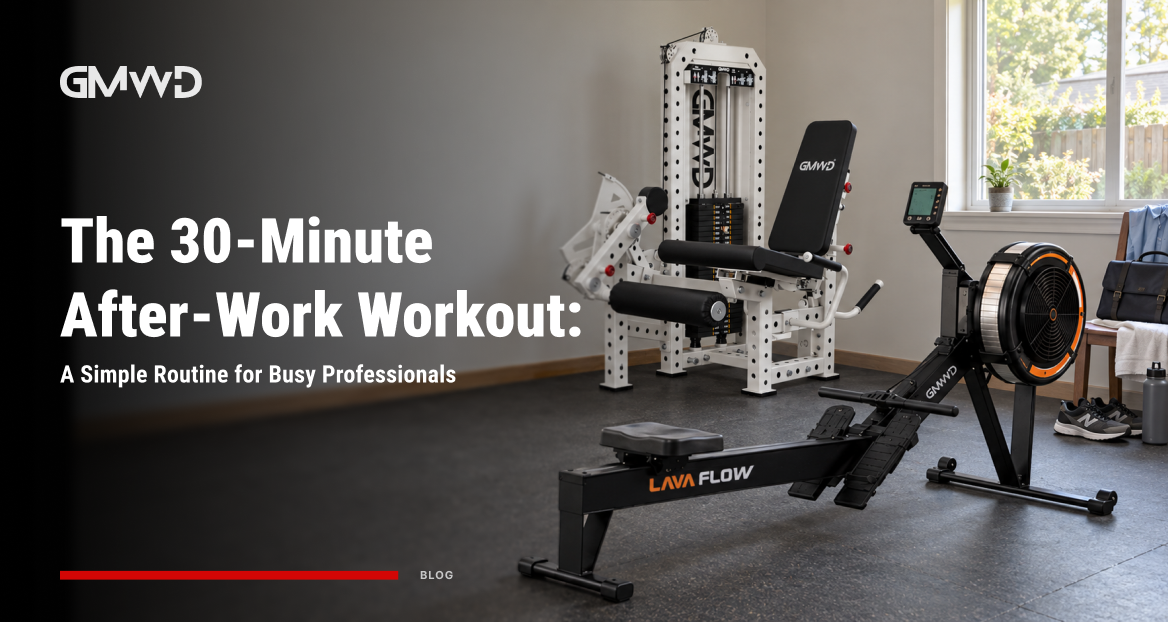
Choose one full-body cardio machine (Air Bike, Rowing Machine, or Ski Trainer).
- Interval Format: 40 seconds of work + 20 seconds of easy recovery × 10 rounds.
- Execution: Adjust the intensity based on your fitness level. The goal isn't to sprint until collapse, but to work at a challenging, controlled pace throughout all 10 rounds.
3. Leg Strength — 10 Minutes
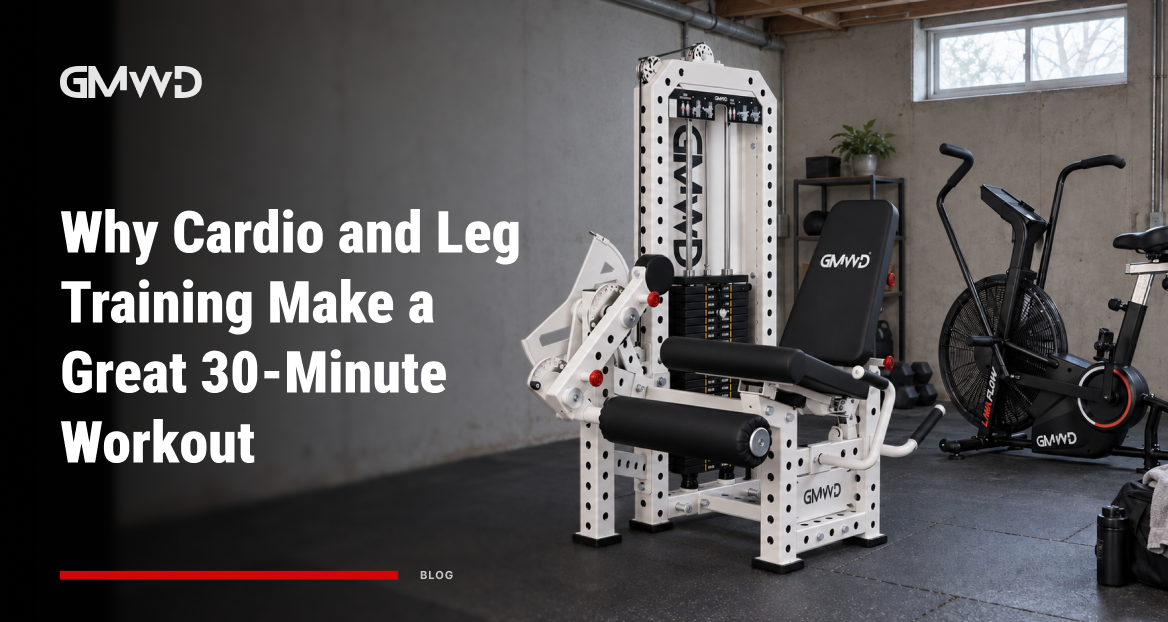
Move directly into focused lower-body strength work. A dual-function leg extension and leg curl setup is particularly useful here because it allows you to train quadriceps and hamstrings without complex barbell loading.
- Superset Format: 10–12 Leg Extensions → 10–12 Leg Curls → Rest 60 seconds.
- Volume: Repeat for 3–4 rounds. Choose a challenging weight while maintaining strict form.
4. Cool Down — 5 Minutes
Finish with a few minutes of easy movement and stretching:
- Standing quad stretch
- Seated hamstring stretch
- Hip flexor stretch & deep breathwork
Choosing the Right Equipment
One of the easiest ways to make a short workout more efficient is choosing equipment that removes setup friction.
- Air Bike (Short, High-Intensity Intervals): An air bike provides dynamic fan-based resistance that increases as you push harder. Best for HIIT-style cardio and short after-work sessions.
- Rowing Machine (Full-Body Conditioning): Rowing combines a strong leg drive with upper-body pull, engaging up to 86% of total muscle mass. Best for full-body low-impact conditioning.
- Ski Trainer (Standing Core & Cardio): Provides cardiovascular conditioning while keeping the workout low-impact and standing, opening up tight hip flexors. Best for standing conditioning.
- Leg Extension & Curl Machines (Focused Lower-Body Strength): Directly isolates quadriceps and hamstrings in a controlled pattern, letting you perform supersets in seconds. Best for rapid lower-body hypertrophy.
Frequency & Recovery Guidelines
For most people, 2–3 combined sessions per week is the sweet spot for sustainable progress:
Monday:    30-Minute Cardio + Leg Workout
Tuesday:   Active Recovery / Walk
Wednesday: Upper-Body Strength or Light Cardio
Thursday:  Rest
Friday:    30-Minute Cardio + Leg Workout
Weekend:   Outdoor Activity or Rest
Essential Recovery Rules:
- Prioritize Sleep: Aim for 7–9 hours of sleep to allow muscle tissue repair and CNS recovery.
- Hydrate Consistently: Replace fluids lost during high-intensity cardio blocks.
- Listen to Joint Signals: Muscle tightness is expected; sharp joint pain in knees or lower back is a clear cue to rest or lower intensity.
Frequently Asked Questions
Yes. Combining cardio and lower-body strength training in the same session (concurrent training) is a practical, safe, and effective way to build endurance and strength when time is limited.
It depends on your primary goal. If strength or muscle hypertrophy is your priority, do strength first. If cardiovascular conditioning is your main goal, start with cardio.
It is better to alternate hard cardio and leg sessions with upper-body, active recovery, or mobility days to give your leg muscles 48 hours to recover.
References
- Leveritt, M., et al. (1999). "Concurrent strength and endurance training: A review." Sports Medicine, 28(6), 413-427.
- Storen, O., et al. (2008). "Maximal strength training improves running economy." Medicine & Science in Sports & Exercise, 40(6), 1087-1092.
- Rosenkilde, M., et al. (2012). "Body fat loss and compensatory mechanisms in response to different doses of aerobic exercise." American Journal of Physiology, 303(6), R571-R579.


Leave a comment
All comments are moderated before being published.
This site is protected by hCaptcha and the hCaptcha Privacy Policy and Terms of Service apply.