








Filters
7 products
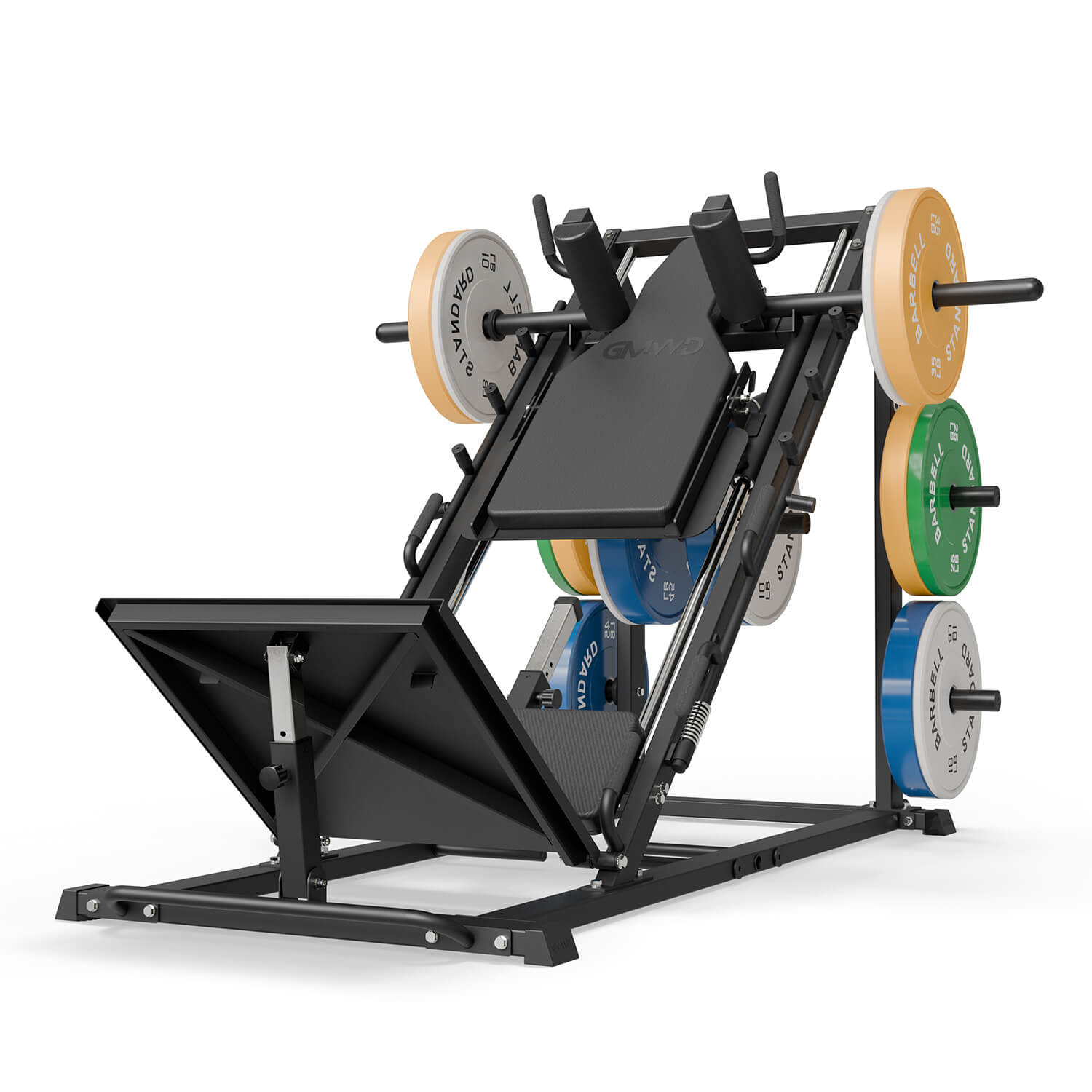
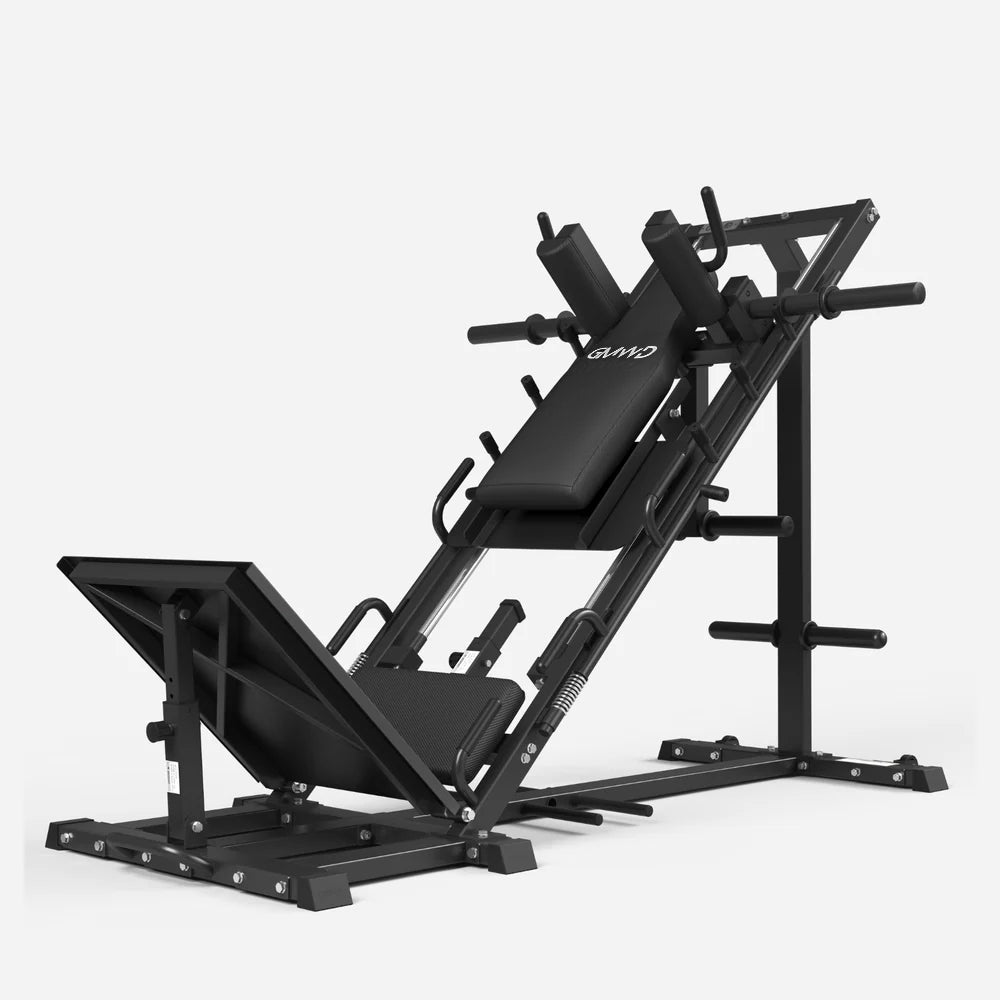
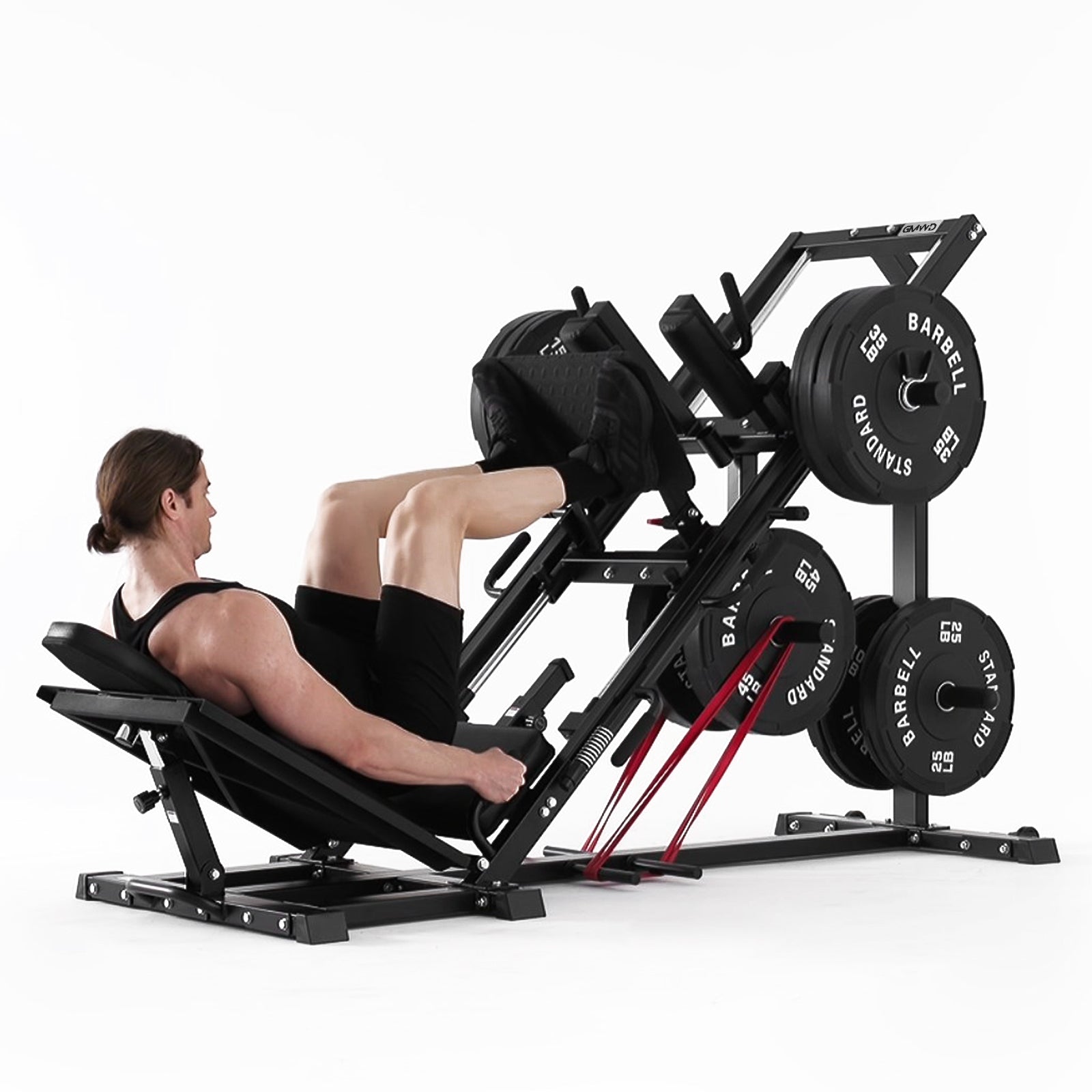
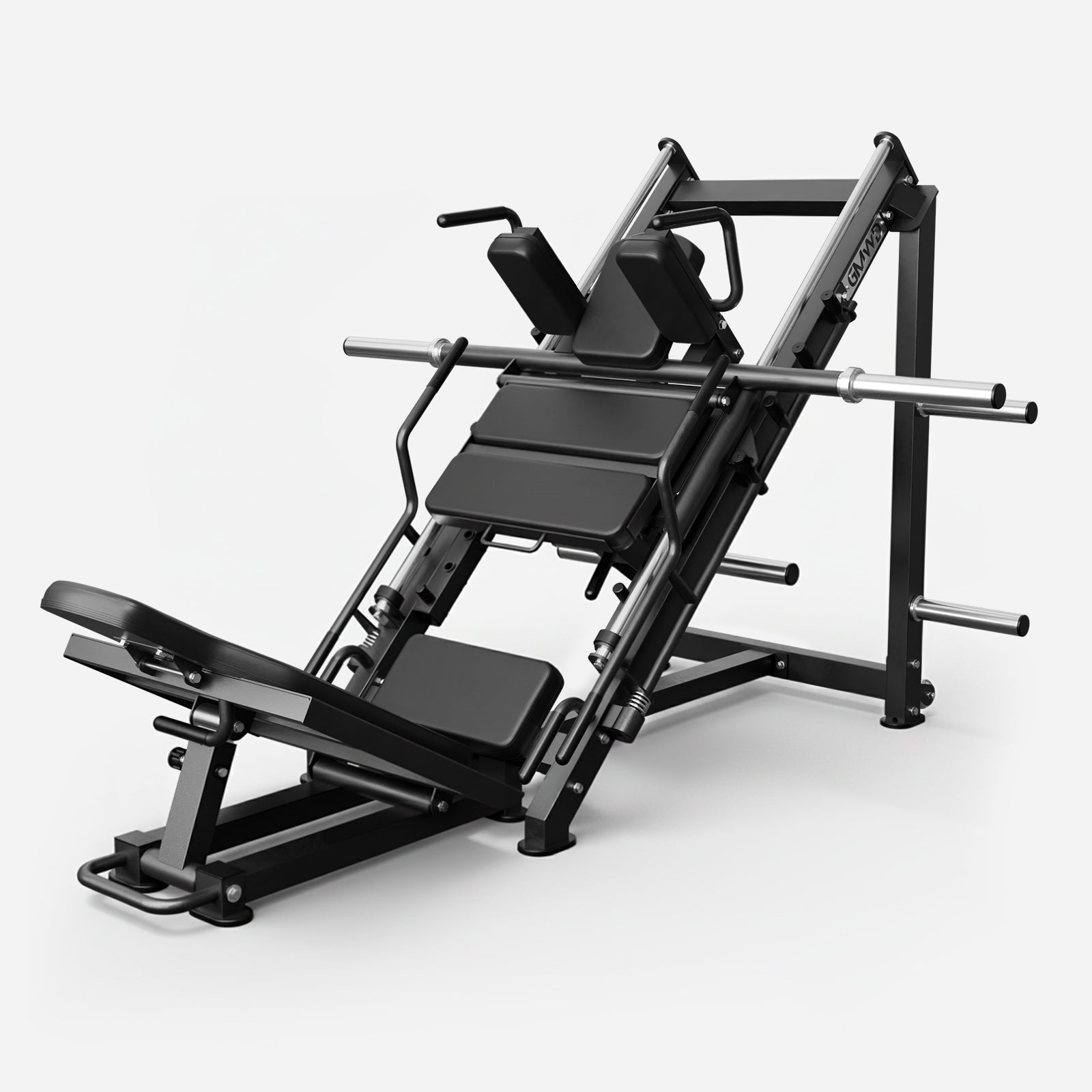

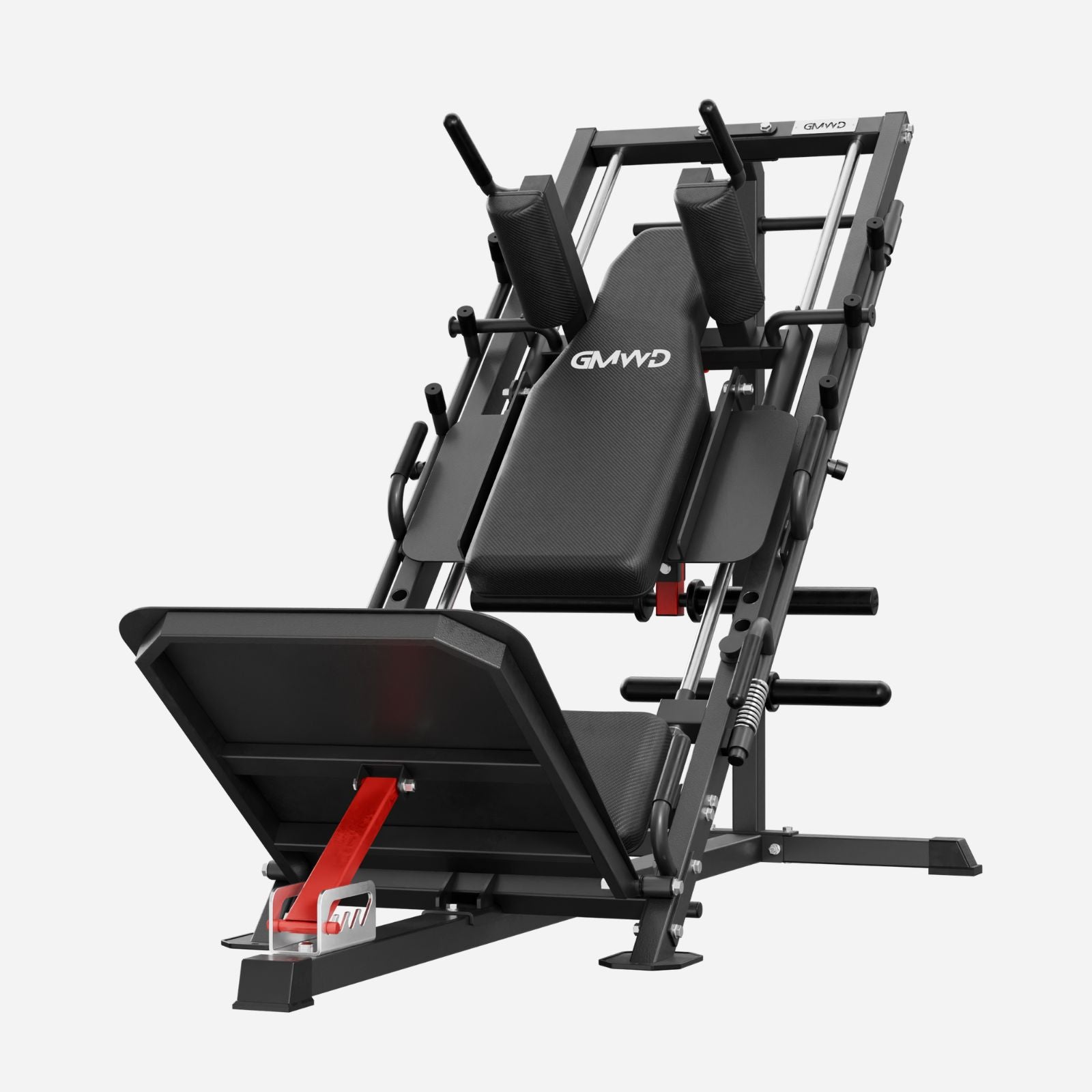
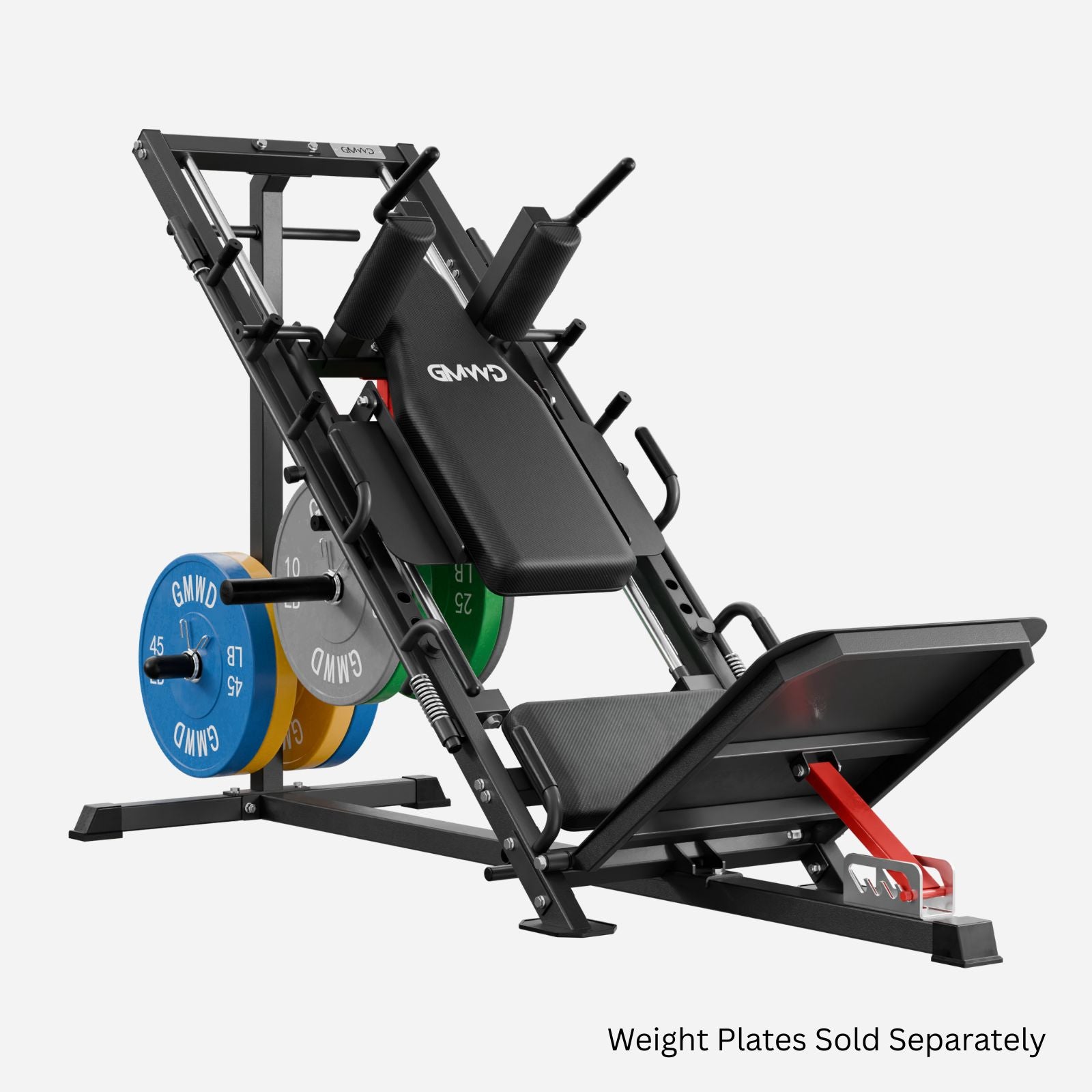
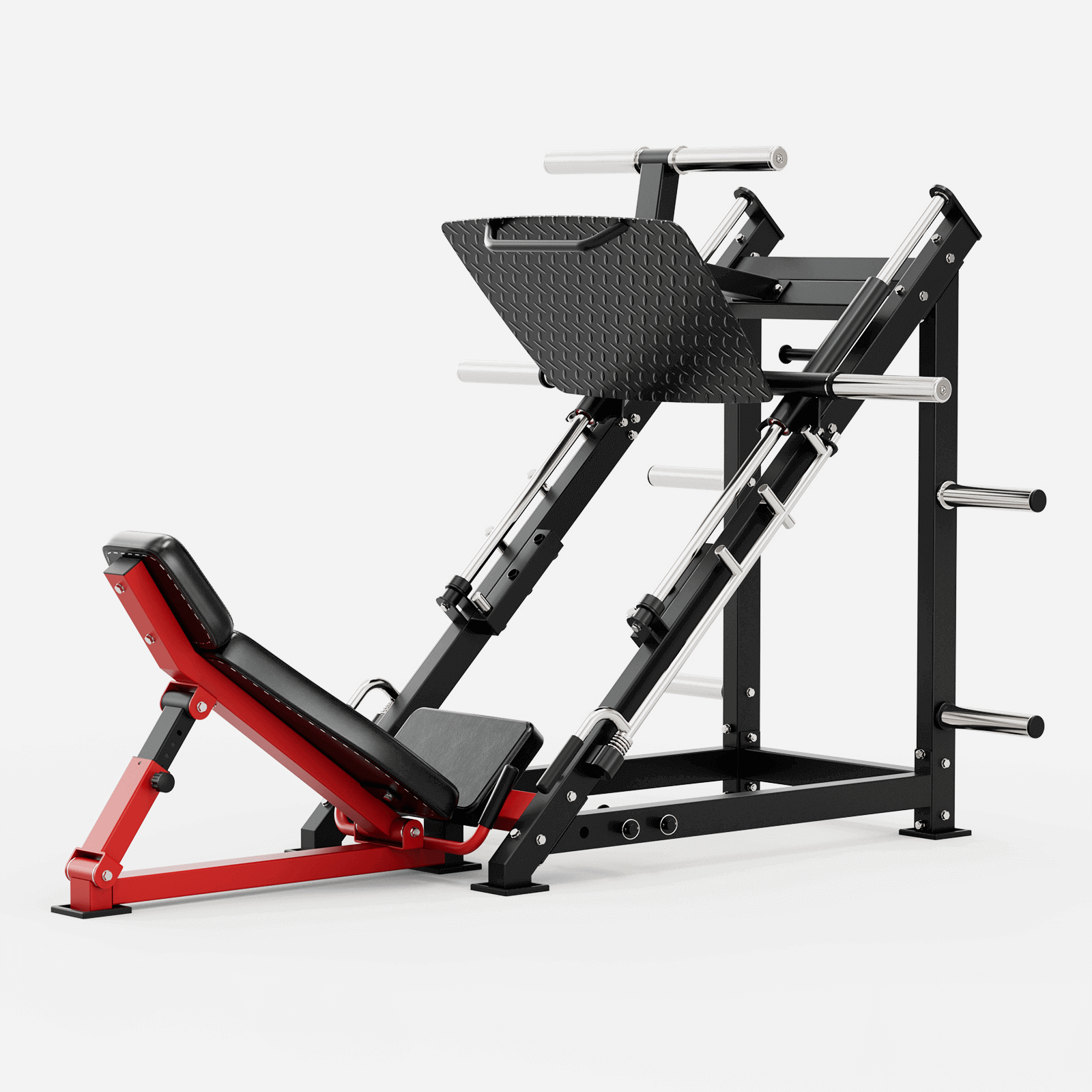
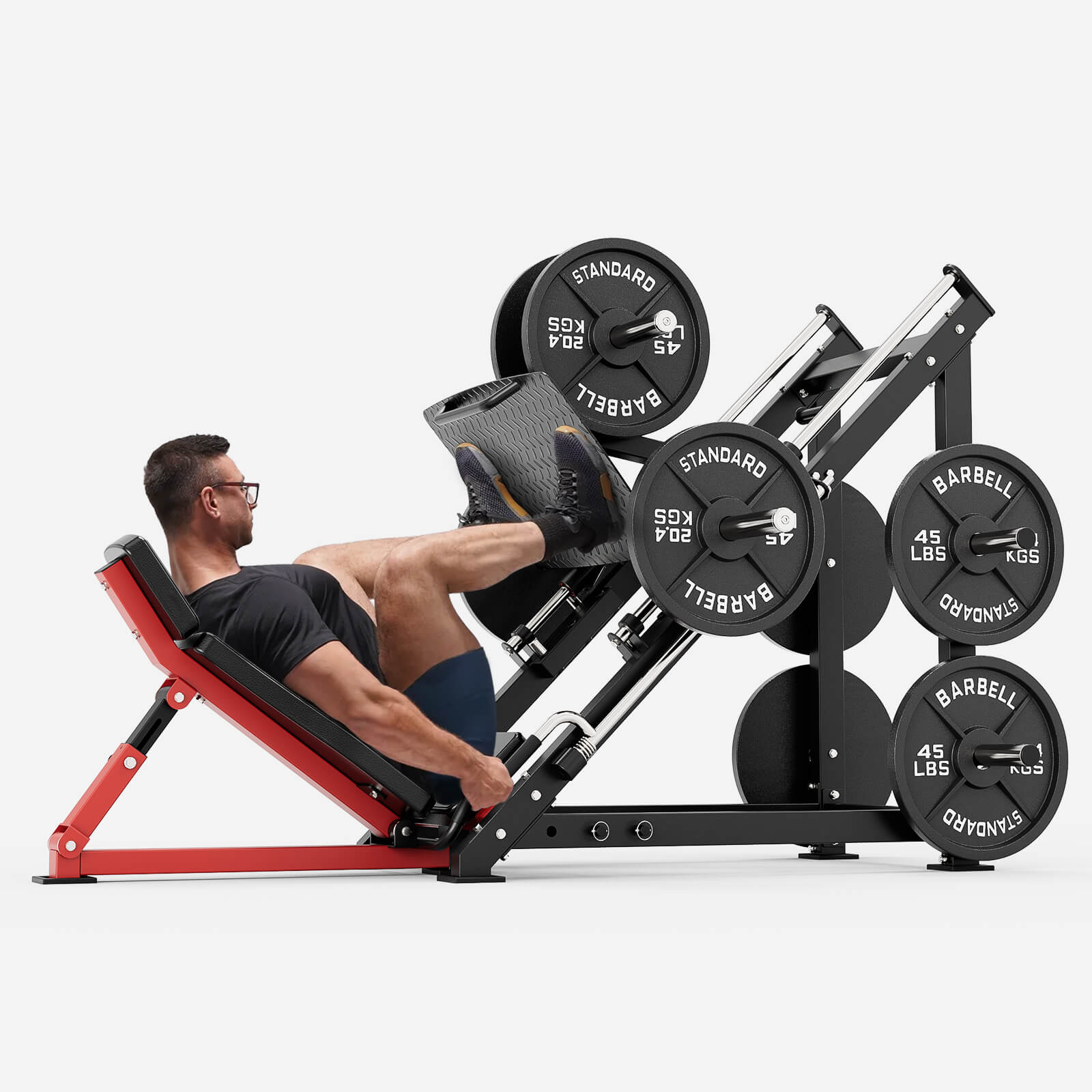
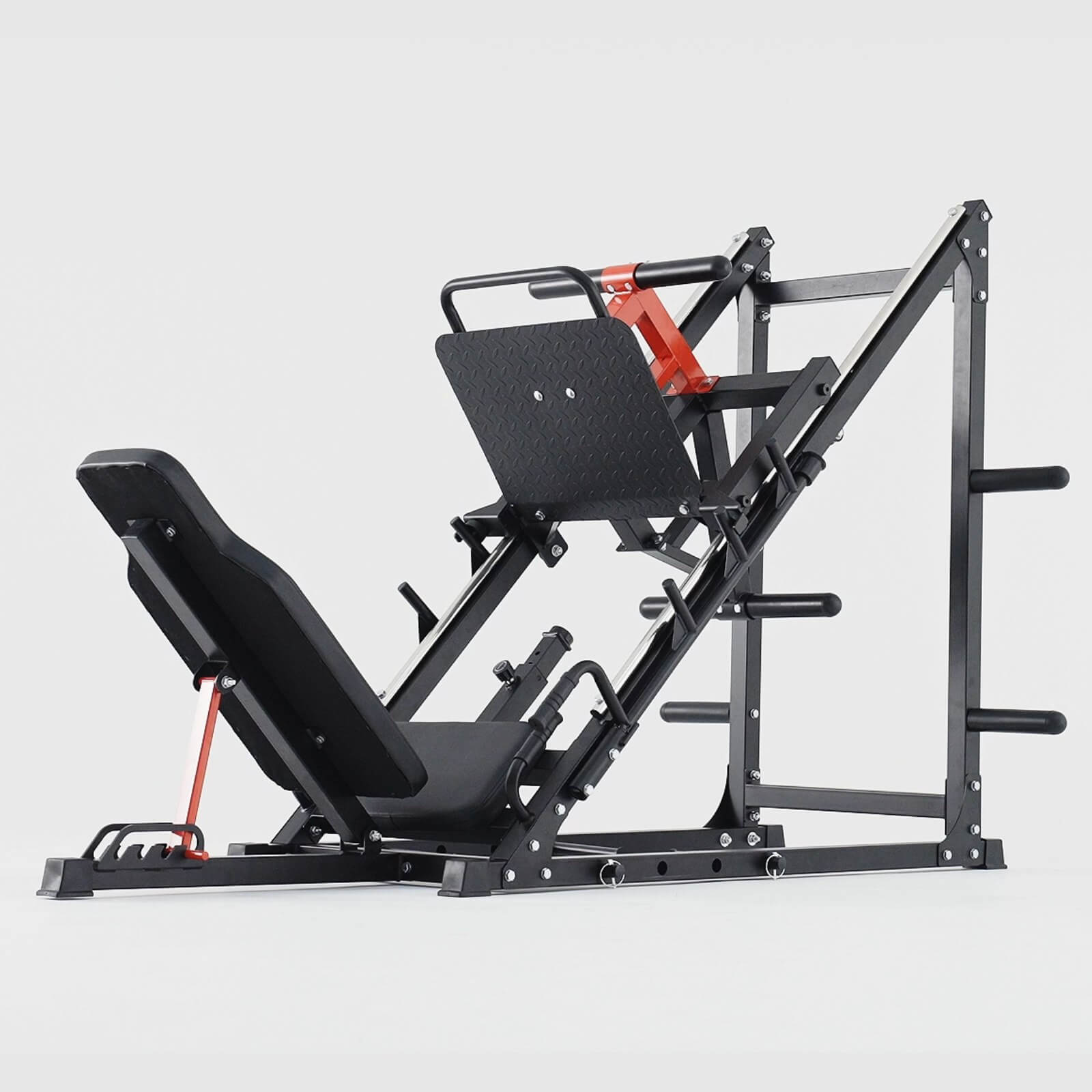
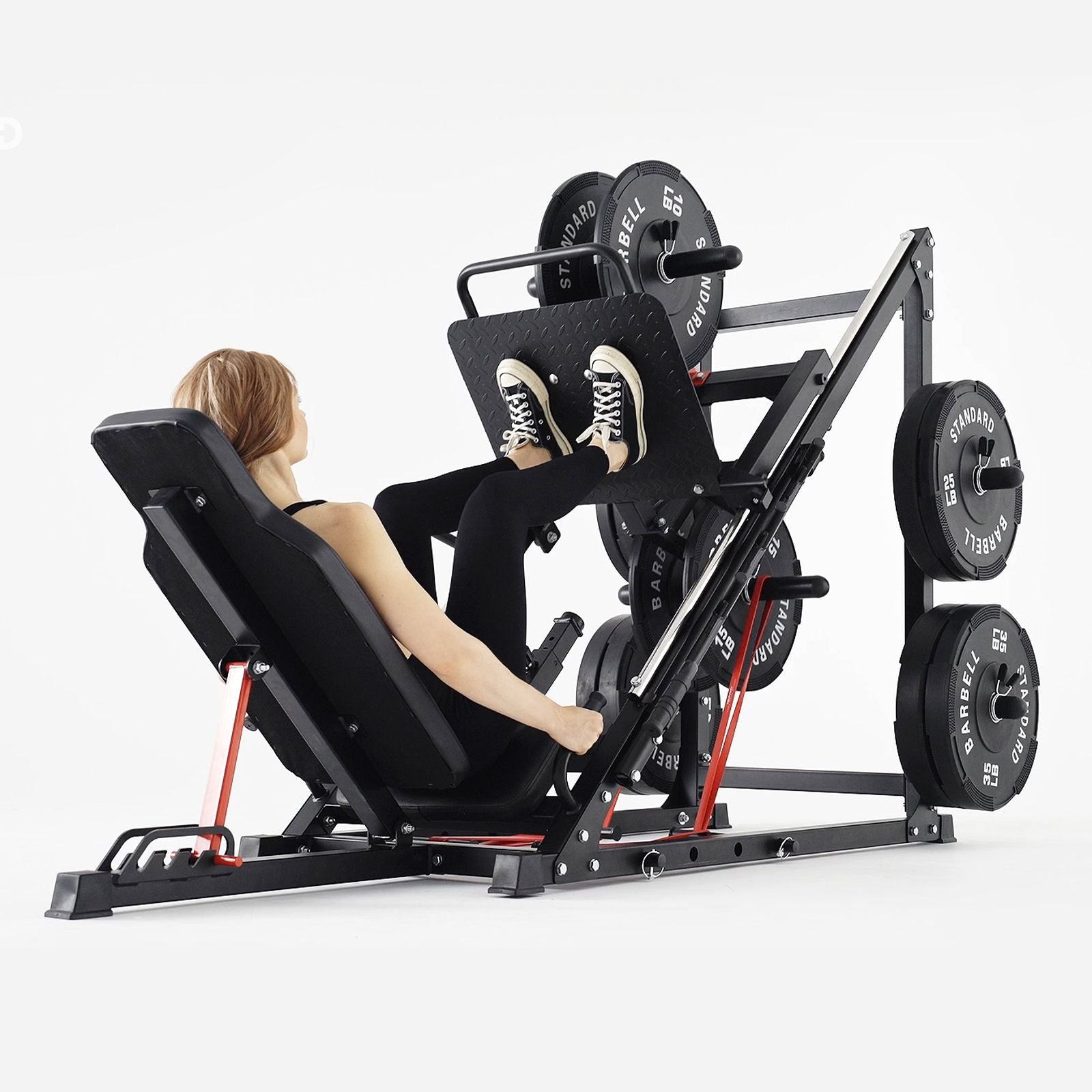
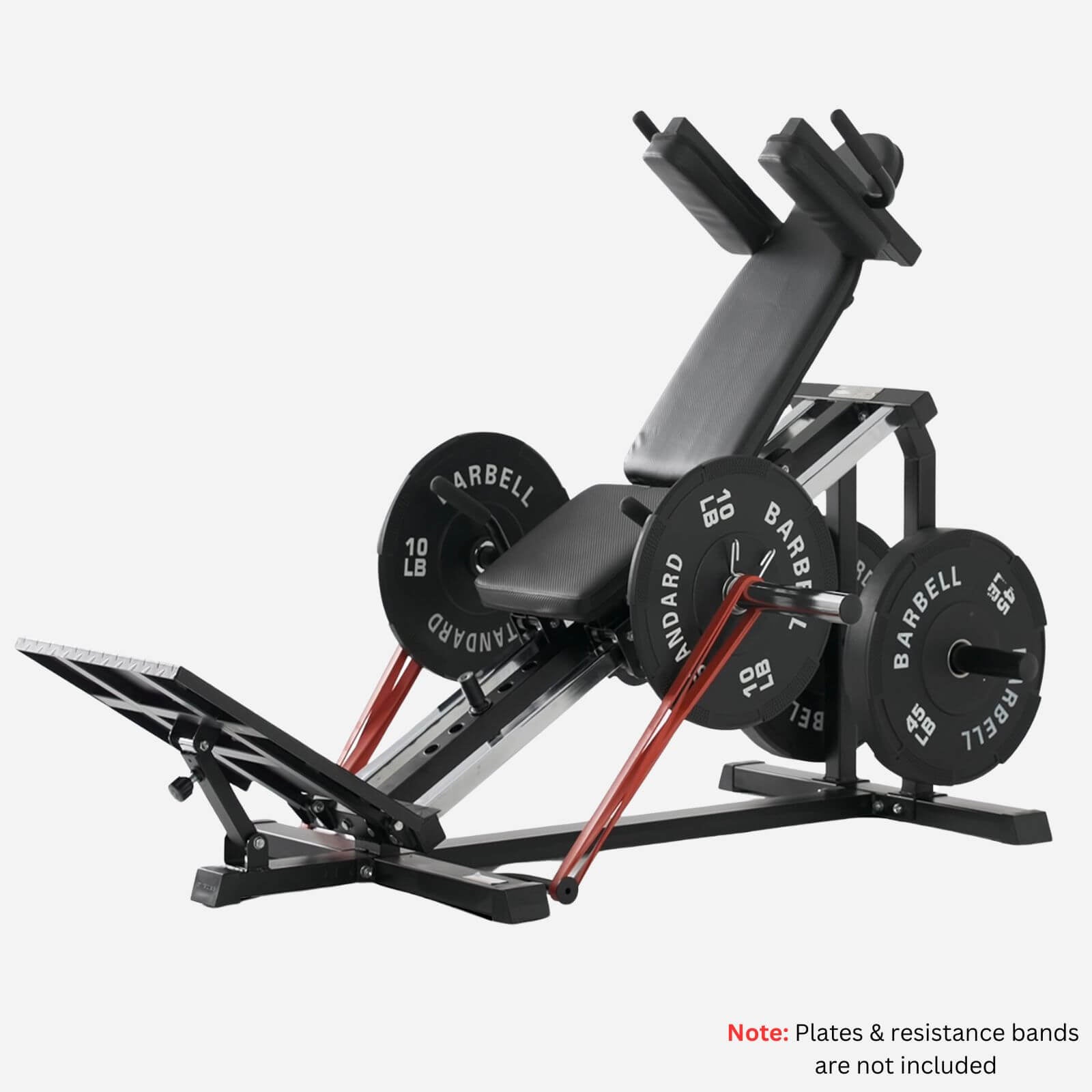
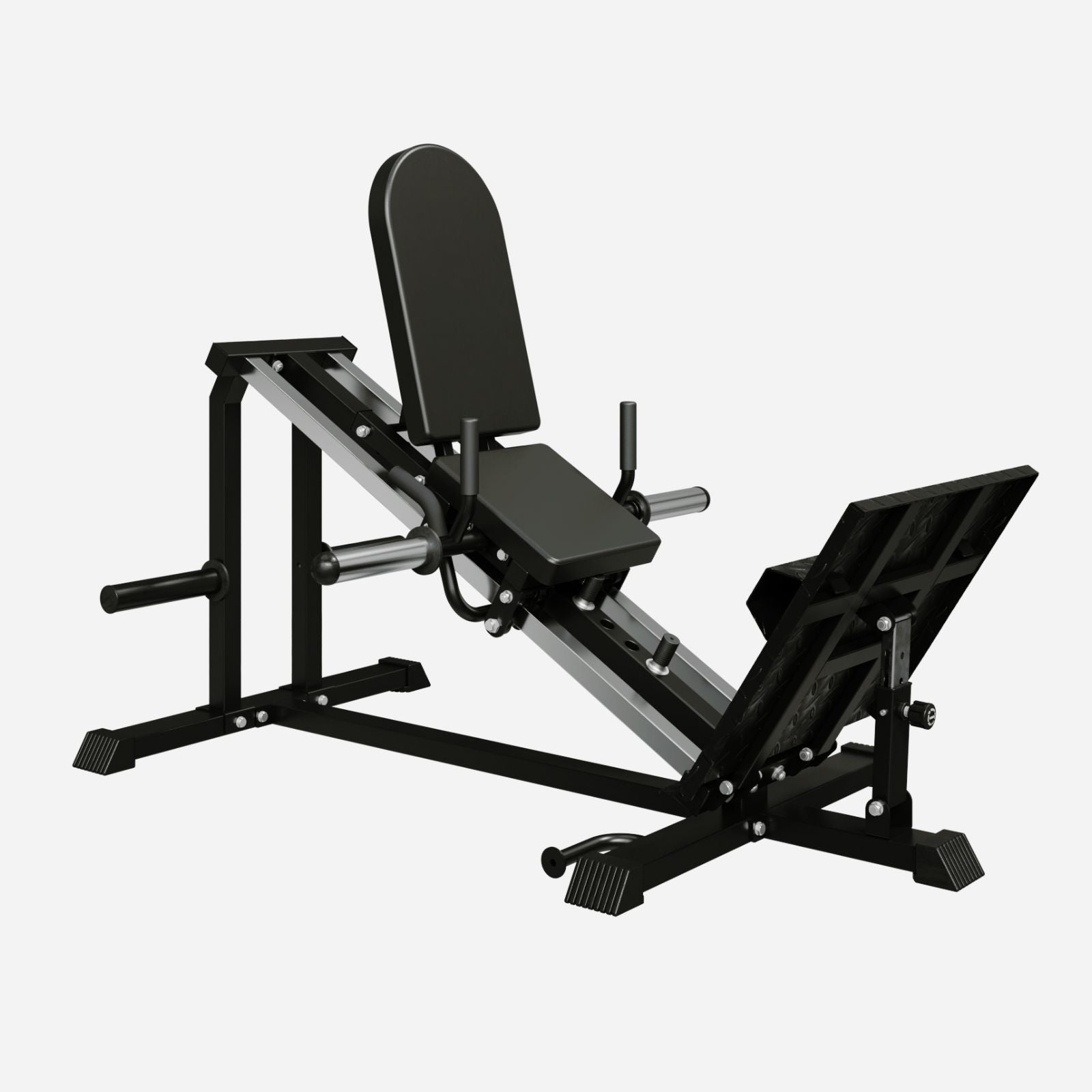
If you’ve ever tried to push your leg training further but felt limited by balance or lower back fatigue, a leg press machine is usually the next step. It lets you focus on your legs—nothing else—so you can train harder without worrying about stability.
Most people use it to build stronger quads, glutes, and hamstrings, but it’s also a solid option if you’re coming back from injury or just want a more controlled movement compared to squats.
Why People Actually Use a Leg Press Machine
There’s a reason you’ll find a leg press in almost every gym. It solves a few very real problems in lower body training:
- You can load more weight without stressing your lower back
- No need to balance a barbell—just focus on pushing
- Easy to adjust foot placement to hit different muscles
- Works well for both beginners and experienced lifters
Different Types of Leg Press Machines
Not all leg press machines feel the same. The design actually changes how the movement works.
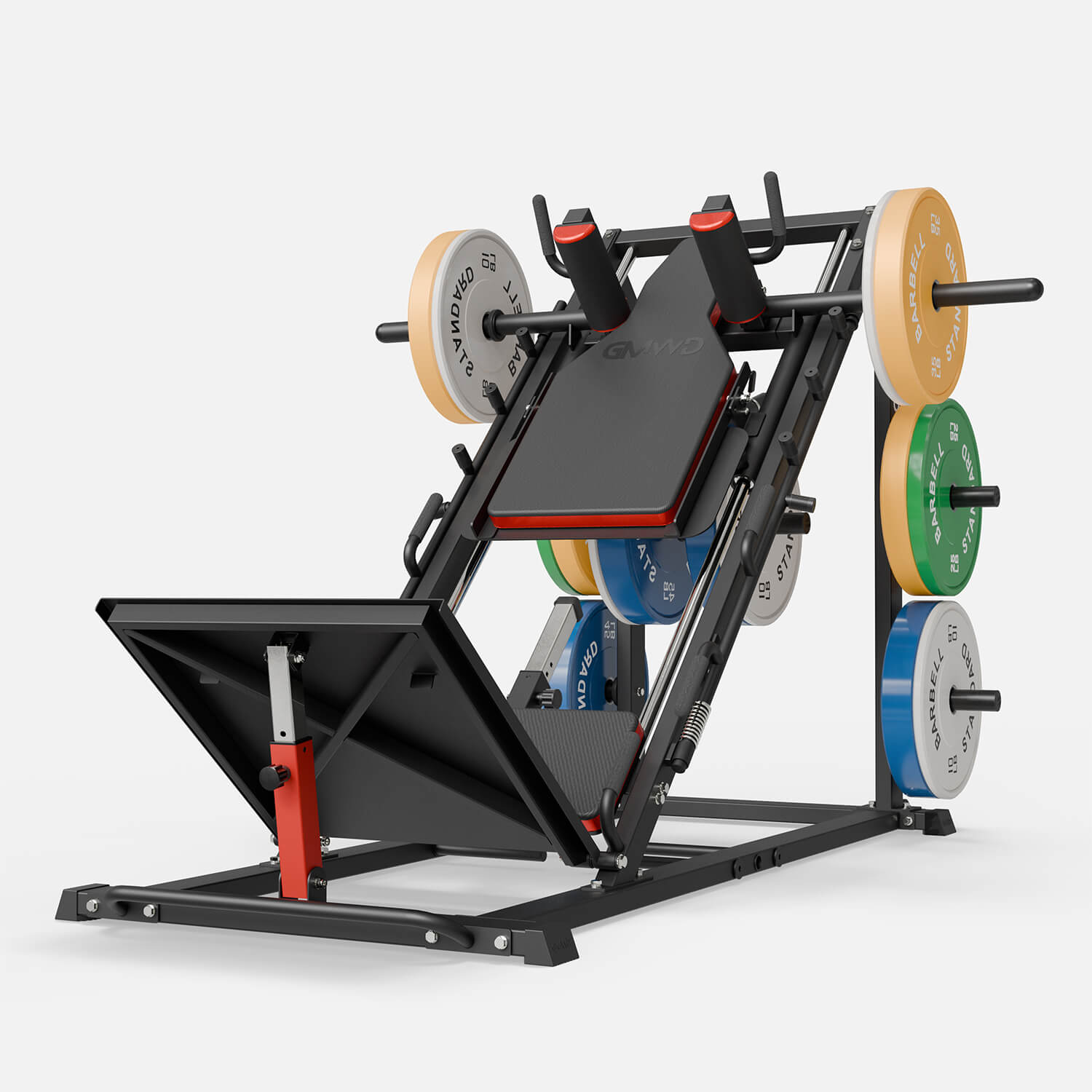
45-Degree Leg Press
This is the one most people are familiar with. It’s plate-loaded, feels natural, and lets you go heavy. If your goal is size and strength, this is usually the first choice.
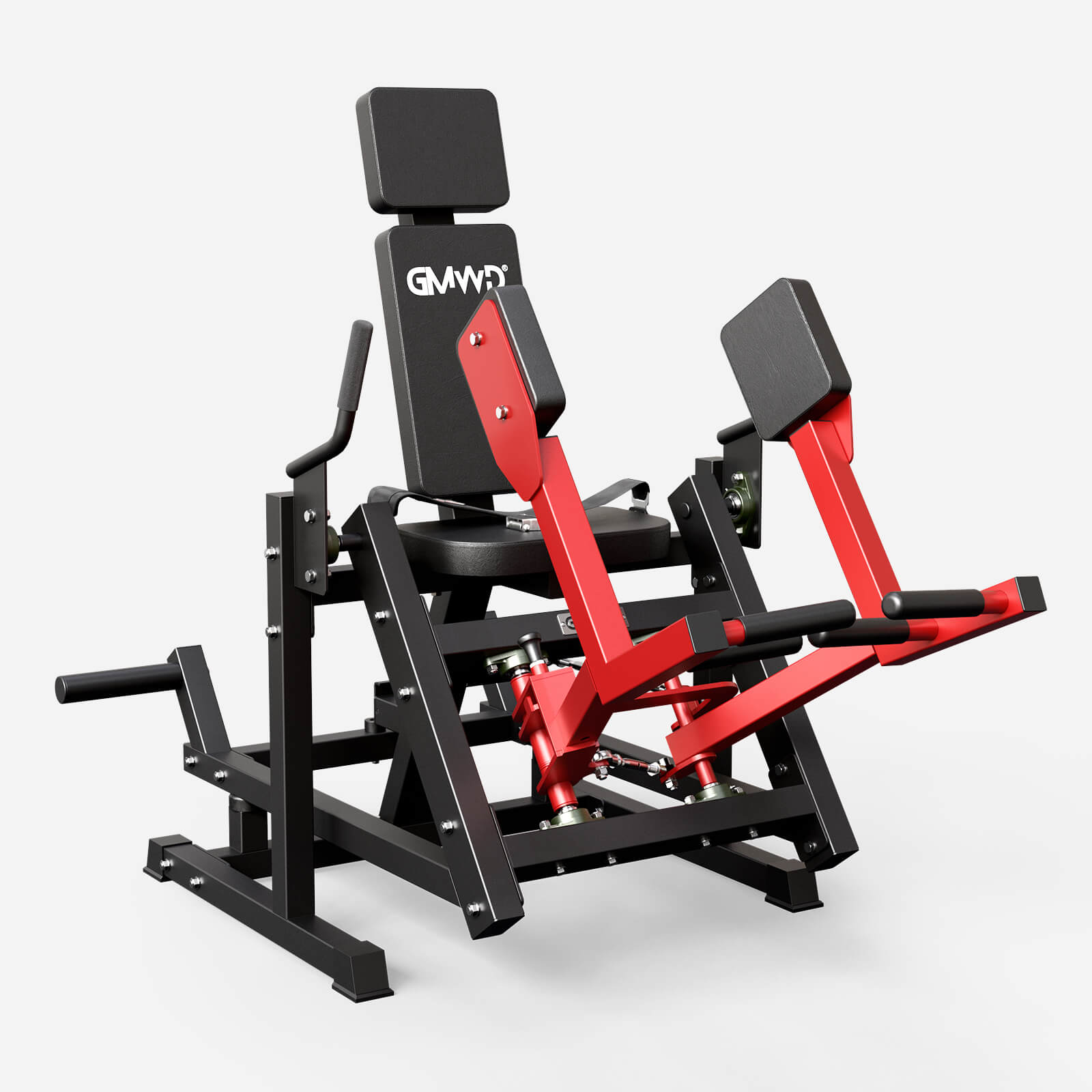
Seated Leg Press
A bit more compact and easier on the lower back. Good for beginners or anyone who prefers a smoother, more controlled motion.
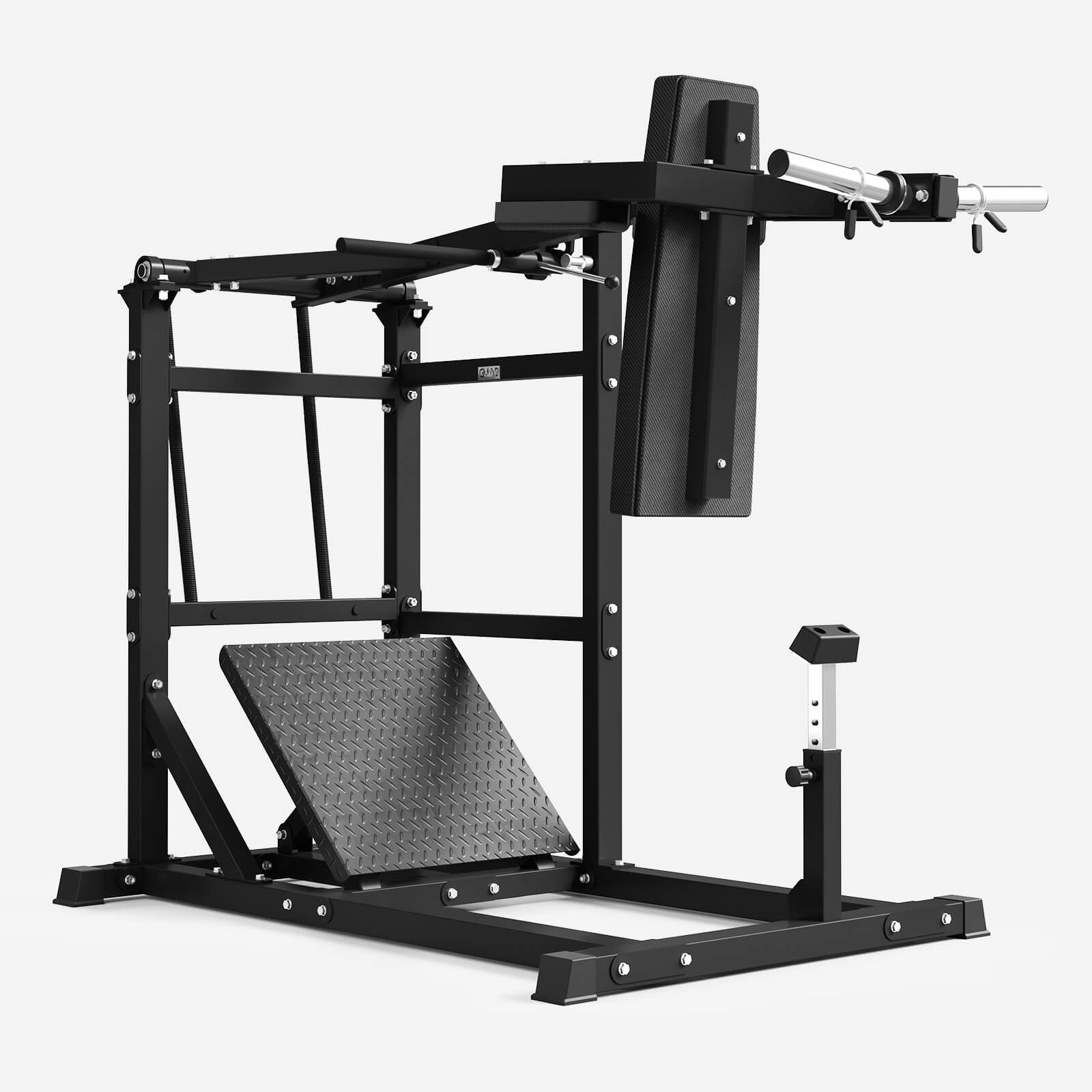
Vertical Leg Press
Takes up less space, but the angle changes the feel quite a bit. Some people like it, some don’t—it really comes down to preference.
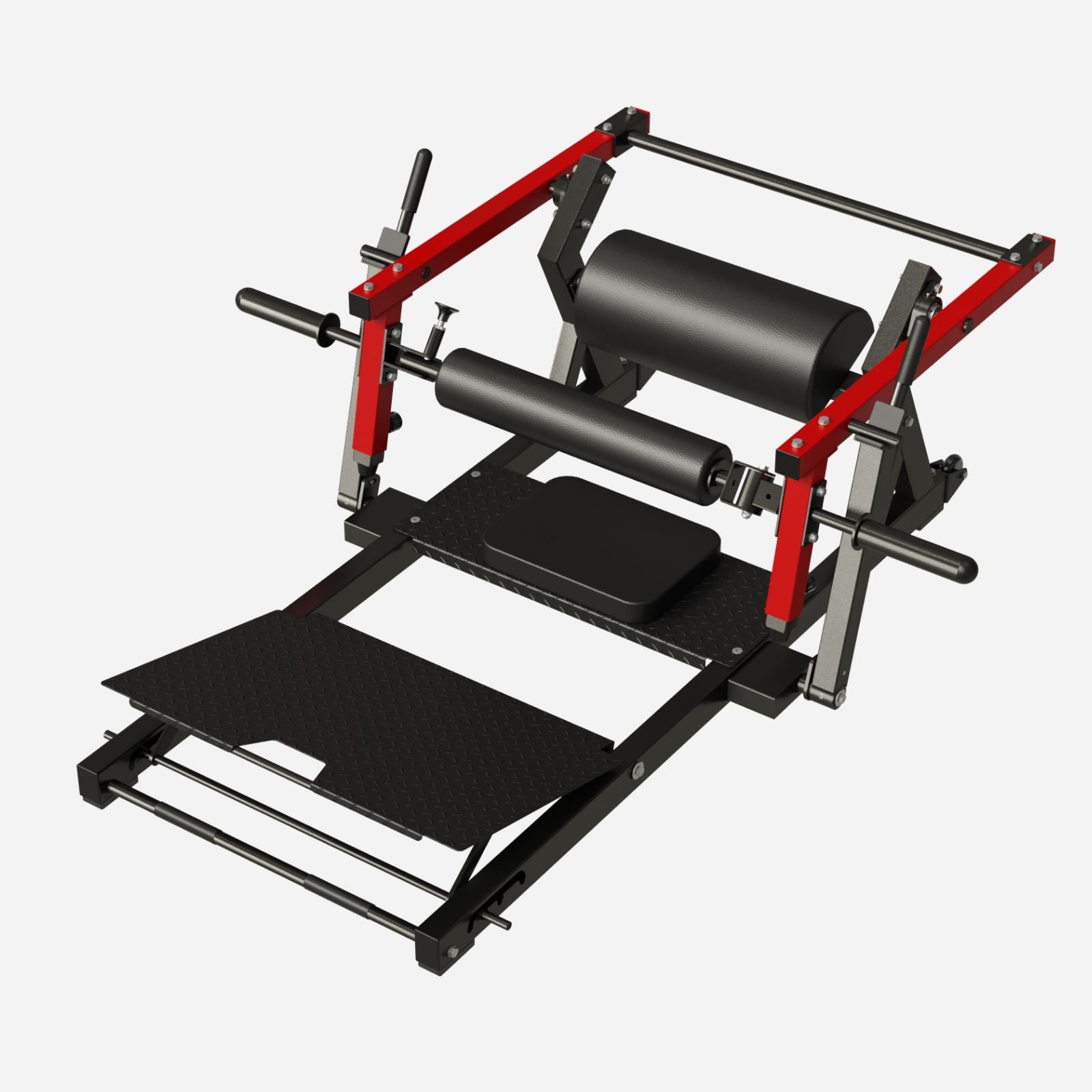
Leg Press + Hack Squat Combo
If you’re building a home gym, this type makes a lot of sense. You get two movements in one machine, which saves both space and budget.
Leg Press vs Squats (Which One Do You Need?)
This comes up a lot, but it’s not really an either/or situation.
- Leg press is more controlled and easier to push close to failure
- Squats involve more muscles and carry over better to real-world strength
Most lifters end up using both. Squats for overall strength, leg press for volume and muscle focus.
What to Look for Before Buying
If you’re choosing a leg press machine for a home gym, a few practical things matter more than anything else:
- Space – Measure first. These machines are bigger than they look
- Load capacity – Especially important if you plan to go heavy
- Smoothness – The movement should feel consistent, not jerky
- Versatility – Combo machines can save space
Who Leg Press Machine Is Actually For
- People building out a home gym step by step
- Beginners who aren’t comfortable with barbell squats yet
- Lifters who want to push leg training harder without back fatigue
- Anyone recovering from minor injuries and needing more control
Find the Right Leg Press for Your Setup
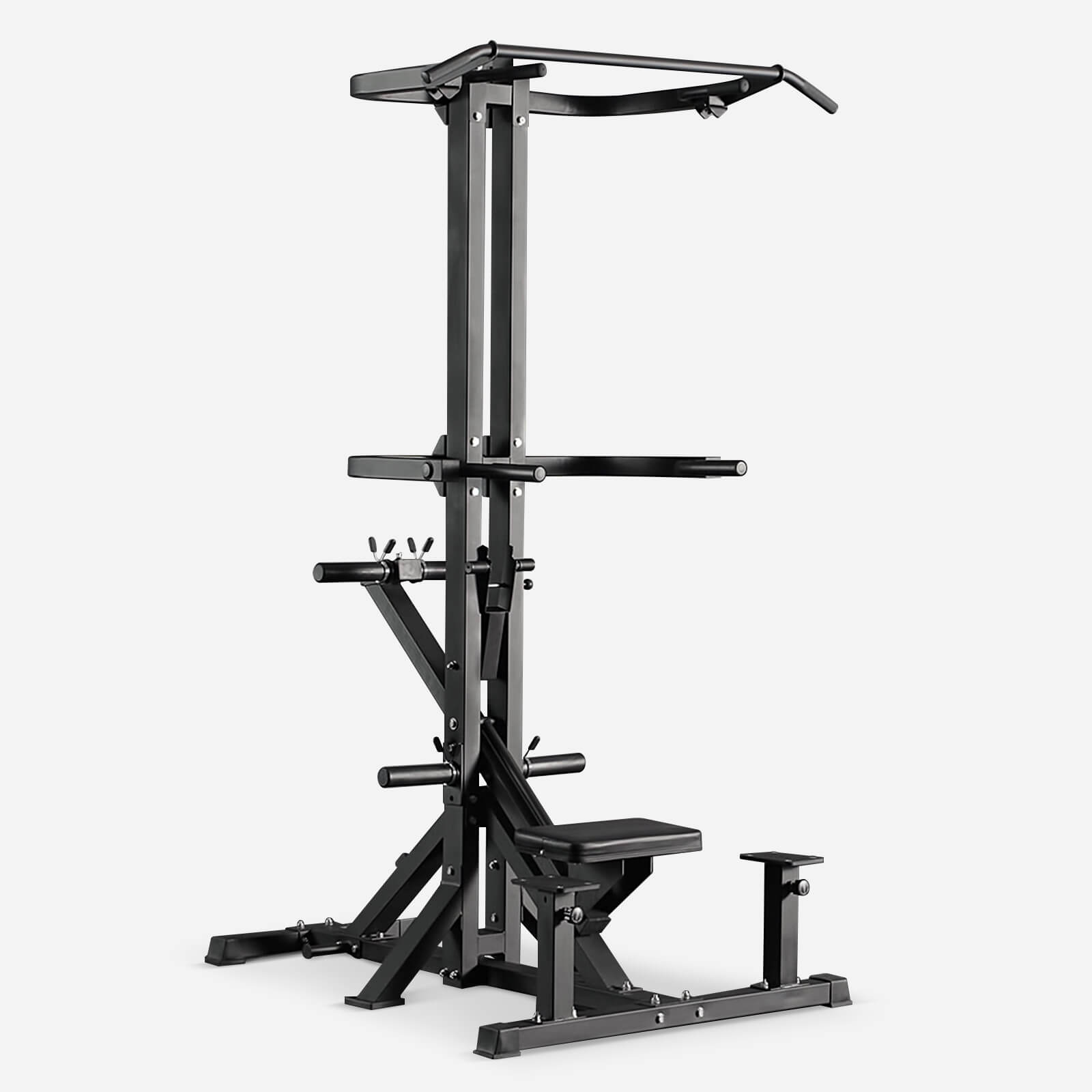
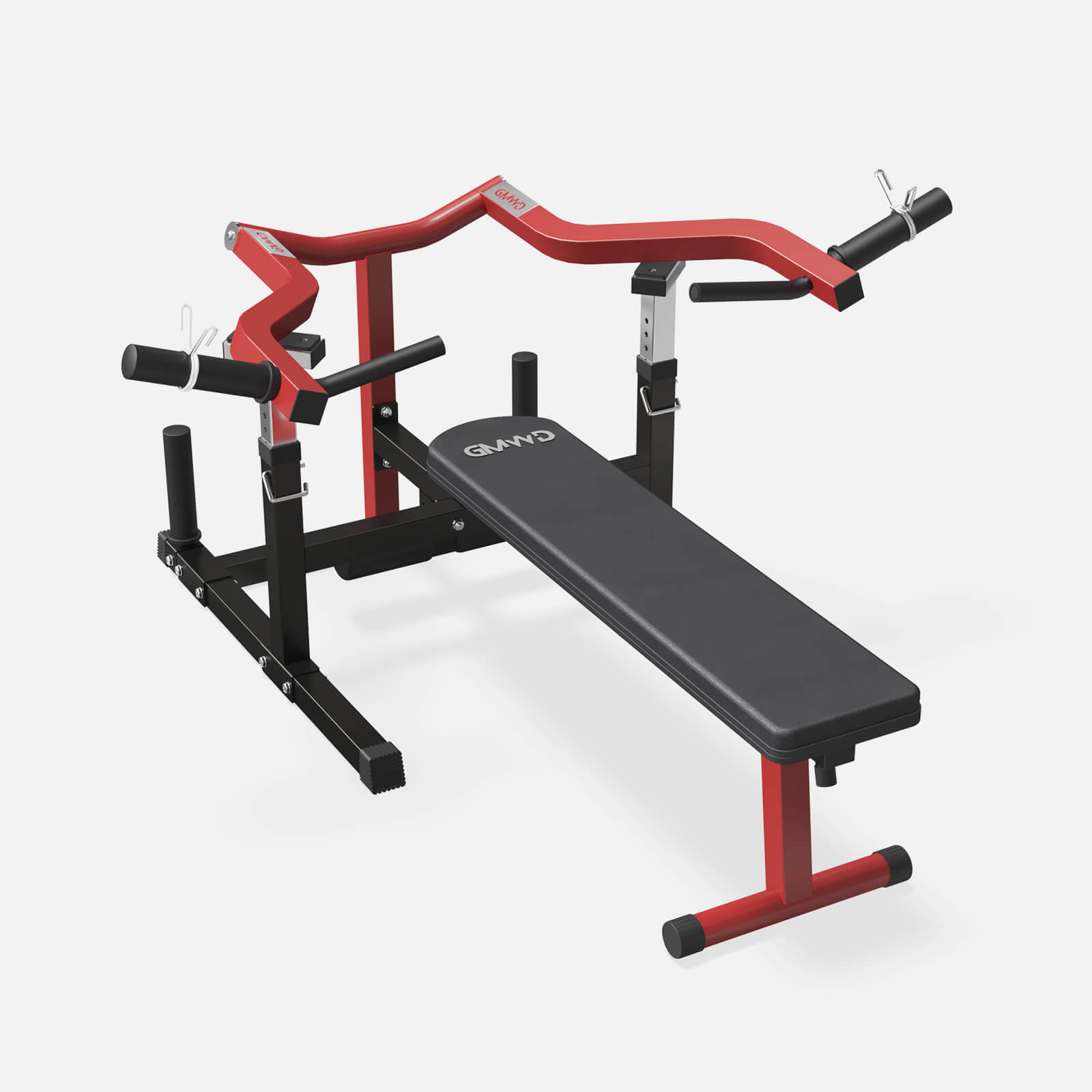
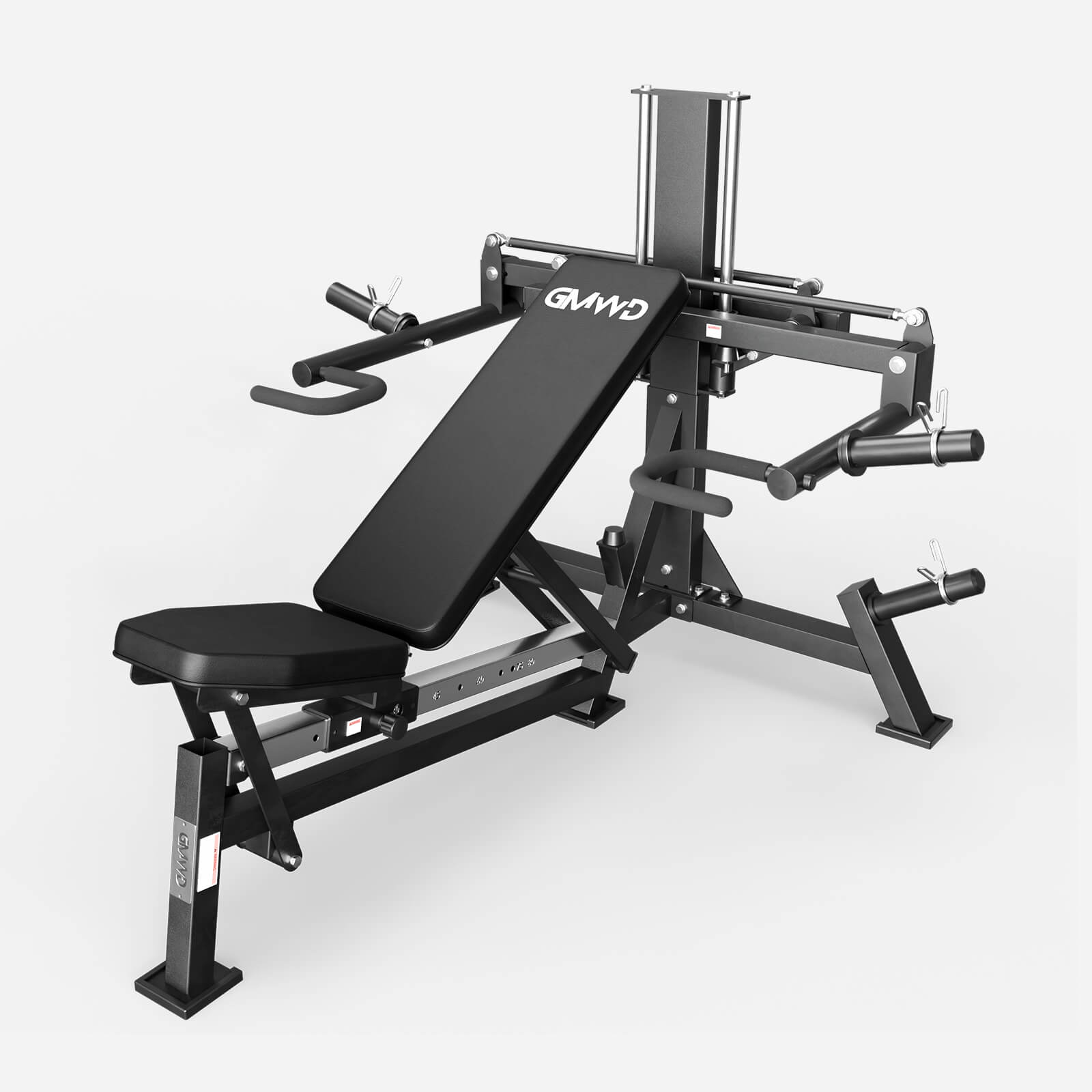
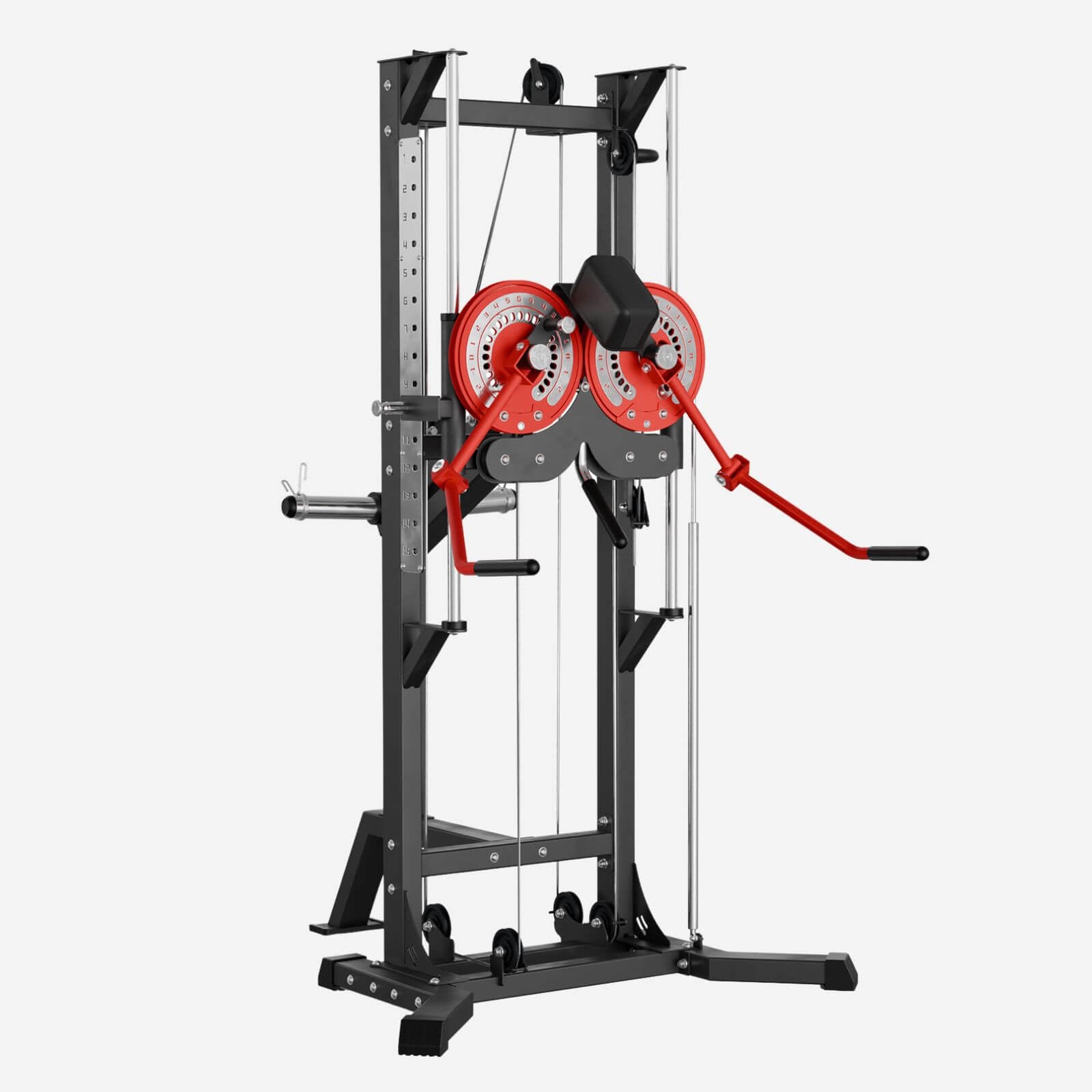
Take a look through our current lineup of leg press machines. Whether you need something compact for a home gym or a heavier-duty option, you’ll find models that are built to handle real training—not just light use.
Quick Comparison: Find Your Perfect Match
| Model | Best For | Key Feature | Footprint |
|---|---|---|---|
| DD07 2-in-1 | Versatility | Leg Press & Hack Squat Combo | Medium |
| LP09 Leg Sled | Small Spaces | 30° Smooth Glide Rail | Compact |
| Pro 45° Press | Heavy Lifting | 1,000lb+ Weight Capacity | Large |
Frequently Asked Questions
Is a 45-degree leg press better than a horizontal one?
It depends on your goal. A 45-degree leg press usually allows heavier loading and feels more natural for most lifters, while a horizontal version tends to be more compact and easier on the lower back.
Can I perform hack squats on these machines?
Yes. Some models are designed as combo units. For example, the DD07 2-in-1 Machine lets you switch between leg press and hack squat quickly, which is especially useful in home gyms.
Do these machines take Olympic or standard plates?
Most leg press machines are built for 2-inch Olympic plates so they can safely support heavier loads. Always double-check the product specs before buying.
How much ceiling height do I need?
Many machines are designed to fit in standard home spaces with around 8-foot ceilings, but dimensions can vary. It's a good idea to measure your space and compare it with the product specifications.