

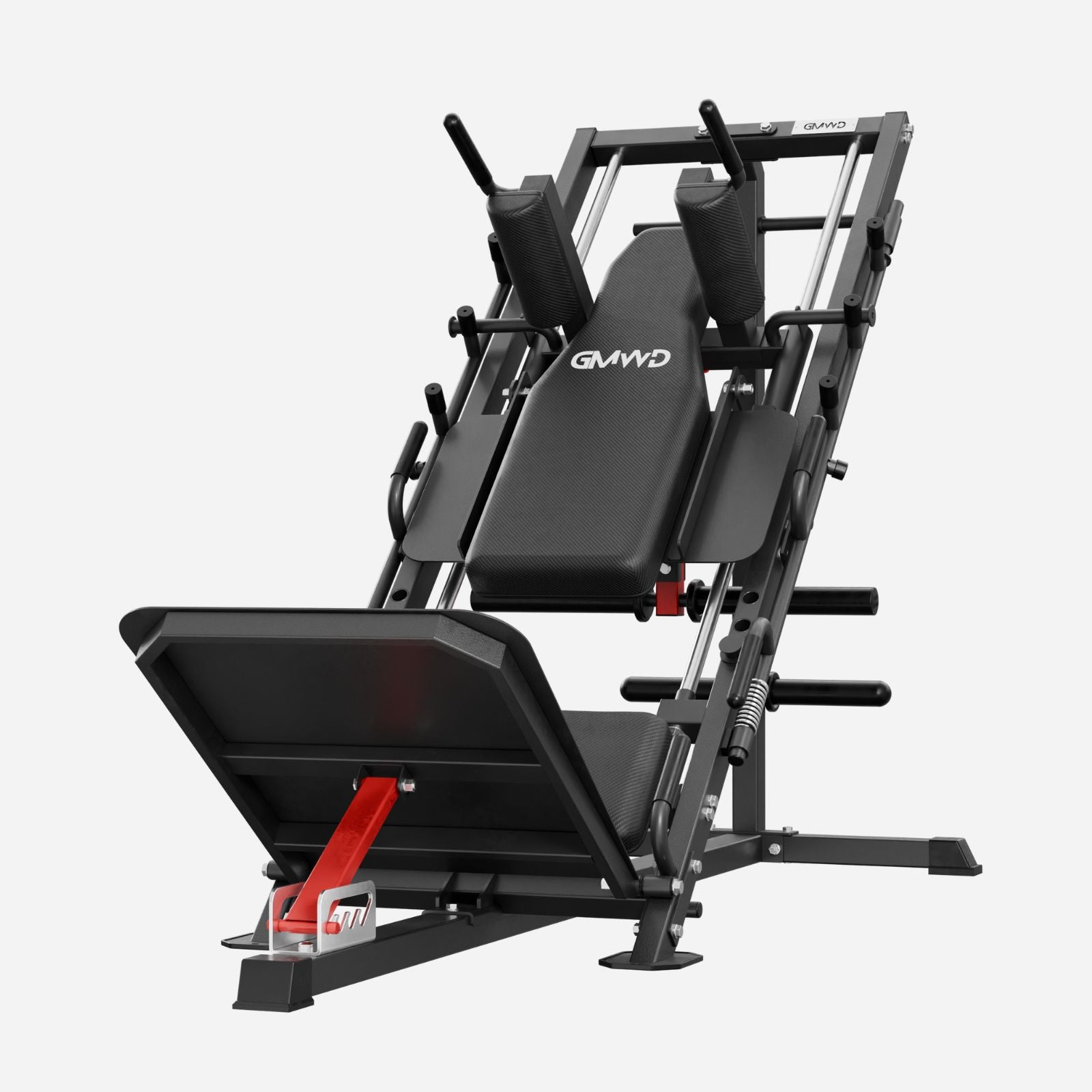
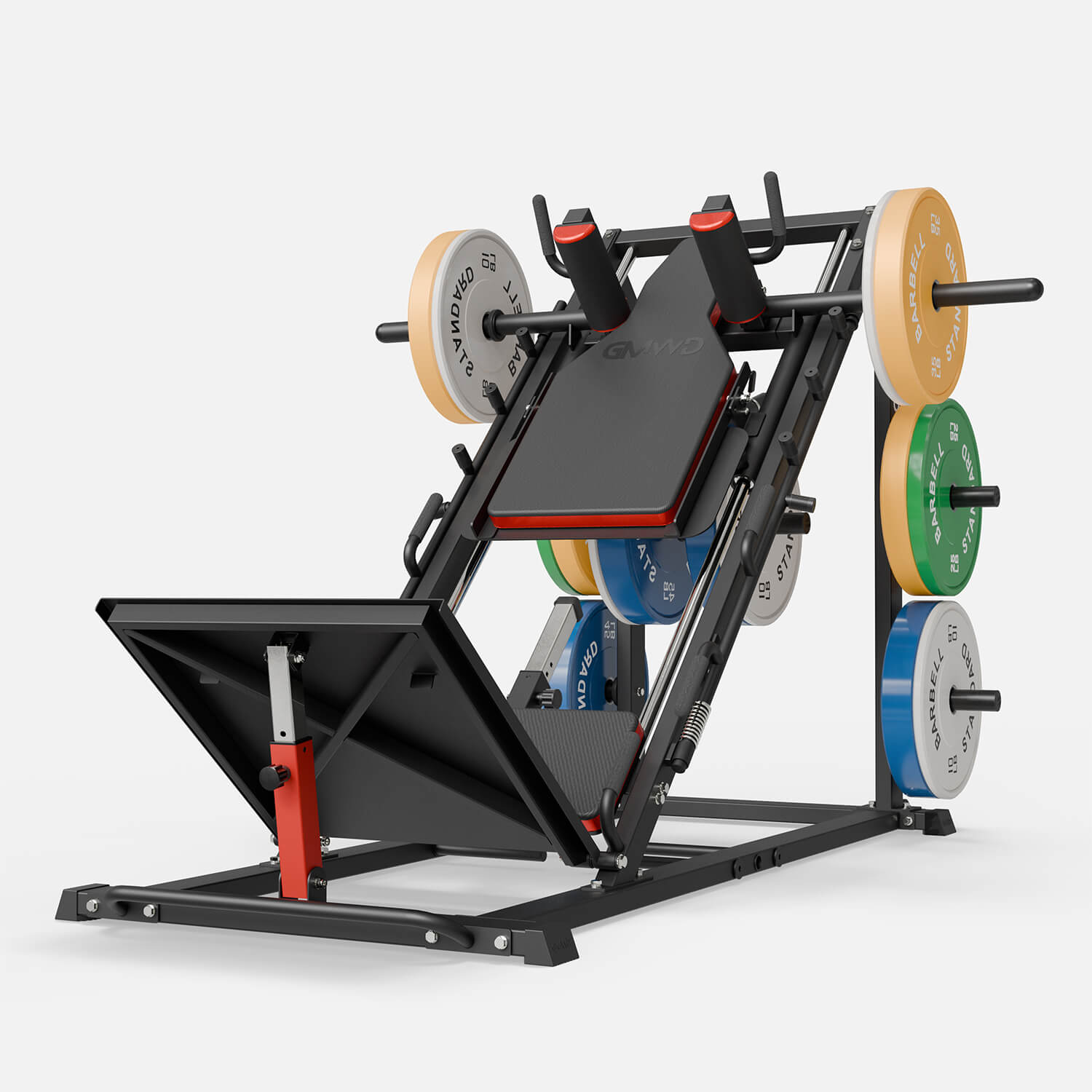


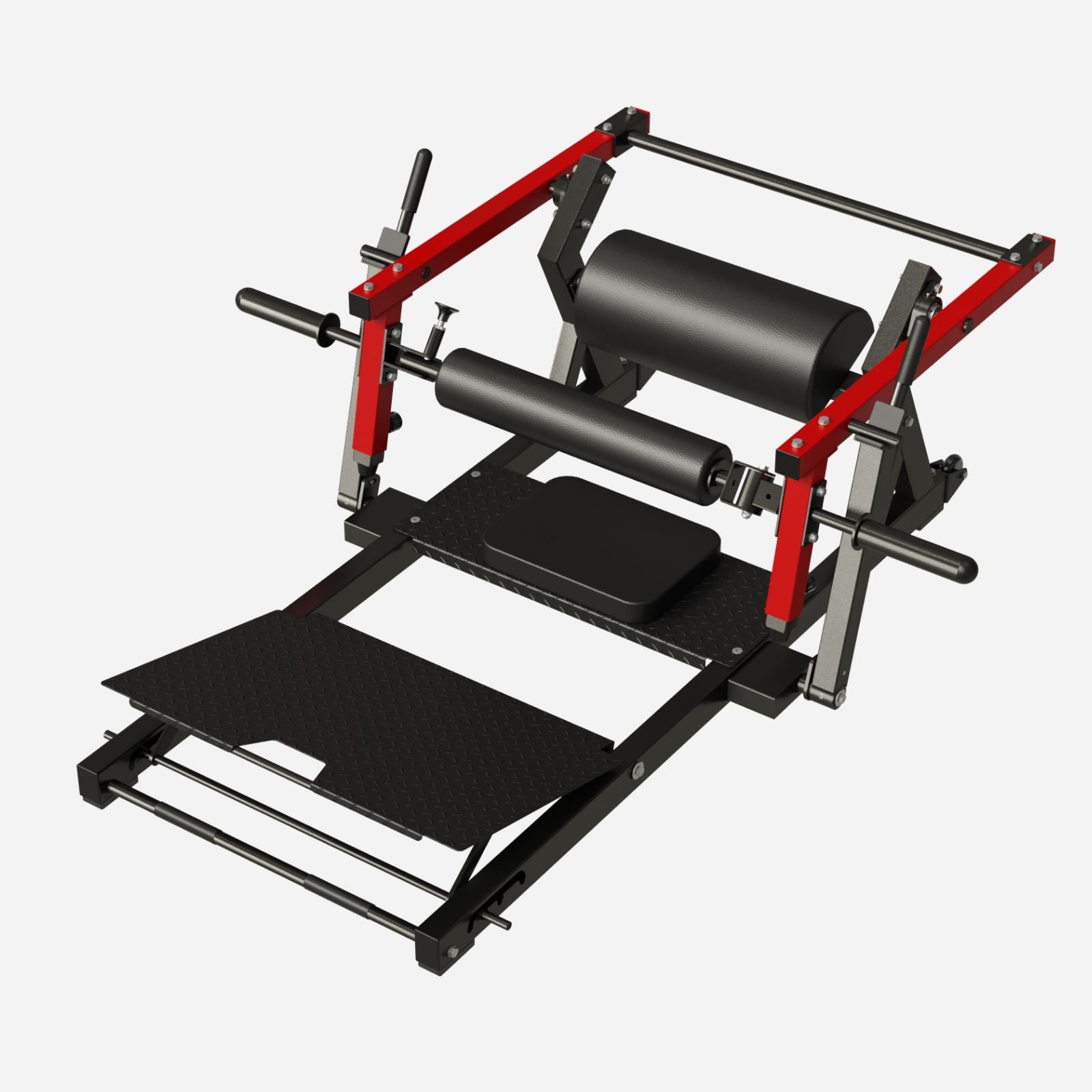

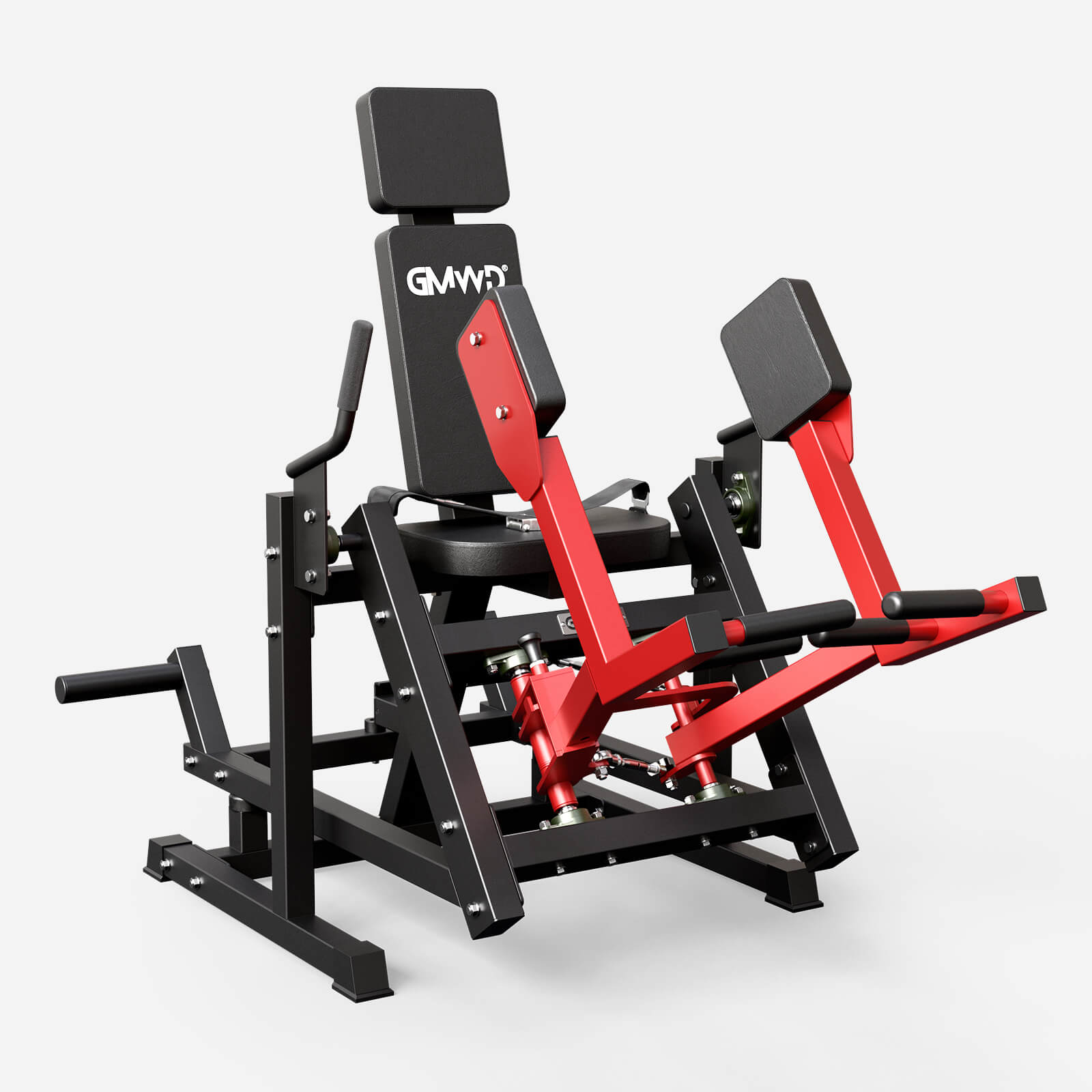
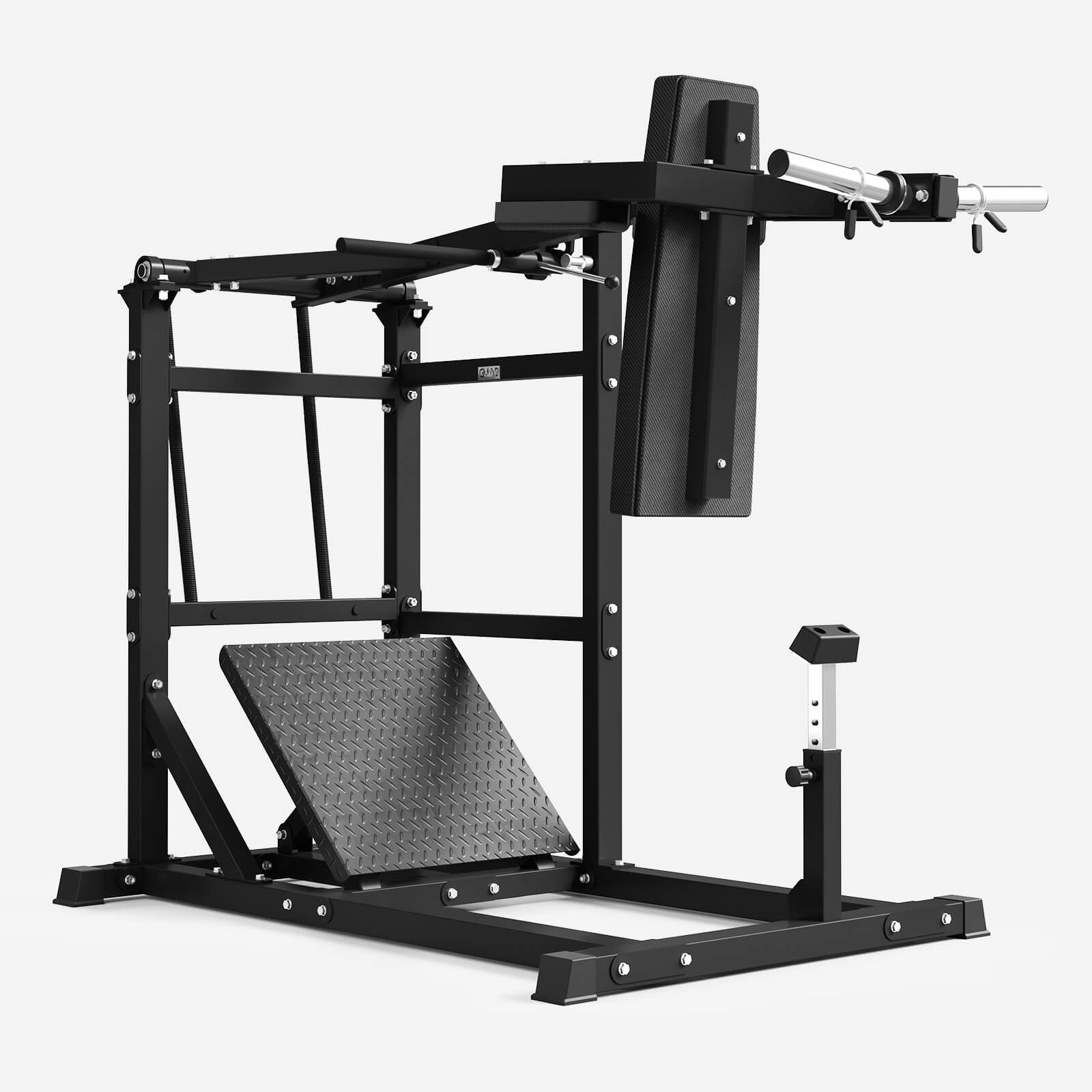
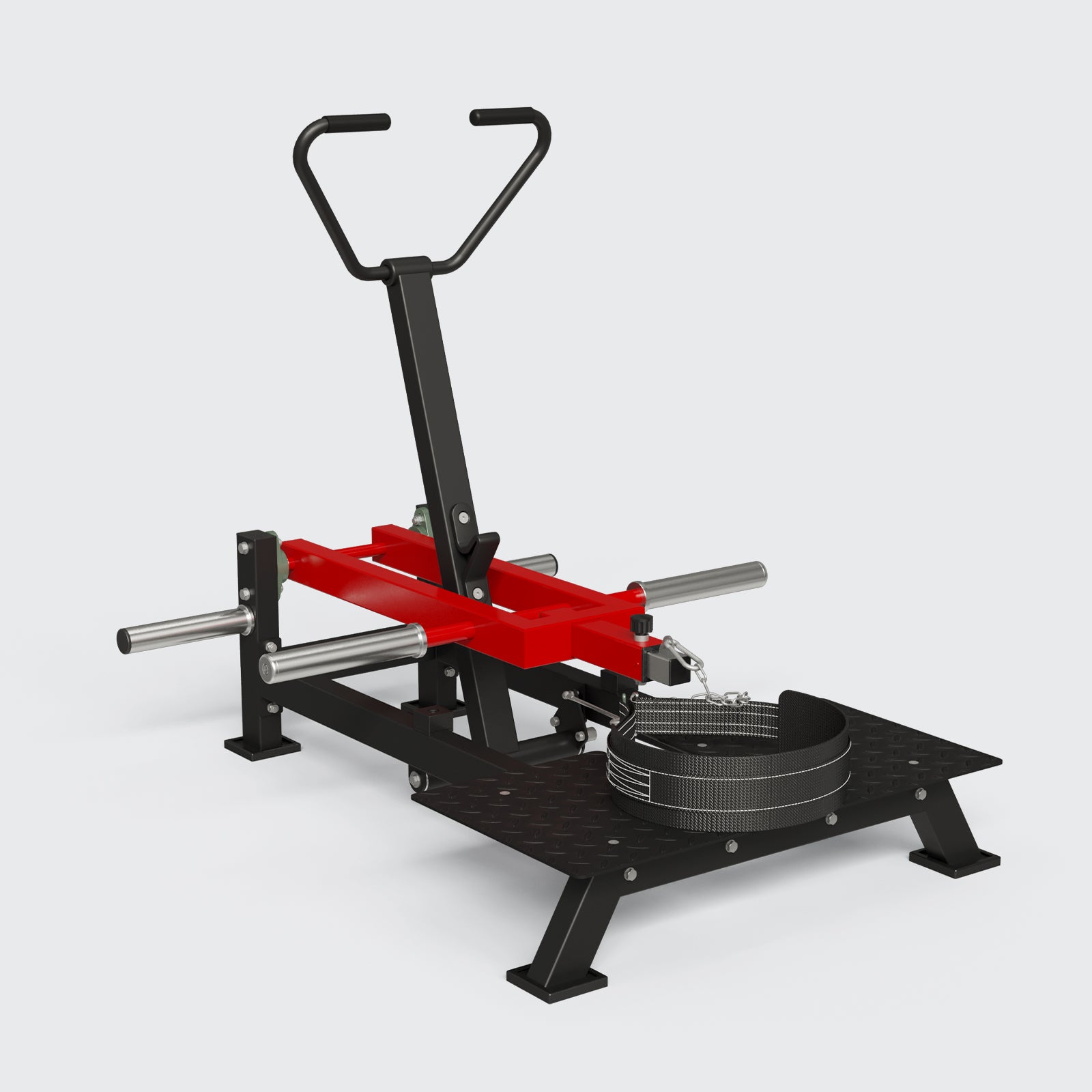

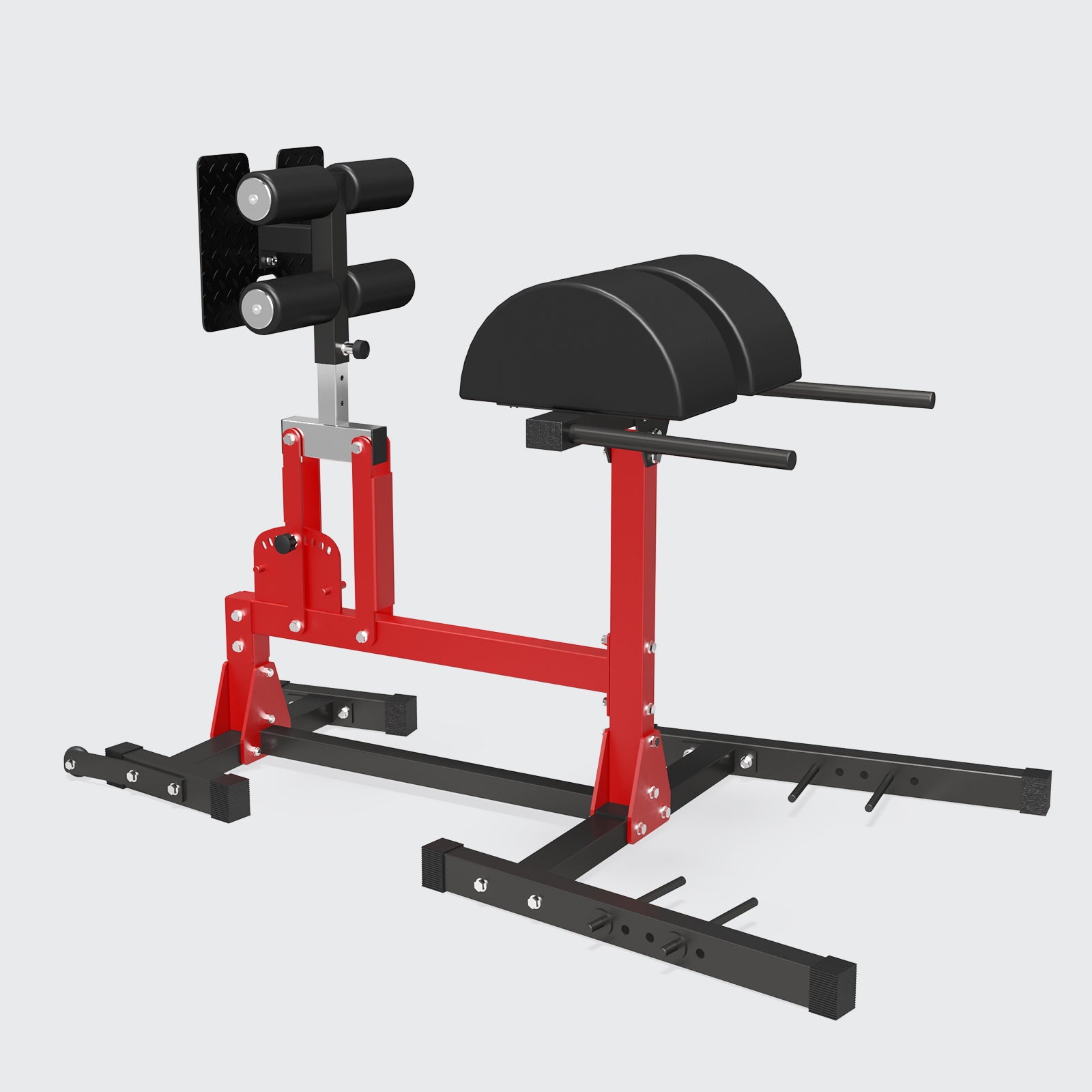
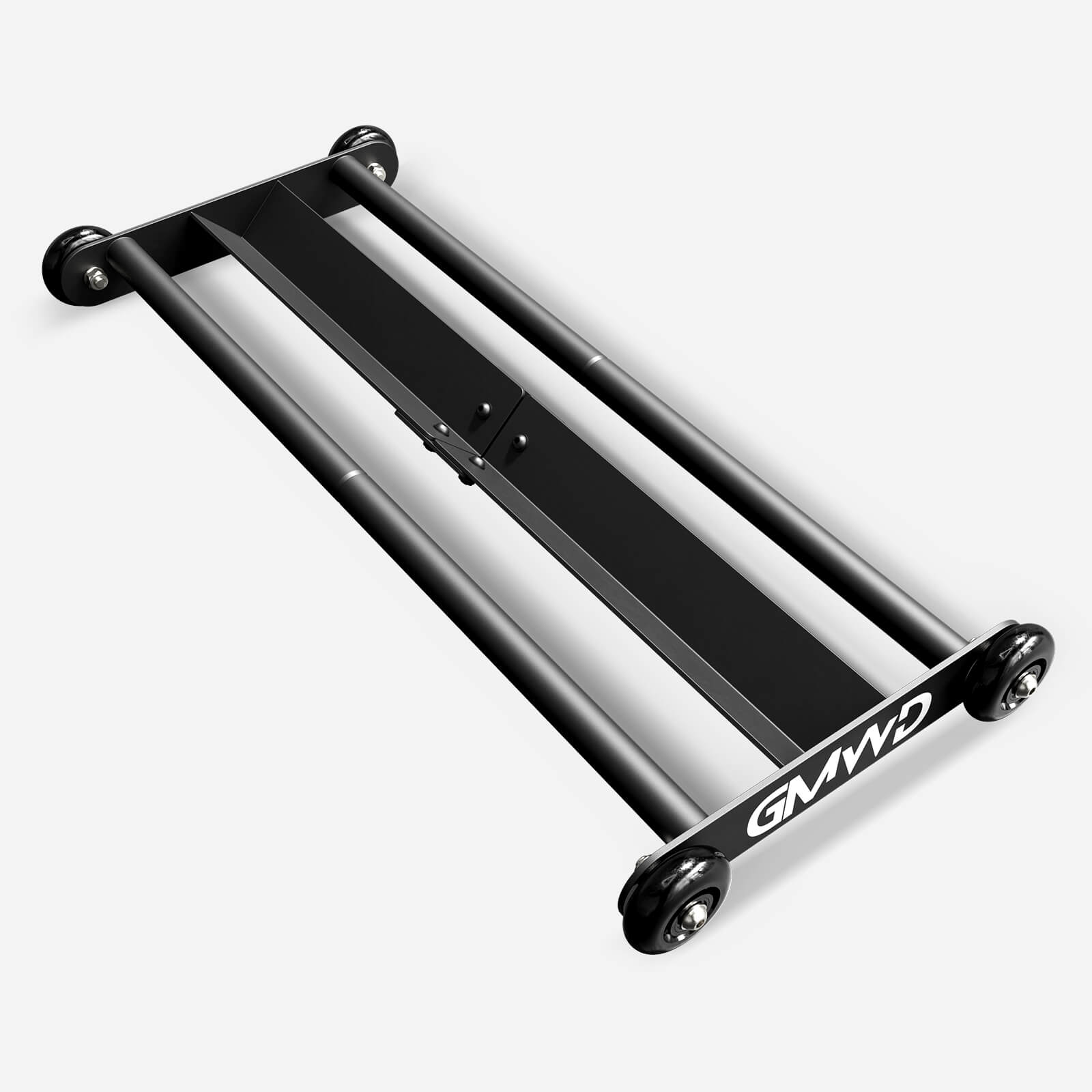

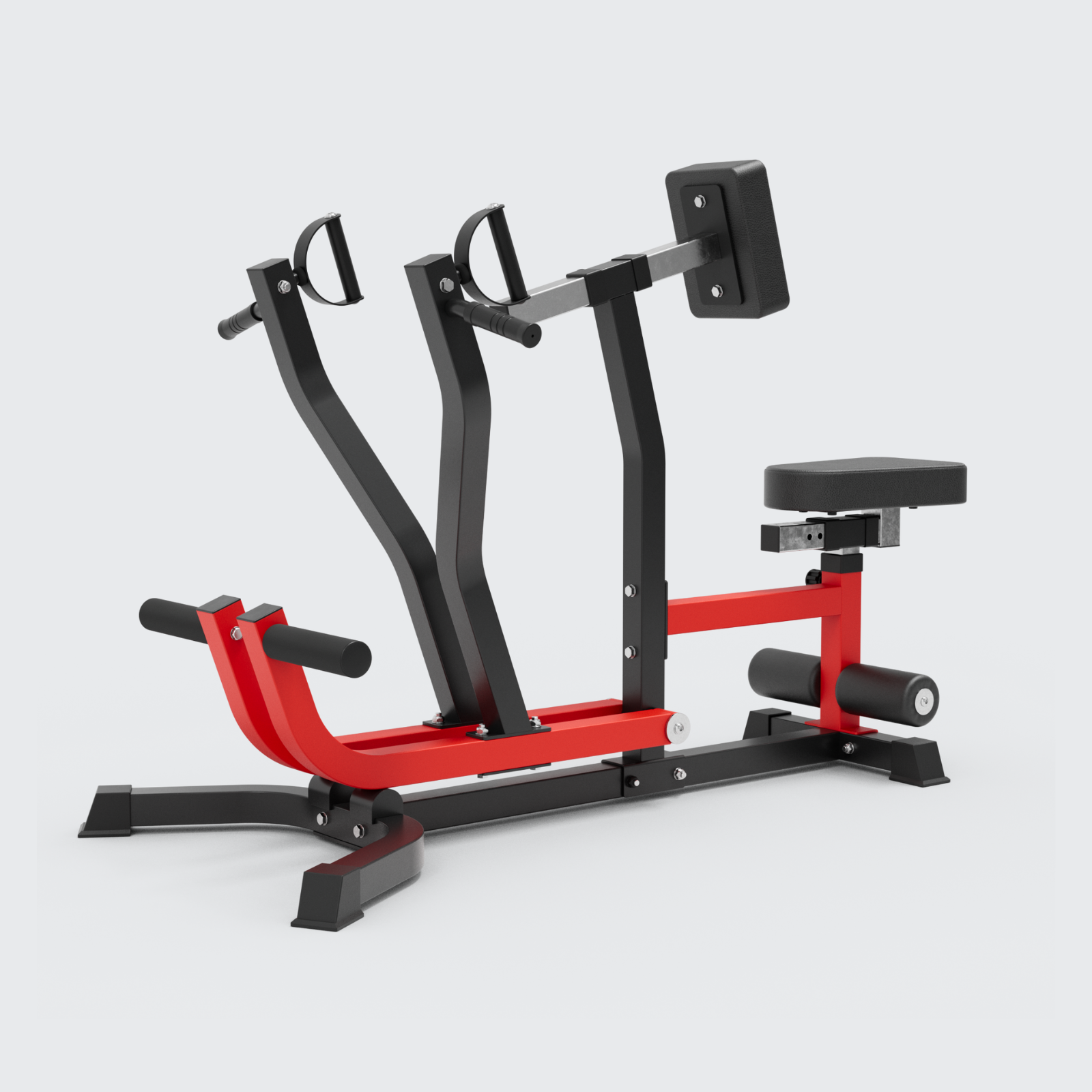
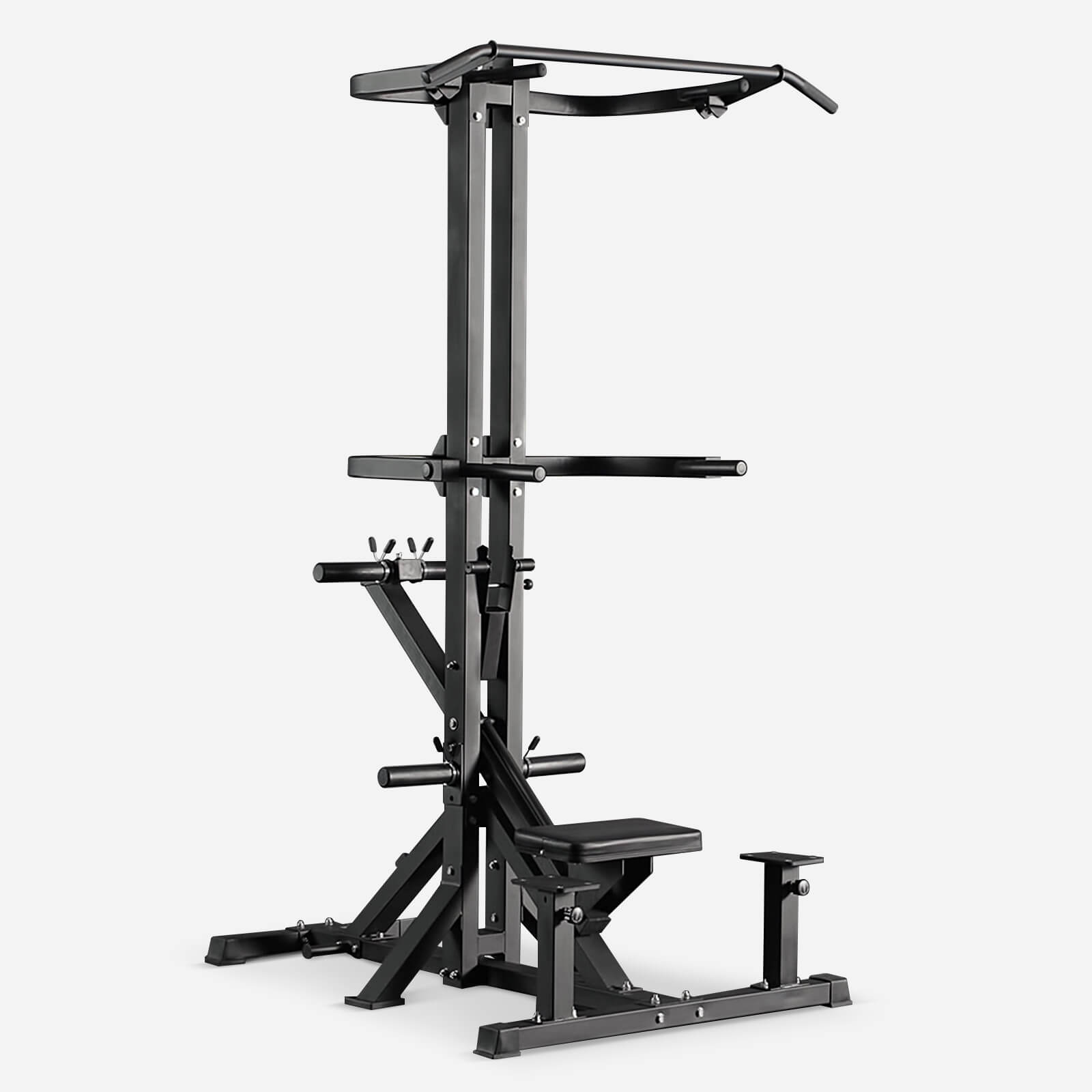


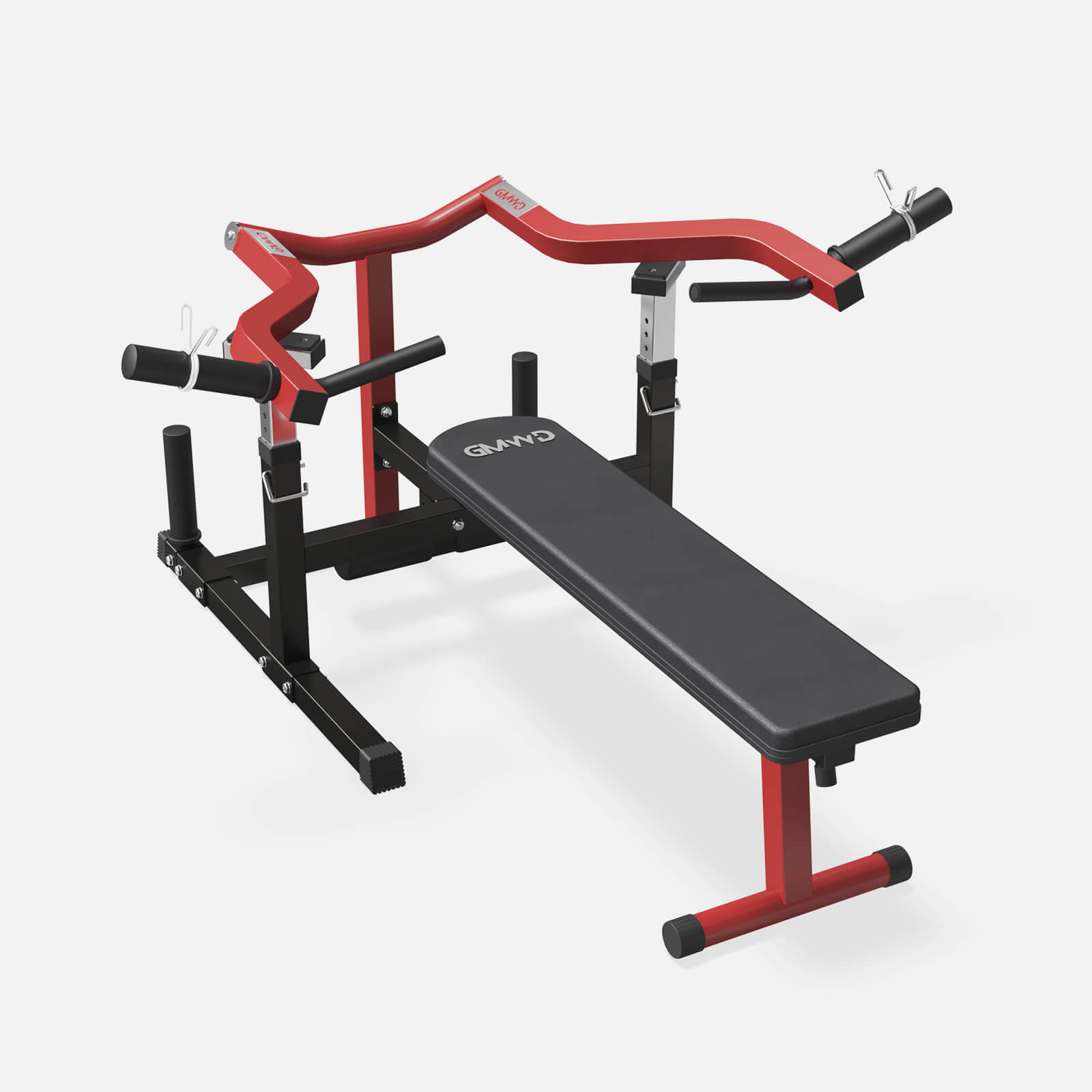
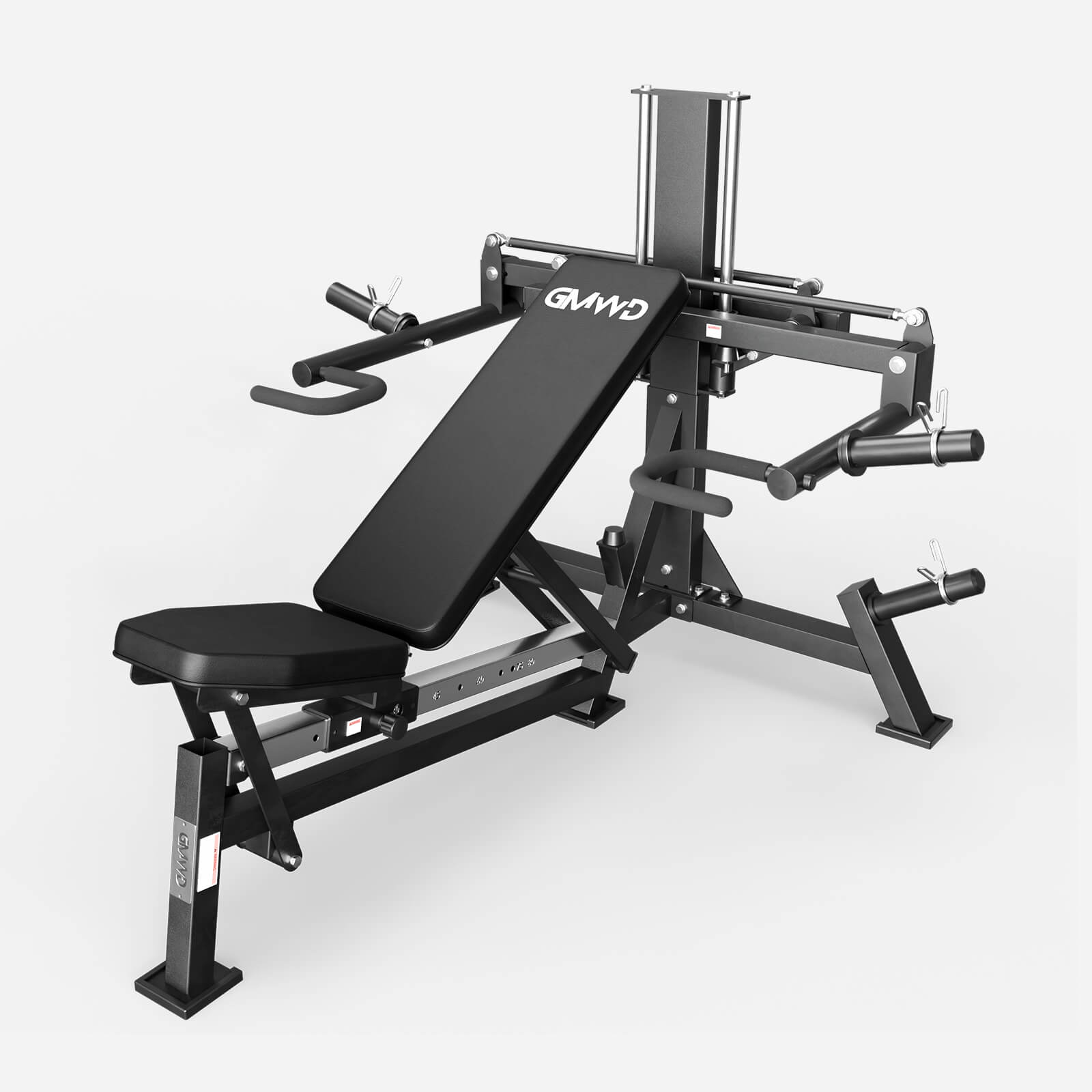


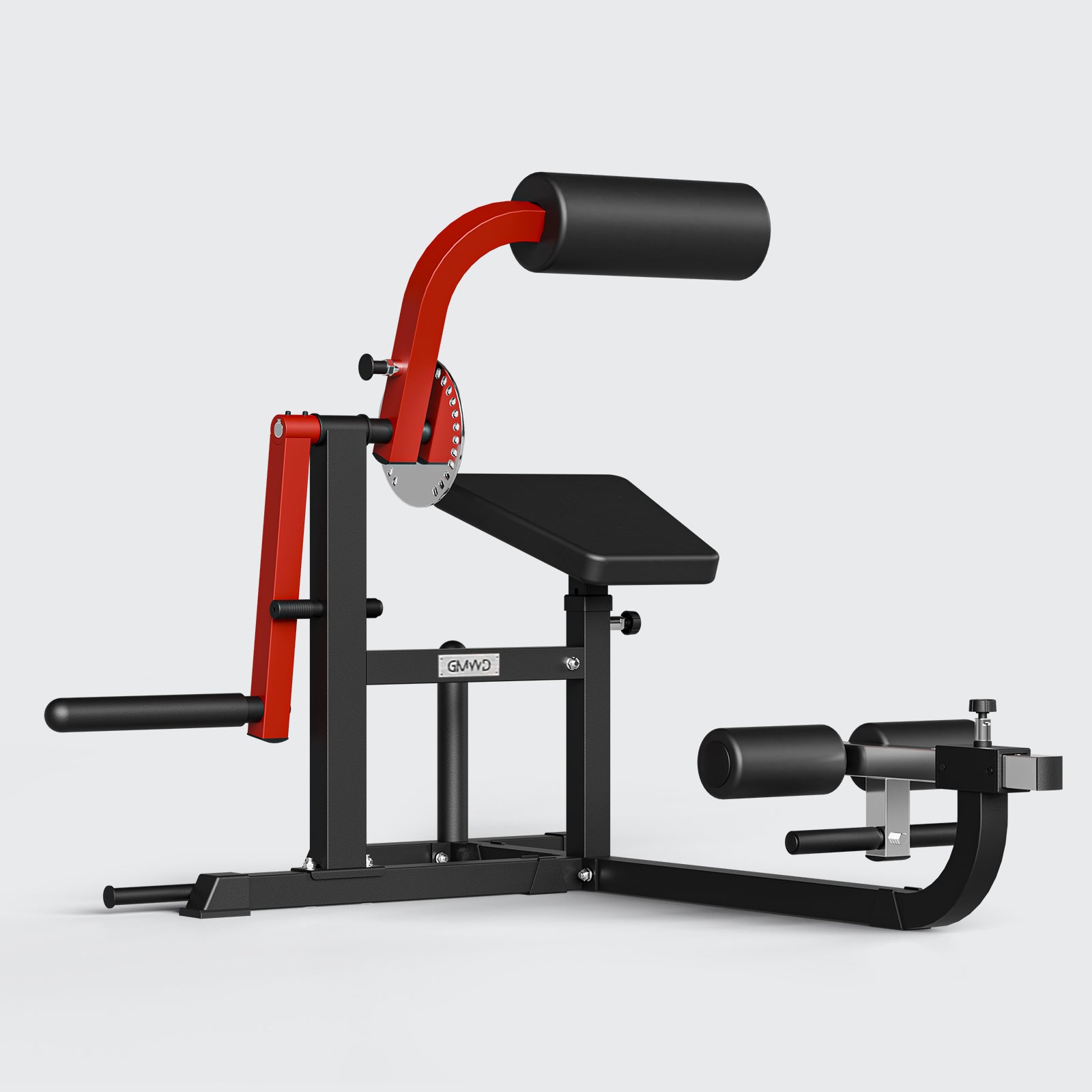
Tired of gym commutes, crowded equipment, and monthly fees? A home gym could be your answer. Here’s the benefits of having a home gym:
-
Saves time: No travel or waiting for equipment. Work out anytime.
-
Cost-effective: A one-time investment replaces recurring fees.
-
Flexible: Exercise on your own schedule, freely.
-
Private & Comfortable: Your personal space, without distractions or judgment.
-
Clean & Safe: Use your own well-maintained equipment.
-
Customizable: Choose gear tailored to your goals.
-
Easier to maintain: Reduces the mental hurdle of “going to the gym.”
-
Family-friendly: Encourages healthy habits together.
Professional Home Gym Setup: A Guide to Goals, Space & Budget
Professional home gyms are built around progressive overload—the core of advanced training. Ditch one-size-fits-all gear; instead, align your setup with specific goals (e.g., powerlifting, bodybuilding, functional fitness) to ensure every piece contributes to measurable gains.
1. Nail Down Your Fitness Goals
-
Powerlifting/Strength Sport: Prioritize equipment for heavy compound lifts—power rack, barbell, bumper plates, and a competition-style bench. Stability and load capacity are non-negotiable.
-
Bodybuilding/Hypertrophy: Focus on gear that enables targeted muscle isolation and volume work—cable machine, adjustable incline/decline bench, dumbbells (80-120lb range), and a landmine attachment.
-
Functional Fitness/CrossTraining: Opt for versatile, high-performance tools—squat rack with pull-up bar, Olympic barbell, medicine balls (20-40lb), kettlebells (35-70lb), and a rowing machine.

-
Endurance/Metabolic Conditioning: Invest in commercial-grade cardio gear—air bike, assault bike, or a treadmill with incline/decline and max speed ≥12mph.
2. Check Your Space
Professional gear requires more space, but strategic planning maximizes functionality. Aim for a minimum 8x10ft area for core lifts; garages, basements, or converted spare rooms are ideal. Key considerations:
-
Ceiling Height: Minimum 8ft for overhead presses/pull-ups; 9ft+ if using a power rack with safety bars.
-
Floor Load Capacity: Garages (concrete) handle 1,000+lb loads; upstairs rooms need 50lb/sqft minimum—reinforce with plywood if needed.
-
Ventilation: Install a high-CFM fan or air conditioning to manage sweat and heat during intense sessions; dehumidifiers prevent equipment rust.
3. Set a Budget You’re Comfortable With
Professional home gyms are an investment, but prioritize durability over cost. Here’s how to allocate budget for long-term use:
-
Intermediate ($1,500-$3,000): Power rack (700lb+ capacity), Olympic barbell (20kg, 1,500lb tensile strength), 310lb bumper plate set, adjustable bench, and a single cable pulley.
-
Advanced ($3,000-$6,000): Add a dual-cable machine, bench, 450lb bumper plates, landmine attachment, kettlebells, and a rowing machine.
-
Elite ($6,000+): Smart power rack (with rep counters/load tracking), cryo-therapy tools, specialty bars (trap bar, safety squat bar), and a treadmill.
The Best Home Gym Equipment for Every User
Professional gear must withstand heavy use and support progressive overload. Below are non-negotiable pieces for each advanced goal, with specs to prioritize:
Strength Training: Build Muscle Without a Gym Membership
-
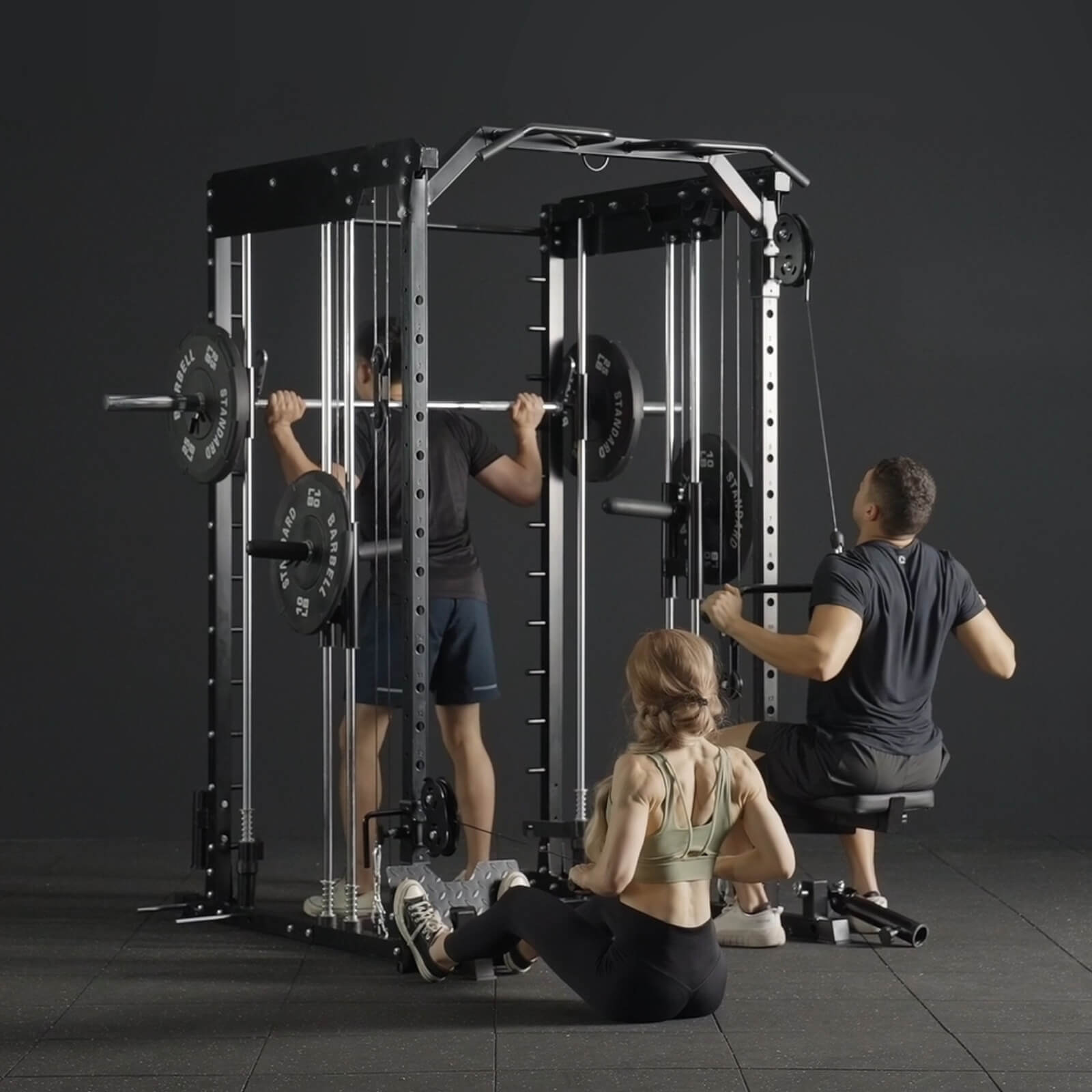
Power Rack: Opt for 2x2in steel tubing (14-gauge), which provides more than enough stability and strength for most home gym setups. With a 700lb+ weight capacity and adjustable safety bars, models like the GMWD smith machine offer reliable, light commercial-grade durability for your workouts.

-
Olympic Barbell: 20kg men’s bar (15kg women’s) with 1,500lb+ tensile strength, 200,000+ cycle fatigue rating, and knurling that balances grip and comfort (avoid aggressive knurling for bodybuilding).

-
Bumper Plates: Virgin rubber (not recycled) to reduce noise; minimum 45lb, 35lb, 25lb, 10lb pairs. Look for IWF-certified plates if training for competitions.
-
Adjustable Bench: Incline/decline capabilities (-15° to 85°), 600lb+ weight capacity, and a 3in thick pad for lumbar support during heavy presses.
Cardio: Burn Calories Without Leaving Home
-
Air Bike/Assault Bike: Fan-driven (no motor) for infinite resistance, steel frame, and a digital monitor tracking watts, calories, and distance.
-
Rowing Machine: Magnetic or water resistance with a PM5 monitor (for accurate split times), aluminum rail, and a 500lb weight capacity. Concept 2 Model D is the gold standard for functional fitness.
-
Commercial Treadmill: 3.0+ CHP motor, max speed ≥12mph, incline/decline (-3° to 15°), and a shock absorption system to protect joints during sprint intervals.
-
Battle Ropes: 1.5-2in diameter, 30-50ft length, and a polyester core (not nylon) for durability. Mount to a wall bracket or power rack for wave, slam, and spiral exercises.
Extras That Make Your Gym More Useful
-
Cable Machine: Dual pulleys (high/low) with 200lb+ weight stacks, adjustable handles, and a swivel hook for unilateral exercises (critical for muscle symmetry).
-
Landmine Attachment: Fits standard Olympic bars for rotational exercises (landmine squats, presses) that reduce joint stress while building core stability.
-
Specialty Bars: Trap bar (hex bar) for deadlifts (reduces lower back strain), safety squat bar (for quad-dominant squats), and a cambered bar (for chest flyes and rows).
-
Kettlebells/Dumbbells: Cast iron kettlebells (35-70lb) for swings and snatches; dumbbells set (80-120lb) like GMWD brand for isolation work (lateral raises, bicep curls).
Frequently Asked Questions
I have a tiny apartment—can I still build a home gym?
Yes—but prioritize compact, high-value gear. Opt for a wall mounted power rack, a short Olympic bar (6ft), and a set of adjustable dumbbells. Use wall-mounted storage racks and foldable benches to free up space.
What’s the first piece of equipment I should buy?
Start with a power rack—it’s the foundation of all compound lifts (squats, deadlifts, overhead presses) and can be expanded with attachments (pull-up bars, landmines) later. If budget is tight, a high-quality Olympic barbell and 310lb bumper plate set are non-negotiable—you can use a sturdy bench (or even the floor) for presses until you add a rack.
How do I clean and maintain my home gym equipment?
-
Barbells/Bumper Plates: Wipe with a microfiber cloth and 3-in-1 oil every 4-6 weeks to prevent rust; avoid harsh cleaners that damage rubber.
-
Cable Machines: Lubricate pulleys monthly with silicone spray; check cable tension quarterly—replace cables if fraying is visible (safety first).
-
Power Rack: Tighten bolts every 8 weeks (vibration loosens them); sand and repaint chipped steel to prevent corrosion.
Is a home gym cheaper than a gym membership?
Absolutely—especially for serious lifters. A commercial gym membership costs $80-$150/month ($960-$1,800/year), plus travel time (1-2 hours/week). A $3,000 home gym pays for itself in 16-31 months, and retains 50-70% of its resale value. For elite lifters, it eliminates wait times for gear (e.g., power racks) that often derail training.
Leave a comment
All comments are moderated before being published.
This site is protected by hCaptcha and the hCaptcha Privacy Policy and Terms of Service apply.